
How to Stabilize a Dog Ramp on Uneven Ground: 7 Easy, Safe Techniques
Introduction
Pet owners often face the challenge of keeping a dog ramp stable when the floor is not perfectly level. An unstable ramp can cause slips, increase joint strain, and reduce confidence in older or injured dogs. This guide explains seven practical techniques that transform any uneven surface into a safe launching pad for your canine companion. By following these steps, one can protect pets, extend the life of the ramp, and maintain a tidy home environment.
What You’ll Need
- Adjustable dog ramp or stairs (e.g., SweetBin Foldable Dog Ramp or Pawaboo Adjustable Dog Ramp)
- Anti‑slip rug grippers (Urdar Brunnr Rug Grippers)
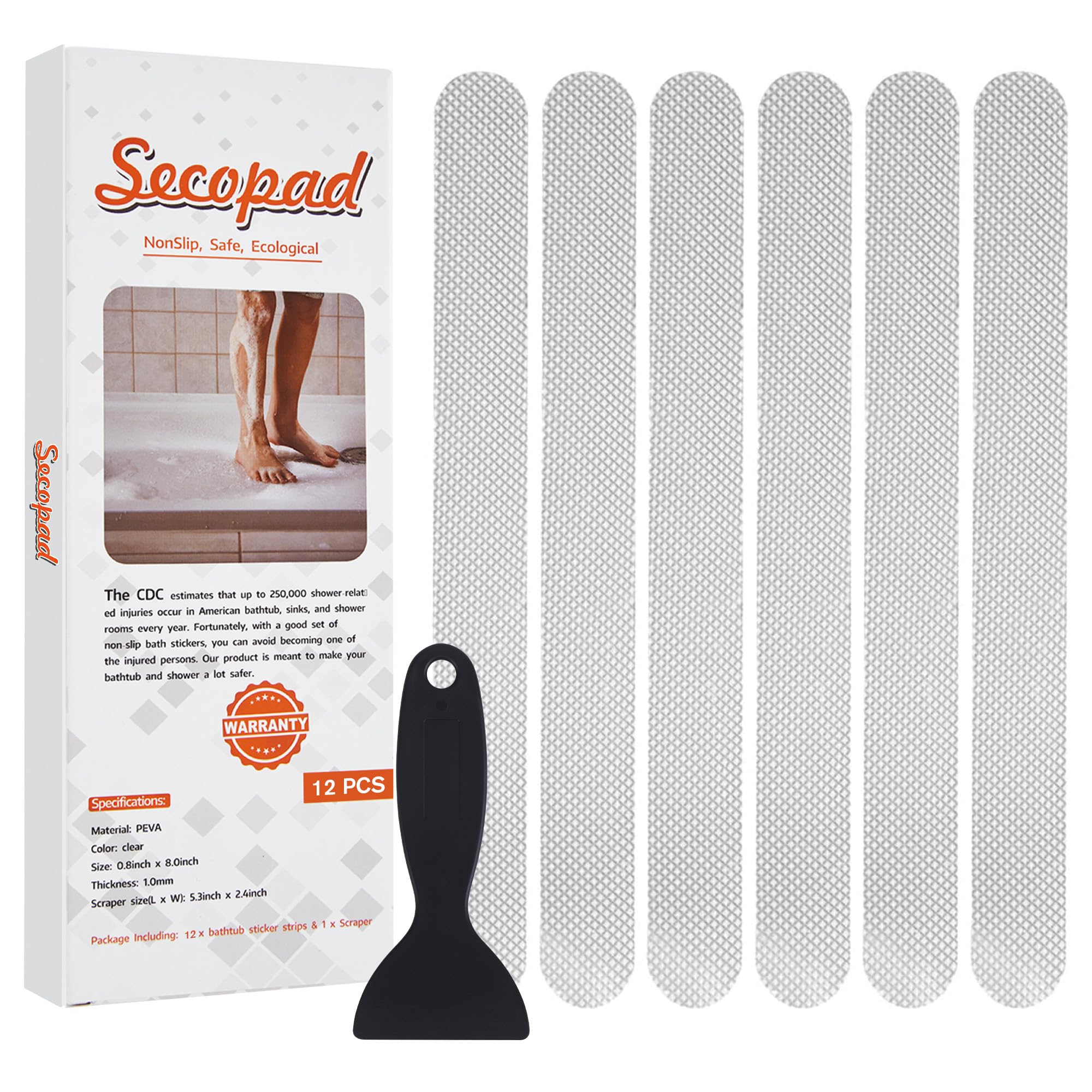
- Non‑slip shower strips for extra traction on smooth surfaces (Secopad Anti‑Slip Shower Strips)
- Portable step stool or small wooden block for height adjustments
- Measuring tape, level, and a pencil for marking
Step 1: Assess the Surface and Measure the Slope
The first step is to determine how uneven the ground truly is. Use a level to identify high points and low points, then measure the distance between them with a tape measure. Document the measurements so that you can select the appropriate height settings on the ramp. Understanding the slope helps you decide whether you need additional support such as grippers or filler blocks.
Step 2: Choose the Correct Height Setting on the Ramp
Both the SweetBin Foldable Dog Ramp and the Pawaboo Adjustable Dog Ramp offer multiple height adjustments. Select a setting that aligns the top of the ramp with the target furniture while minimizing the angle of ascent. A gentler angle reduces joint stress for senior dogs and improves traction. The SweetBin model provides six heights from 12" to 24", supporting dogs up to 200 lb, while the Pawaboo offers four heights up to 21" for lighter breeds.
Step 3: Apply Anti‑Slip Grippers to the Ramp Base
Even a perfectly angled ramp can slide on polished hardwood or tile. Attach Urdar Brunnr Rug Grippers to the bottom of the ramp’s legs. These reusable, dual‑sided strips adhere firmly without damaging the floor and can be cleaned with a damp cloth for long‑term use. Position one gripper at each corner and an additional strip midway along each side for maximum stability.
Step 4: Reinforce the Contact Area with Anti‑Slip Shower Strips
If the ramp will sit on a smooth surface such as a bathroom tile or a laminate floor, supplement the grippers with Secopad Anti‑Slip Shower Strips. Cut the clear strips to fit the width of the ramp’s base and press them firmly onto the floor. The tiny protrusions increase friction while allowing water to drain, preventing mold buildup. This combination creates a non‑slipping foundation even on wet surfaces.
Step 5: Use a Leveling Block or Portable Step Stool for Minor Gaps
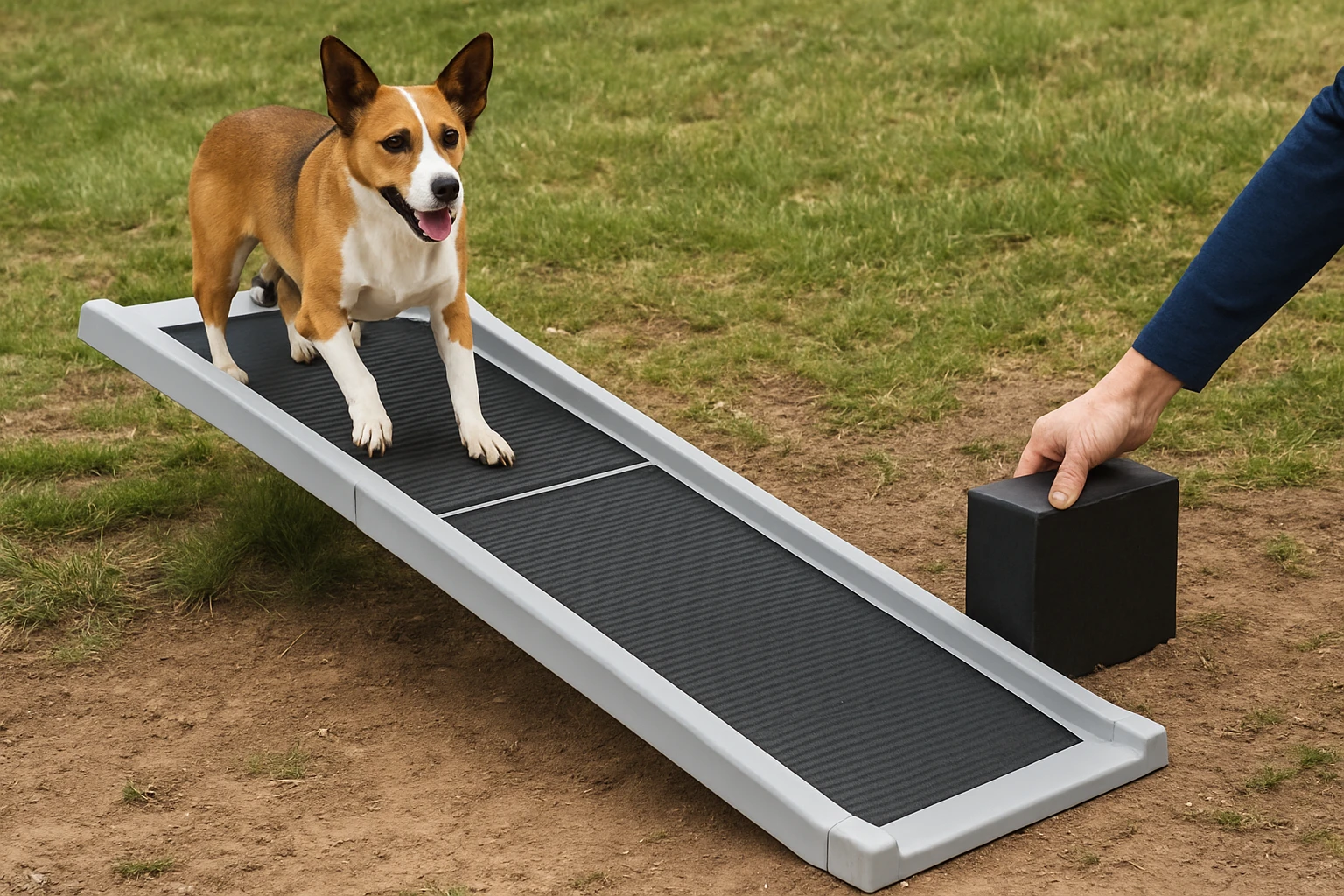
When the floor has a small dip or the furniture leg is lower than the ramp’s base, place a sturdy wooden block or a portable step stool beneath the ramp. Ensure the block is level and stable before securing the ramp. This technique is especially useful with the Ahpmeoa 4‑Step Dog Stairs, which can serve as a filler when the stairs are positioned against a low couch.
Step 6: Secure the Ramp to Furniture Using Adjustable Straps
For permanent setups, fasten the ramp to the furniture using adjustable straps or Velcro ties. Loop the strap around the ramp’s side rail and the furniture leg, then tighten until there is no wobble. This method prevents the ramp from shifting when the dog steps on or off. It is a low‑cost solution that works with any ramp model, including the SweetBin and Pawaboo designs.
Step 7: Test the Stability and Adjust as Needed
After all components are in place, conduct a thorough test. Walk the ramp yourself, then encourage the dog to use it while observing any movement. If the ramp shifts, add additional grippers or reposition the leveling block. Re‑check the level after each adjustment to ensure the angle remains safe. A final inspection guarantees that the ramp will remain steady during daily use.
Tips & Pro Tips
- Place a non‑slip mat on the floor beneath the ramp for extra grip, especially on carpeted surfaces.
- Regularly clean the grippers and shower strips to maintain adhesive strength.
- When traveling, fold the SweetBin or Pawaboo ramp and store the grippers in the accompanying side pocket.
- For outdoor use, consider a rubberized base pad to protect against moisture and temperature changes.
Troubleshooting
Ramp still slides after applying grippers. Verify that the floor is dry and free of dust; clean the surface with a mild cleaner before re‑applying the grippers.
Dog hesitates to use the ramp. Lower the angle by selecting a shorter height setting or adding a leveling block to reduce the slope.
Grippers lose adhesion over time. Remove them, clean with a damp cloth, let dry, and press firmly back onto the ramp legs.
Conclusion
Stabilizing a dog ramp on uneven ground does not require professional carpentry; it only needs a systematic approach and the right tools. By assessing the surface, selecting the proper height, and reinforcing the base with anti‑slip products, one can create a safe pathway for dogs of any size. Implementing these seven techniques will protect pets, extend the ramp’s lifespan, and give owners confidence that their furry friends can access beds, couches, and vehicles without risk.
Products Mentioned in This Guide
Frequently Asked Questions
What are the safest ways to level a dog ramp on a carpeted floor?
Place anti‑slip rug grippers under the ramp’s feet and add a non‑slip shower strip on the ramp surface for extra traction.
Can I use household items instead of commercial grippers to stabilize a ramp?
Yes, sturdy rubber mats, foam wedges, or folded towels can fill gaps, but commercial grippers provide more reliable grip.
How often should I check the ramp’s stability on uneven ground?
Inspect the ramp before each use and re‑tighten any bolts or adjust supports if you notice wobbling or shifting.
Do adjustable dog ramps automatically compensate for uneven surfaces?
Adjustable ramps can be tilted or extended, but you still need to secure the base with grippers or wedges for full stability.
What maintenance steps keep a dog ramp safe on outdoor uneven terrain?
Clean debris, replace worn anti‑slip pads, and regularly check for rust or loose hardware after exposure to weather.