
Introduction
Pet owners increasingly recognize that a safe ascent and descent are essential for the wellbeing of dogs with limited mobility. A ramp that slips or slides can cause joint strain, anxiety, and even injury, particularly for senior or small‑breed dogs. Selecting the appropriate traction material therefore becomes a critical component of a dog ramp’s overall performance.
This article evaluates eleven distinct traction solutions, explaining how each material contributes to stability, comfort, and durability. Throughout the discussion, two highly rated Amazon products are referenced to illustrate real‑world applications of these materials. The goal is to equip readers with the knowledge needed to choose a ramp surface that matches their pet’s specific needs.
1. High‑Density Carpet Tiles
High‑density carpet tiles provide a plush yet firm surface that grips the paws of most dogs without compromising comfort. The material is woven from tightly packed fibers, creating a textured surface that resists slipping on hardwood, tile, or carpeted floors. This type of carpet is especially beneficial for small breeds that lack strong leverage when climbing.
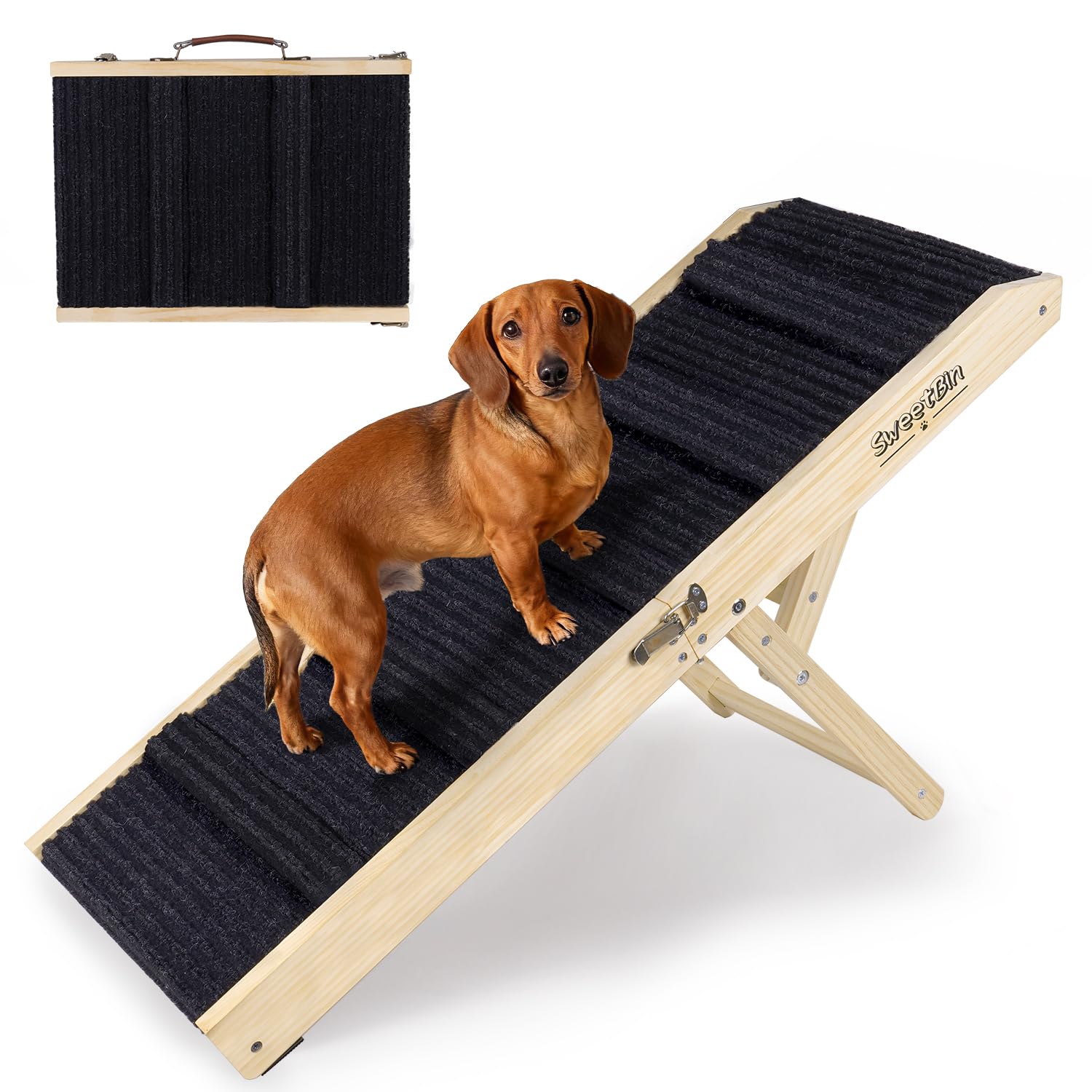
The SweetBin Adjustable Dog Ramp incorporates striped wear‑resistant carpet over its wooden frame, delivering the exact benefits described above. Priced at $53.99, the ramp has earned a 4.3‑star rating from 512 reviewers. One reviewer noted, “The carpet surface feels secure for my tiny terrier, and the ramp does not shift when he walks up and down.”
2. Anti‑Slip Rubber Matting
Rubber matting offers a resilient, low‑maintenance option that adheres well to a variety of floor types. Its natural elasticity absorbs impact while providing a high coefficient of friction, which reduces the likelihood of paw slippage. Rubber is also water‑resistant, making it suitable for outdoor use or damp indoor environments.
Although neither of the featured products uses pure rubber, the concept can be applied by adding a thin rubber overlay to the SweetBin ramp for extra grip in wet conditions. Users often report that a rubber layer extends the lifespan of the carpet by protecting it from wear.
3. Textured Vinyl Flooring
Textured vinyl combines durability with a subtle grip pattern that mimics the feel of natural stone. The material is easy to clean, resistant to stains, and can be trimmed to fit any ramp width. Vinyl’s non‑porous surface also discourages the buildup of allergens, an advantage for households with sensitive pets.
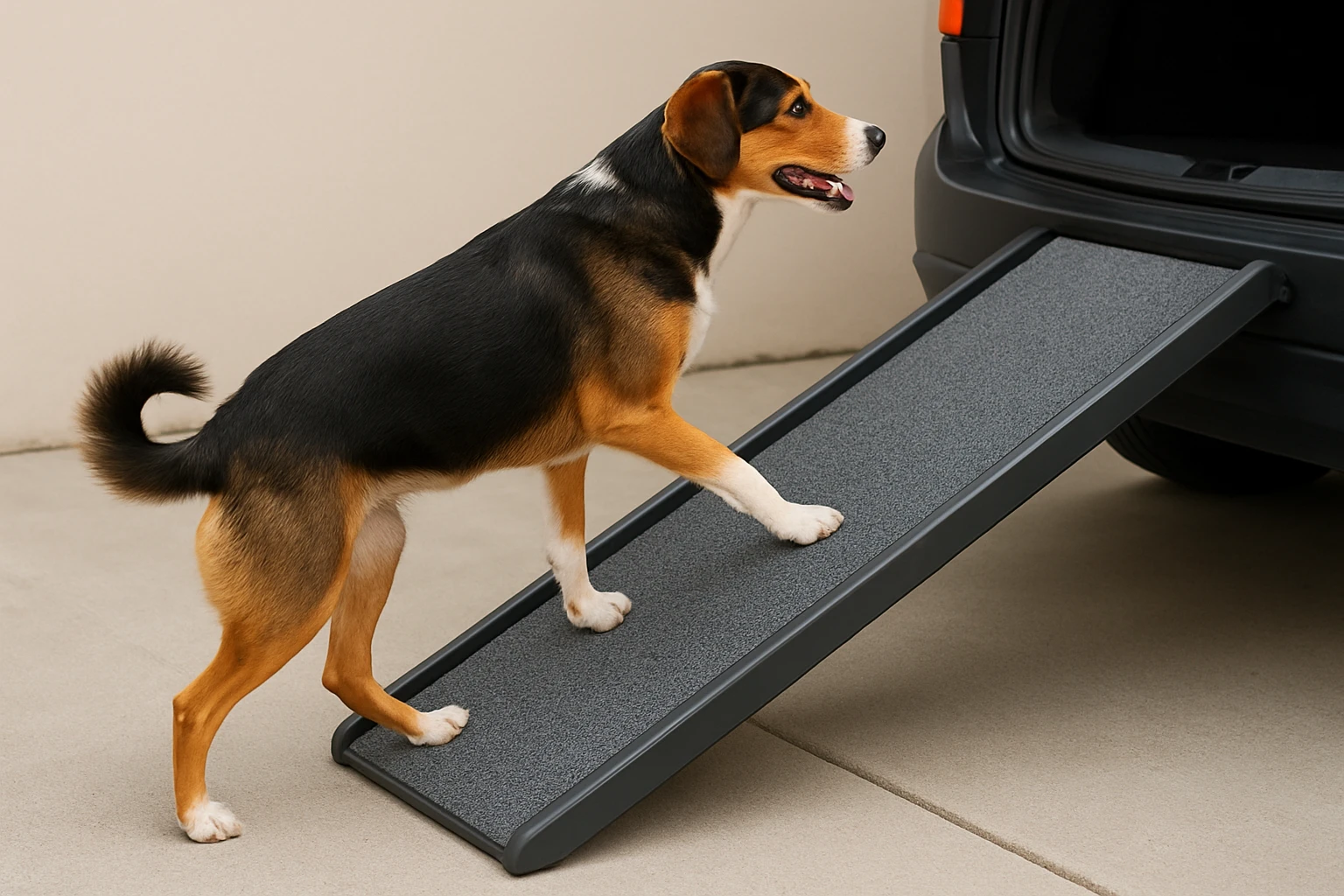
Pet owners who prefer a sleek aesthetic may consider installing a vinyl sheet on the surface of the KUVETO Wooden Dog Ramp. The ramp’s solid wood construction supports a secure attachment of vinyl without warping. At $158.95, the ramp holds a 4.5‑star rating from 286 reviewers, many of whom praise the smooth transition onto the top platform.
4. Micro‑Fiber Suede
Micro‑fiber suede offers a soft, velvety texture that is gentle on sensitive paw pads while still delivering reliable traction. The fine fibers create a high‑density surface that grips even when dust or pet hair accumulates. This material is particularly advantageous for senior dogs with arthritis, as it reduces impact stress.
Owners can enhance the SweetBin ramp by attaching a micro‑fiber suede strip along the edges, guiding the dog’s paws toward the center of the carpeted area. Such an addition improves directional stability without altering the ramp’s foldable design.
5. Non‑Slip Stair Treads
Non‑slip stair treads are pre‑cut, adhesive‑backed strips designed for residential stairs. Their rubberized surface often features a diamond pattern that maximizes friction. Because they are thin, they add minimal height to the ramp while significantly improving grip.
Applying stair treads to the KUVETO ramp’s wooden slats creates a hybrid surface that benefits both large and small dogs. Reviewers of the KUVETO ramp have highlighted the sturdy wood, and the addition of treads would further prevent the occasional slide reported by owners of larger breeds.
6. Sisal Rope Weave
Sisal rope is a natural fiber that can be woven into a tight mesh, providing a rugged yet breathable surface. The texture of sisal offers excellent traction, especially for dogs that love to dig their paws into the material. Additionally, sisal is biodegradable and environmentally friendly.
Pet owners who favor eco‑friendly solutions may wrap sisal rope around the side rails of the SweetBin ramp, creating a tactile guide that encourages proper alignment during ascent. The side handles already facilitate easy transport, and the sisal addition does not interfere with the ramp’s foldability.
7. EVA Foam Overlay
Ethylene‑vinyl acetate (EVA) foam is a lightweight, shock‑absorbing material that can be cut to size and placed on top of existing ramp surfaces. Its closed‑cell structure repels moisture and provides a cushioned walking experience. EVA foam is also easy to clean with a damp cloth.
Adding an EVA foam overlay to the KUVETO ramp’s wooden base would soften the climb for dogs with joint issues. The foam’s thickness can be selected to maintain the ramp’s 20° gentle slope while enhancing comfort.
8. Silicone Grip Pads
Silicone grip pads are thin, flexible sheets that adhere to the underside of a ramp, preventing the entire structure from sliding on smooth floors. The pads feature a patterned surface that maximizes friction without adding bulk. Silicone is also heat‑resistant, making it suitable for use near radiators or heating vents.
Both the SweetBin and KUVETO ramps benefit from silicone pads placed under the base, especially when used on polished tile. Users have reported that the pads keep the ramp stable during rapid movements, reducing the risk of accidental tipping.
9. Coarse Sandpaper Finish
A coarse sandpaper finish applied directly to wooden ramp surfaces creates a gritty texture that grips paws effectively. While this method is more permanent, it can be sanded down or refinished if desired. The abrasive surface is ideal for indoor ramps where aesthetics are secondary to safety.
Owners who prefer a minimalist look may opt to sand the SweetBin ramp’s wooden support beams, creating a uniform traction zone that complements the existing carpet. This approach eliminates the need for additional layers while preserving the ramp’s lightweight nature.
10. Interlocking Plastic Tiles
Interlocking plastic tiles form a modular surface that can be assembled to fit any ramp dimension. The tiles often feature a raised pattern that enhances grip, and their plastic composition resists water, stains, and wear. They can be disassembled for storage, aligning with the portable nature of many dog ramps.
For owners who travel frequently, attaching interlocking tiles to the SweetBin ramp provides a durable, travel‑ready surface that can be removed and reinstalled as needed. The ramp’s compact folded size (12.5" × 16.54") accommodates the tiles without compromising portability.
11. Natural Cork Surface
Cork is a renewable material that offers a slightly cushioned, low‑friction surface. Its porous structure absorbs sound and provides a gentle grip, making it suitable for dogs that are nervous about loud, echoing steps. Cork also has antimicrobial properties, contributing to a healthier environment.
Applying a thin cork sheet to the top platform of the KUVETO ramp creates a quiet, comfortable landing area for dogs that are sensitive to noise. The natural appearance of cork blends well with the ramp’s mahogany finish, enhancing overall aesthetic appeal.
Comparison of Key Features
| Product | Price | Rating | Adjustable Height | Primary Traction Material | Weight Capacity |
|---|---|---|---|---|---|
| SweetBin Adjustable Dog Ramp | $53.99 | 4.3/5 (512 reviews) | 12", 15", 17.6", 20" | Striped wear‑resistant carpet | 60 lbs |
| KUVETO Wooden Dog Ramp | $158.95 | 4.5/5 (286 reviews) | Fixed 20° slope (adjustable via wheels) | High‑density anti‑slip carpet | Up to 120 lbs (estimated) |
Conclusion
Choosing the appropriate traction material for a dog ramp is a matter of balancing safety, comfort, and durability. High‑density carpet, rubber matting, textured vinyl, and the other solutions discussed each address specific concerns such as moisture resistance, ease of cleaning, and environmental impact. By matching a material to the dog’s size, health condition, and living environment, owners can significantly reduce the risk of injury and improve confidence during climbs.
The SweetBin Adjustable Dog Ramp and the KUVETO Wooden Dog Ramp exemplify how thoughtful design and quality traction materials combine to create reliable, user‑friendly products. Whether a pet owner prioritizes portability, aesthetic integration, or maximum grip, the options presented in this article provide a solid foundation for an informed purchase decision.
Frequently Asked Questions
What traction material is best for small‑breed dogs on a ramp?
High‑density carpet tiles are ideal because their plush yet firm fibers grip paws without sacrificing comfort.
Can a non‑slip surface protect senior dogs from joint strain?
Yes, a slip‑resistant material reduces the effort needed to climb, lowering stress on hips and knees.
Are carpet tiles durable enough for outdoor dog ramps?
While carpet tiles excel indoors, they can wear quickly outdoors; choose weather‑resistant options or combine with a waterproof backing.
How do I know if a traction material is safe for hardwood floors?
Look for materials with a textured surface that won’t scratch wood, such as high‑density carpet or rubberized pads.
Do Amazon‑listed traction products require special installation?
Most come with self‑adhesive backing or simple interlocking tiles, allowing quick DIY setup on any ramp.