Introduction
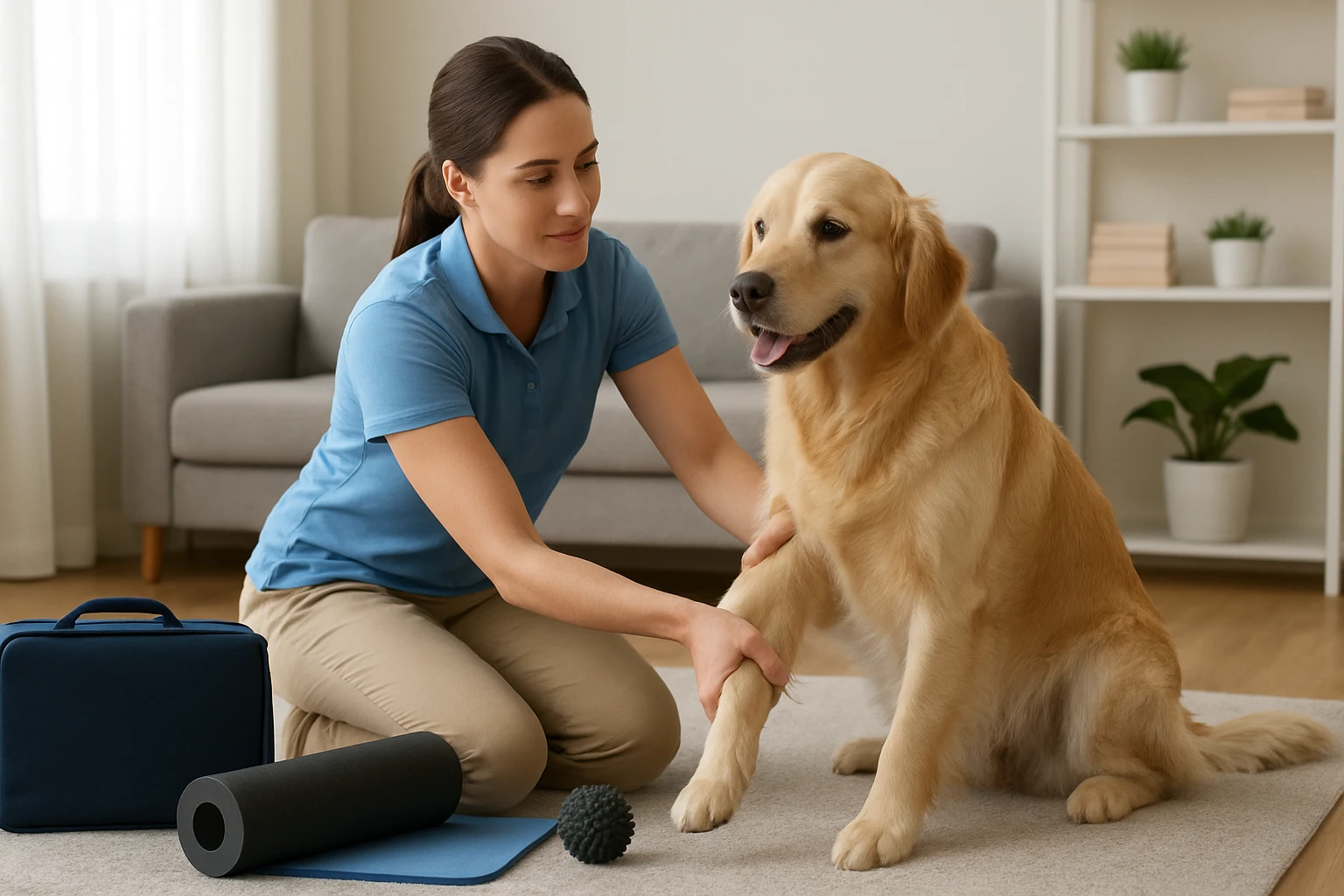
One will find that mobile canine physical therapy has become an essential service for owners of senior, injured, or post‑surgical dogs. This guide explains how to locate qualified providers, what typical fees include, and which at‑home products can enhance professional treatment. Readers will learn the underlying principles of canine rehabilitation, compare popular assistive devices, and receive actionable tips for maintaining progress between visits. By the end of the article, one will possess a clear roadmap for achieving safe, effective recovery for a beloved pet.
Background and Context
Canine physical therapy mirrors human rehabilitation by focusing on pain reduction, joint stability, muscle strengthening, and functional mobility. Veterinarians often recommend a multidisciplinary approach that includes manual therapy, therapeutic exercises, and adjunct modalities such as light therapy or assistive harnesses. Mobile therapists travel to the owner’s residence, reducing stress for dogs that may be anxious in clinic environments. Understanding the core concepts of gait analysis, proprioception, and tissue healing enables owners to ask informed questions and collaborate effectively with the therapist.
Key terminology includes "proprioception" – the sense of body position that is critical for balance – and "rehabilitation protocol" – a structured plan of exercises, modalities, and milestones. One should also recognize the distinction between acute injury management, which emphasizes protection and pain control, and chronic conditioning, which emphasizes strength and endurance.
Key Components of Mobile Canine Physical Therapy
Assessment and Goal Setting
The therapist begins with a thorough physical examination, noting gait abnormalities, range of motion, and pain points. Based on this assessment, realistic short‑term and long‑term goals are established. Common objectives include restoring independent stair navigation, improving post‑operative weight‑bearing, and enhancing core stability.
Therapeutic Modalities
Mobile practitioners often employ a combination of manual therapy, therapeutic exercise, and adjunct devices. Manual techniques may involve massage, joint mobilization, and stretching. Therapeutic exercise includes treadmill walking, underwater treadmill sessions, and balance work. Adjunct devices such as assistive harnesses, light‑therapy pads, and balance discs can amplify the benefits of in‑home practice.
Assistive Devices for Weak Hind Legs
For dogs with compromised rear‑leg strength, a lift harness can provide safe support during transitions such as stair climbing or vehicle entry. The Pick For Life Dog Lift Harness offers adjustable straps, a soft fleece interior, and sturdy oxford outer fabric. With a rating of 4.5 stars from 5,394 reviews, owners praise its durability, ease of use, and comfort for large breeds. The harness supports postoperative rehabilitation for ACL or TPLO procedures and can be washed for hygiene.
Therapeutic Light Therapy for Muscular Recovery
Red and near‑infrared light therapy has been shown to increase cellular metabolism, reduce inflammation, and accelerate tissue repair. The JoyJoint Red Light Therapy Pad delivers 660 nm red and 850 nm infrared wavelengths through 120 LEDs. It provides five brightness levels, a six‑stage timer, and a flexible strap for targeting specific body regions, including a dog’s shoulder or knee. With a 4.5‑star rating from 51 reviews, users note its portability, ease of cleaning, and noticeable improvement in joint comfort after regular sessions.
Balance and Core Strength Training
Proprioceptive platforms challenge a dog’s stability, encouraging activation of deep core muscles. The FitPAWS Dog Balance Disc is an inflatable 14‑inch disc constructed from pet‑safe PVC and includes a hand pump for adjustable firmness. Rated 4.3 stars by 304 reviewers, it is praised for versatility in indoor and outdoor settings, as well as its effectiveness in post‑injury rehabilitation. The disc can be combined with a second unit for larger breeds, creating a full‑body stability platform.
Comparison and Selection Guide
| Feature | Pick For Life Dog Lift Harness | JoyJoint Red Light Therapy Pad | FitPAWS Dog Balance Disc |
|---|---|---|---|
| Primary Purpose | Rear‑leg support and lift assistance | Photobiomodulation for pain and tissue healing | Balance, core strength, proprioception |
| Adjustability | Strap length 49‑68 in, multiple sizes | Five brightness levels, six‑stage timer, strap length 35.2 in | Inflation level adjustable with included pump |
| Weight Capacity | Up to 90 lb large dogs | Suitable for humans and dogs up to 150 lb | Up to 70 lb per disc; combine for larger dogs |
| Material | Soft fleece interior, oxford outer fabric | Transparent TPU surface, waterproof | PVC, pet‑safe, easy to clean |
| Price (USD) | 19.99 | 42.99 | 40.95 |
| Average Rating | 4.5/5 (5,394 reviews) | 4.5/5 (51 reviews) | 4.3/5 (304 reviews) |
| Best For | Senior dogs needing lift support | Post‑operative inflammation and chronic joint pain | Rehabilitation of balance deficits and core weakness |
When selecting a product, one should match the device to the dog’s specific limitation. For a dog that cannot rise from a lying position, the lift harness provides immediate functional assistance. For a dog recovering from ACL surgery, red‑light therapy can reduce swelling while the balance disc rebuilds stabilizer muscles. Combining devices under the guidance of a licensed therapist often yields the most comprehensive outcome.
Best Practices and Tips for At‑Home Rehabilitation
- Conduct a brief warm‑up before each session, such as gentle leash walking for five minutes, to increase blood flow.
- Follow the therapist’s prescribed frequency; most protocols recommend short, daily sessions rather than infrequent long sessions.
- Maintain a log of exercises, duration, and observed improvements to share with the mobile therapist during follow‑up visits.
- Ensure the environment is safe: remove slippery rugs, secure cords, and provide a non‑slippery surface for balance work.
- Clean devices after each use according to manufacturer instructions to prevent bacterial growth.
- Gradually increase difficulty; for the Balance Disc, raise inflation level by 10 % each week as the dog demonstrates steadier posture.
- Monitor pain cues such as vocalization, excessive panting, or avoidance behavior, and adjust intensity accordingly.
Frequently Asked Questions
- How much does a mobile canine physical therapist typically charge?
- Fees vary by region, but most providers charge between $80 and $150 per hour, with additional costs for travel distance. Some offer package discounts for multiple weekly visits.
- Is red‑light therapy safe for all dog breeds?
- The JoyJoint Red Light Therapy Pad is safe for most breeds when used as directed. Owners should avoid direct eye exposure and follow the recommended 20‑30 minute session length.
- Can a lift harness replace a wheelchair for a dog with severe hind‑leg weakness?
- A lift harness provides temporary support for transitions and short distances, whereas a wheelchair offers continuous mobility. The choice depends on the dog’s overall condition and therapist recommendation.
- How often should the Balance Disc be used during a rehabilitation program?
- Therapists commonly prescribe 10‑15 minutes of balance work three to four times per week, gradually increasing duration as the dog’s confidence improves.
- What insurance coverage is available for mobile physical therapy?
- Some pet health insurance plans include rehabilitation benefits, but coverage limits and co‑pays differ. Owners should verify policy details before committing to a treatment plan.
- Do I need to purchase all three products to see results?
- Not necessarily. Each device addresses a distinct aspect of recovery. One may begin with the lift harness for immediate support, then add light therapy or balance training as the dog progresses.
Conclusion
Mobile canine physical therapy offers a convenient, stress‑free avenue for delivering professional rehabilitation directly to the home environment. By understanding the core principles of gait analysis, therapeutic modalities, and appropriate assistive devices, one can make informed decisions that accelerate recovery and improve quality of life for senior or injured dogs. Combining skilled therapist visits with targeted at‑home tools such as the Pick For Life Dog Lift Harness, JoyJoint Red Light Therapy Pad, and FitPAWS Dog Balance Disc creates a holistic program that addresses pain, strength, and functional mobility.
Products Featured in This Guide
Pick For Life Dog Lift Harness
Price: $19.99 | Rating: 4.5/5 (5,394 reviews)
Featured because it provides safe, adjustable rear‑leg support for senior or post‑surgical dogs, enabling owners to assist with stair navigation and vehicle entry.
JoyJoint Red Light Therapy Pad
Price: $42.99 | Rating: 4.5/5 (51 reviews)
Featured because its dual‑wavelength red and infrared light reduces inflammation and promotes tissue healing, complementing manual therapy for dogs recovering from joint surgery.
FitPAWS Dog Balance Disc
Price: $40.95 | Rating: 4.3/5 (304 reviews)
Featured because it challenges proprioception and core stability, essential for dogs regaining confidence after neurological injury or orthopedic surgery.