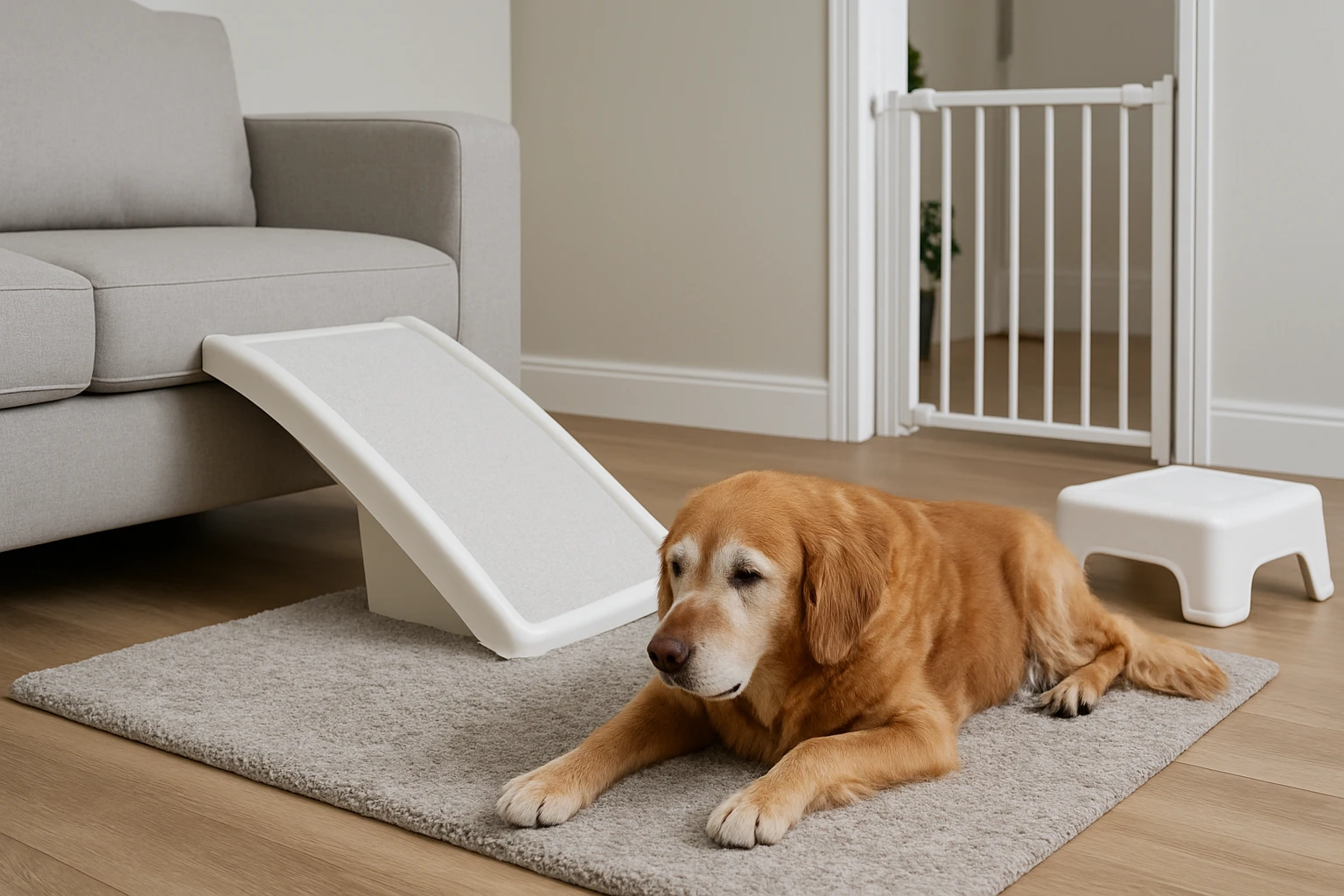
How to Modify Your Home for a Senior Dog with Mobility Issues: Practical, Low‑Cost Solutions to Improve Mobility and Comfort
Introduction
One of the most rewarding responsibilities of a dog owner is ensuring that a senior companion can move safely throughout the home. As dogs age, arthritis, hip dysplasia, and reduced muscle tone often limit their ability to navigate stairs, slippery floors, and high thresholds. This guide will teach readers how to assess problem areas, implement low‑cost modifications, and select tools that enhance comfort without extensive renovations. By following these steps, one can extend a senior dog’s quality of life and maintain a harmonious household.
The recommendations combine practical DIY techniques with carefully chosen products that act as tools rather than focal points. Even if a reader chooses not to purchase any items, the instructions remain valuable because they emphasize simple, affordable changes such as rearranging furniture, adding non‑slip surfaces, and creating supportive resting spots.
What You’ll Need
- Measuring tape to record doorway widths and ramp angles.
- Non‑slip rug or mat for entryways (see BSICPRO Large Dog Door Mat).
- Basic tools: screwdriver, drill, level, and saw (hand or circular).
- Materials for ramps: plywood, anti‑slip tape, and supportive brackets.
- Soft bedding or orthopedic dog bed for resting areas.
- Cleaning supplies: vacuum, mild detergent, and a bucket.
Step‑by‑Step Instructions
Step 1: Conduct a Mobility Audit
Begin by walking the dog through each room while observing hesitation, slipping, or excessive effort. Note high‑traffic zones, staircases, and thresholds that cause the dog to pause. Measure the width of doorways and the height of steps; these dimensions will guide the size of ramps and the placement of non‑slip mats. Document findings in a simple table so that each problem area can be addressed systematically.
Step 2: Install Non‑Slip Flooring in Key Areas
Hardwood and tile can become treacherous for senior dogs because their paws lose traction. Apply anti‑slip tape or low‑pile rugs to hallways, kitchen entryways, and bathroom floors. Choose a rug with a dense, elastic microfiber surface that can trap dirt while providing cushioning. The BSICPRO Large Dog Door Mat excels in this role because its patented non‑slip TPR backing adheres firmly to both tile and wood, preventing accidental slides.
Why this mat is useful: the mat’s wave‑shaped edges create a visual cue that encourages the dog to step onto a defined, safe surface, while the microfiber dirt‑trapper removes mud and debris that could otherwise increase slipping risk. At a price of $39.99 and a rating of 4.3 stars from 314 reviewers, it offers a cost‑effective solution compared with full‑room flooring replacement.
Step 3: Build or Purchase a Ramp for Stairs and Elevated Beds
If the home contains stairs, construct a ramp with a gentle incline of no more than 18 degrees. Use ¾‑inch plywood as the deck, cover it with the same non‑slip material used in Step 2, and secure the ramp with sturdy brackets anchored into the stair risers. Ensure the ramp length is sufficient to achieve the desired incline; a 3‑foot ramp typically works for a standard step height of 6‑8 inches.
For elevated dog beds, a short ramp placed beside the bed allows the senior dog to step up without jumping, reducing strain on the hips and knees. Test the ramp with the dog’s front paws first, then encourage full‑body use with treats.
Step 4: Create a Dedicated Resting Zone
Senior dogs benefit from a low‑profile, orthopedic bed placed on a stable surface away from drafts. Position the bed near a favorite family member to provide companionship while reducing the need for the dog to travel long distances for affection. Add a small, washable blanket that can be laundered regularly to maintain hygiene.
Step 5: Optimize Doorway Entryways
Thresholds can be a major obstacle for dogs with reduced joint flexibility. Replace high thresholds with low‑profile transition strips, or place the BSICPRO Large Dog Door Mat directly in front of the door. The mat’s low pile ensures that doors open and close without catching, while its absorbent fibers quickly dry wet paws, preventing moisture from seeping onto the floor.
Encourage the dog to use the mat by sprinkling a few treats on its surface. Over time, the dog will associate the mat with a clean, safe entry point.
Step 6: Maintain Clean, Dry Surfaces
Regularly shake or vacuum the mat to remove trapped dirt. Because the mat is machine washable, place it in the washing machine on a gentle cycle and air dry to preserve its elasticity. Consistent cleaning prevents buildup of mud that could make the floor slippery for both the dog and household members.
Tips & Pro Tips
- Place night‑lights along hallways to improve visibility for dogs with declining eyesight.
- Use a pet‑friendly, non‑slip adhesive spray on rugs that tend to shift.
- Rotate the mat’s position periodically to distribute wear evenly.
- Apply a thin layer of coconut oil to the dog’s paw pads weekly to maintain softness and reduce cracking.
- Monitor the dog’s weight; a healthy weight reduces stress on joints and improves the effectiveness of ramps and mats.
Troubleshooting
Problem: The dog still slips on the mat.
Solution: Verify that the TPR backing is fully adhered to the floor. If the surface is polished, clean it with an alcohol wipe before repositioning the mat. Adding a thin strip of anti‑slip tape underneath can provide extra grip.
Problem: The ramp feels unstable.
Solution: Reinforce the brackets with additional screws and ensure the ramp is level using a carpenter’s level. A wobbling ramp can deter the dog from using it.
Conclusion
By conducting a mobility audit, installing non‑slip surfaces such as the BSICPRO Large Dog Door Mat, building gentle ramps, and creating comfortable resting zones, one can dramatically improve a senior dog’s ability to navigate the home. These low‑cost modifications are straightforward to implement and can extend the dog’s active years while preserving household safety. One should regularly reassess the environment as the dog ages, adjusting ramps, mats, and bedding as needed.
Products Mentioned in This Guide
Frequently Asked Questions
What low‑cost modifications can help a senior dog navigate stairs safely?
Install a short, non‑slip ramp or add textured stair treads to provide traction and reduce joint strain.
How can I prevent my senior dog from slipping on hardwood floors?
Place non‑slip rugs or runner mats in high‑traffic areas and use rubber-backed pads under furniture to create stable pathways.
What are the best ways to create comfortable resting spots for an older dog?
Use orthopedic foam beds on the floor, elevate them slightly with a low platform, and add washable, supportive blankets.
How do I measure doorway widths and ramp angles for a senior dog’s ramp?
Use a measuring tape to record the doorway width, then calculate a ramp angle of 10‑12 degrees (1‑inch rise per foot of length) for a gentle slope.
Can rearranging furniture improve mobility for a senior dog?
Yes, clearing clutter and positioning furniture to create wide, unobstructed pathways reduces the risk of trips and makes navigation easier.