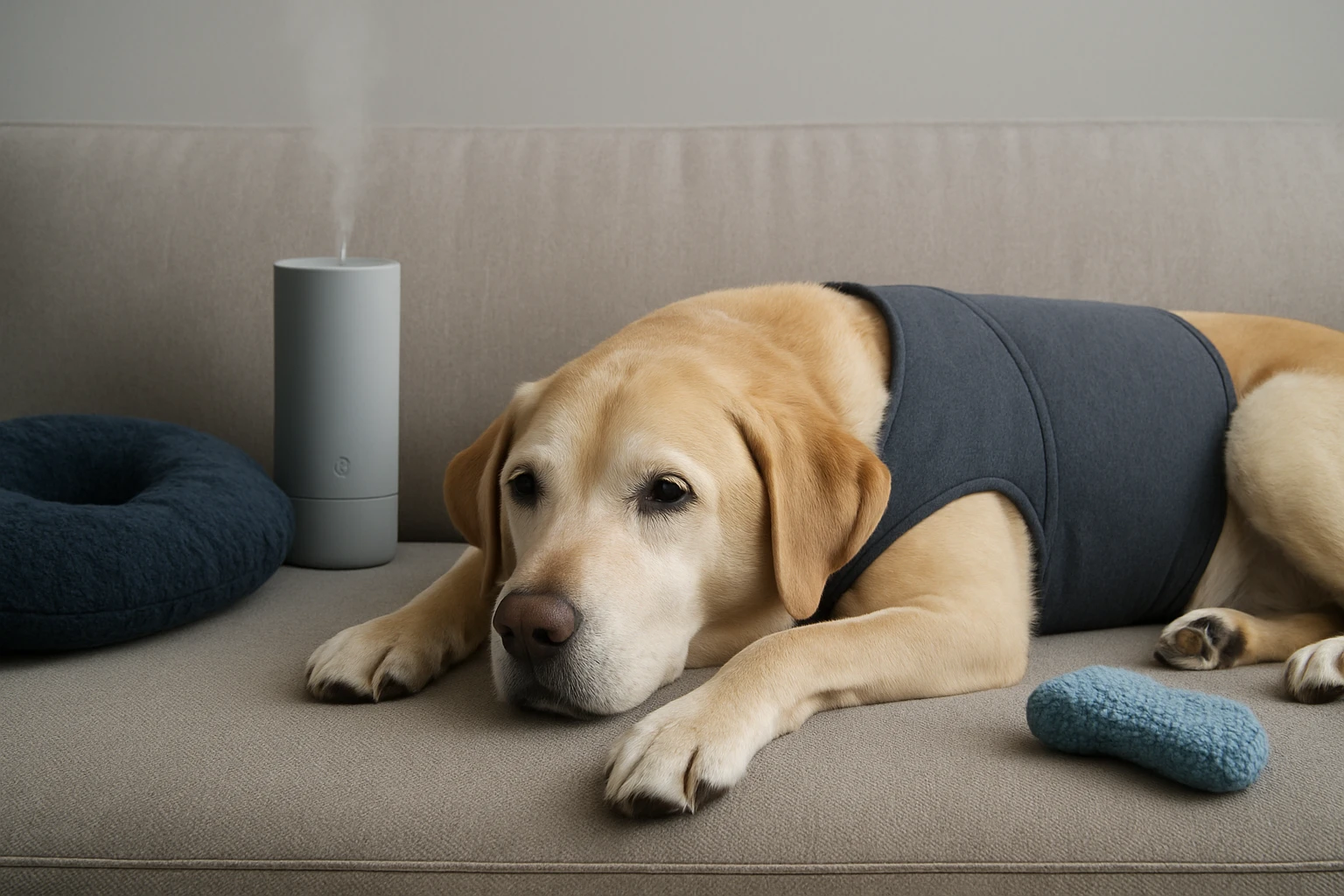
How to Calm Separation Anxiety in Senior Dogs: A Complete Guide to the Best Calming Gear
Introduction
Separation anxiety affects many senior dogs, causing distress when owners depart the home. This guide explains the physiological basis of anxiety, outlines evidence‑based strategies, and recommends two highly rated products that can enhance calmness. Readers will learn how to assess anxiety severity, implement environmental modifications, and select the most appropriate calming gear for their aging companion.
The information presented combines veterinary insights with practical recommendations. It is designed for dog owners, caregivers, and professionals who seek a balanced approach that integrates behavior modification, routine management, and targeted products.
Background and Context
Senior dogs experience age‑related changes in cognition, sensory perception, and metabolism. These changes can amplify feelings of insecurity, especially when a familiar person leaves the household. Anxiety manifests as excessive barking, destructive chewing, house‑soiling, or pacing. The underlying neurochemical pathways involve reduced serotonin and elevated cortisol, which can be moderated through pheromonal therapy, nutraceuticals, and consistent routines.
Understanding the difference between normal age‑related restlessness and clinical separation anxiety is essential. Veterinary assessment should rule out medical conditions such as pain, vision loss, or endocrine disorders that may mimic anxiety symptoms.
Key Strategies for Managing Separation Anxiety
Effective management requires a multi‑modal plan. The following sections describe core concepts, each supported by actionable steps.
1. Establish Predictable Routines
Dogs thrive on predictability. Owners should create a consistent schedule for feeding, walks, and departure cues. A brief pre‑departure ritual, such as a calm greeting and a specific phrase, signals that the upcoming separation is temporary.
Gradual desensitization involves leaving the house for increasingly longer intervals while rewarding calm behavior. This technique reduces the emotional intensity associated with departures.
2. Create a Safe and Enriching Environment
Designating a quiet area equipped with a comfortable bed, familiar scents, and low‑level background noise can soothe a senior dog. Puzzle toys and slow‑feed bowls provide mental stimulation, reducing the urge to engage in destructive behaviors.
When possible, leave a piece of clothing that carries the owner’s scent. The familiar odor can act as a reassuring cue during periods of solitude.
3. Utilize Pheromone Diffusers
Dog‑appeasing pheromones mimic the natural calming signals emitted by a mother dog. The TheraPet MD Dog Calming Diffuser Kit combines mother‑comfort and territorial‑peace pheromones in a medical‑grade formula. It provides continuous diffusion for up to 60 days per refill, covering an area of approximately 700 square feet.
Key specifications include a low‑glow indicator light, whisper‑quiet operation, and a plug‑and‑play design that requires no daily maintenance. The product holds a rating of 3.7 out of 5 stars based on 4,397 reviews, and it is priced at $33.99.
Veterinarians recommend using the diffuser in the room where the senior dog spends most of its time. Monitoring the dog’s response during the first 24 hours is essential, especially for dogs with a history of seizures or neurological conditions, as the product advises caution.
4. Incorporate Calming Chews
Oral nutraceuticals can complement environmental strategies. The BARK&SPARK Calming Chews for Dogs contain hemp oil and melatonin, ingredients known to promote relaxation without inducing sedation. Each chew is formulated for all‑size dogs and is marketed as a travel‑friendly, tasty alternative to pills.
These chews have a rating of 4.4 out of 5 stars from 4,631 reviews and are priced at $12.97. The manufacturer offers a 90‑day guarantee, emphasizing confidence in product efficacy.
For senior dogs, a daily chew administered 30 minutes before the expected separation can help lower cortisol levels and support a calmer demeanor.
Comparison and Selection Guide
The following table compares the two featured products across critical dimensions. Selecting the appropriate gear depends on the dog’s specific needs, owner preferences, and any contraindications.
| Feature | TheraPet MD Dog Calming Diffuser Kit | BARK&SPARK Calming Chews for Dogs |
|---|---|---|
| Primary Mechanism | Pheromone diffusion (maternal and territorial signals) | Hemp oil + melatonin (nutraceutical relaxation) |
| Duration of Effect | Continuous diffusion for up to 60 days per refill | Approximately 4–6 hours per chew |
| Application Method | Plug‑in diffuser placed in living area | Oral chew given with food |
| Price (USD) | $33.99 (includes 60‑day refill) | $12.97 (30‑count bottle) |
| Average Rating | 3.7 / 5 (4,397 reviews) | 4.4 / 5 (4,631 reviews) |
| Safety Considerations | Not recommended for dogs with seizure history | Generally safe; monitor for hemp sensitivity |
Owners of senior dogs with a history of neurological issues may prefer the diffuser, provided they observe the manufacturer’s cautionary notes. Conversely, dogs that respond well to oral supplements may benefit more from the chews, especially during acute stress events such as fireworks.
Best Practices and Tips
- Conduct a baseline behavior log for at least one week before introducing any product. Note barking frequency, pacing episodes, and house‑soiling incidents.
- Introduce the diffuser in a low‑traffic area first, then gradually relocate it to the dog’s preferred resting spot.
- Administer chews at the same time each day to establish a predictable routine. Avoid exceeding the recommended dosage.
- Combine product use with short departure drills. Begin with five‑minute absences and increase duration as the dog demonstrates calmness.
- Provide enrichment toys that dispense treats slowly, keeping the senior dog occupied while the owner is away.
- Maintain regular veterinary check‑ups to rule out pain or sensory deficits that could exacerbate anxiety.
- Consider a calming music playlist designed for dogs; low‑frequency classical pieces can further reduce cortisol spikes.
Consistency is the cornerstone of success. Owners should avoid abrupt changes in feeding schedules, exercise intensity, or household layout, as these can trigger new stressors.
Frequently Asked Questions
- Can pheromone diffusers replace medication? Pheromone diffusers can reduce mild to moderate anxiety, but they do not substitute prescription medication for severe cases. Consultation with a veterinarian is advisable.
- How long does it take to see results from the diffuser? Most dogs exhibit a noticeable reduction in anxiety behaviors within 24 to 48 hours, although full efficacy may require up to one week of continuous use.
- Are hemp‑based chews legal in all states? Hemp‑derived products containing less than 0.3% THC are federally legal in the United States and are permitted on the Amazon marketplace.
- What is the recommended dosage for senior dogs? The manufacturer suggests one chew per day for dogs weighing up to 25 pounds, and two chews for larger dogs. Always follow the label instructions.
- Can the diffuser be used in multiple rooms? The diffuser is designed for a single location covering up to 700 square feet. For larger homes, additional units may be purchased, but each unit should be spaced at least 10 feet apart to avoid overlapping pheromone concentrations.
- Is there a risk of dependency on calming chews? The chews are formulated with natural ingredients and are not habit‑forming. However, they should be used as part of a broader behavior‑modification plan rather than as the sole solution.
- What should owners do if their senior dog shows no improvement? If anxiety persists after two weeks of consistent product use and behavioral training, a veterinary professional should evaluate the need for additional interventions.
Conclusion
Separation anxiety in senior dogs can be mitigated through a structured routine, environmental enrichment, and targeted calming gear. The TheraPet MD Dog Calming Diffuser Kit offers continuous pheromonal support, while the BARK&SPARK Calming Chews for Dogs provide a convenient oral supplement. By applying the strategies outlined in this guide, owners can foster a calmer, more confident environment for their aging companions.
Products Featured in This Guide
TheraPet MD Dog Calming Diffuser Kit
Price: $33.99
Rating: 3.7 out of 5 stars (4,397 reviews)
Featured because it delivers a dual‑pheromone blend that continuously calms senior dogs for up to 60 days, addressing stress‑related barking, peeing, and separation anxiety.
BARK&SPARK Calming Chews for Dogs
Price: $12.97
Rating: 4.4 out of 5 stars (4,631 reviews)
Featured because it combines hemp oil and melatonin in a tasty chew, offering a portable, oral solution for acute anxiety episodes in senior dogs.