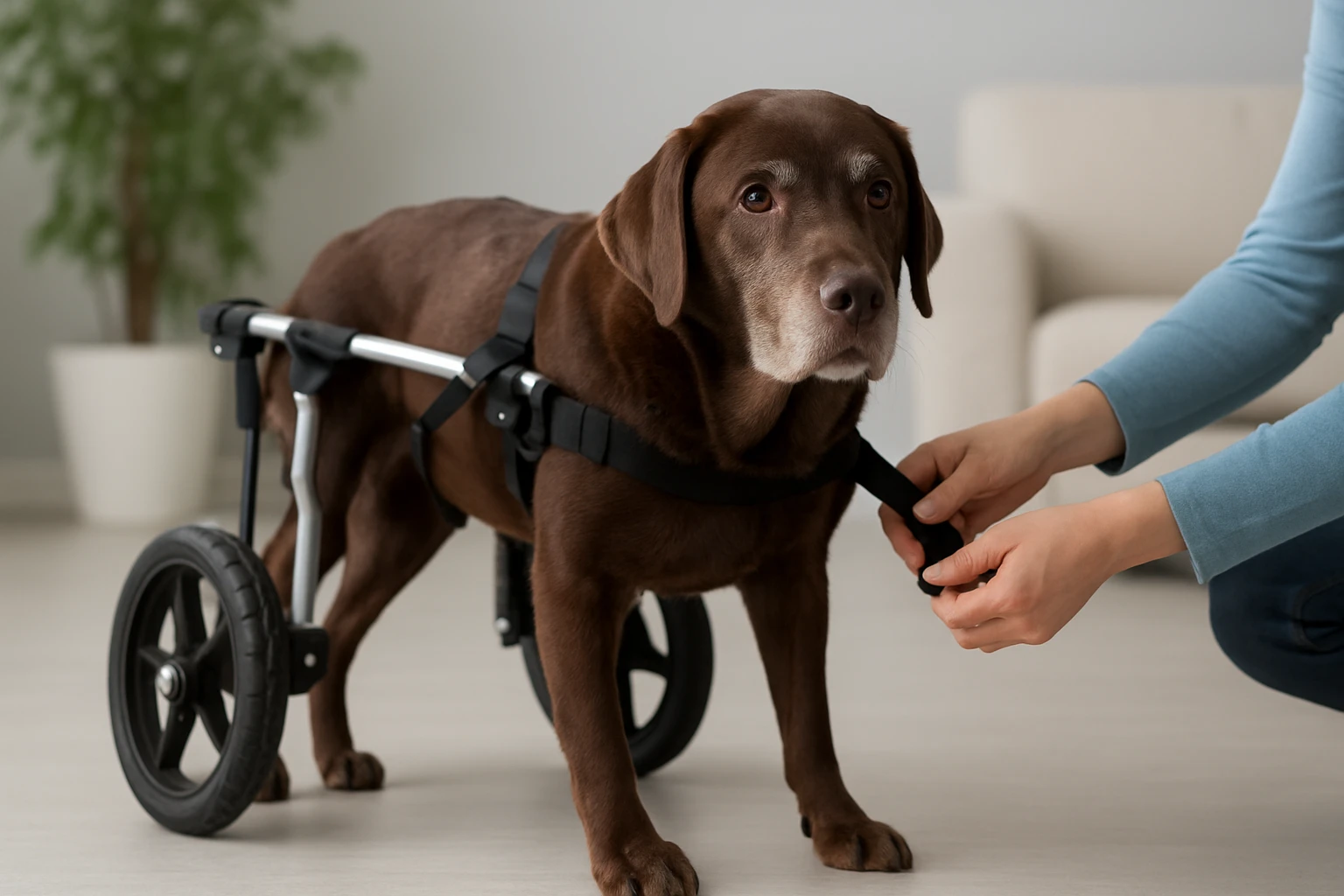
Does Pet Insurance Cover Mobility Aids for Dogs? The Ultimate Guide to Coverage, Costs, and Claims
Introduction
Pet owners increasingly face decisions about mobility assistance for dogs with arthritis, post‑surgical recovery, or congenital hind‑leg weakness. This guide explains how pet insurance policies treat such aids, what expenses you can expect, and how to navigate the claims process efficiently. Readers will gain a clear understanding of eligibility criteria, reimbursement percentages, and practical product recommendations that align with typical policy terms. By the end of the article, you will be equipped to make informed financial and therapeutic choices for your canine companion.
Background and Context
Mobility aids for dogs range from supportive wheelchairs to lift harnesses designed to reduce strain on weakened hind limbs. Insurance companies categorize these items under "medical equipment" or "rehabilitation supplies," and coverage varies by provider, plan level, and pre‑existing condition clauses. Most policies require a veterinarian’s diagnosis and a written prescription before approving any reimbursement. Understanding the distinction between optional wellness add‑ons and core medical coverage is essential for realistic budgeting.
In the United States, the pet insurance market is dominated by providers such as Healthy Paws, Trupanion, and Nationwide. While all three offer accident‑only, illness, and comprehensive plans, only comprehensive plans typically include reimbursement for orthopaedic devices. Additionally, many insurers impose a maximum annual limit for equipment, often ranging from $200 to $1,000. Knowing these limits helps you select products that fit within the allowable reimbursement range.
Key Concepts and Coverage Categories
Before filing a claim, familiarize yourself with the following concepts:
- Veterinary Prescription Requirement: A signed prescription or detailed treatment plan from a licensed veterinarian is mandatory for most insurers.
- Pre‑Existing Condition Exclusion: If the mobility issue existed before the policy start date, coverage may be denied.
- Reimbursement Percentage: Policies typically reimburse 70‑90% of the eligible expense after the deductible is met.
- Annual Equipment Cap: The maximum amount an insurer will pay for mobility aids in a policy year.
These factors interact to determine the final out‑of‑pocket cost for owners seeking devices such as wheelchairs or lift harnesses.
Recommended Mobility Aids and Their Insurance Relevance
When a veterinarian recommends a specific device, it is prudent to choose a product that balances durability, comfort, and price. Below are four highly rated options that meet the criteria of most insurance providers.
The first product, PLGP Dog Wheelchair, offers a lightweight aluminium frame, breathable mesh harness, and tool‑free assembly. Priced at $57.74 with a 4‑star rating from nine reviews, it is an affordable choice for small dogs or cats requiring hind‑leg support. Its veterinary‑recommended design often satisfies the prescription requirement for insurance claims.
For owners of larger breeds, the Pick for Life Adjustable Dog Lift Harness provides soft fleece padding, adjustable straps ranging from 49‑68 inches, and a sturdy oxford outer layer. At $15.29 and a 4.5‑star rating from over 5,000 reviews, it is a cost‑effective solution for post‑operative rehabilitation and daily assistance.
The Sunsleek Dog Lift Harness includes faux rabbit‑fur padding, reflective nylon straps, and a portable carry bag. With a price of $19.99, a 4.4‑star rating from 304 reviews, and a design that supports a wide range of breeds, it is well suited for owners seeking a portable, comfort‑focused sling.
Finally, the Coodeo Dog Lift Harness features breathable padded straps, a detachable belt, and a washable construction. Priced at $34.99 with a 4.2‑star rating from 6,593 reviews, it offers a professional‑grade option for dogs with arthritis or joint instability.
Comparison and Selection Guide
Choosing the right mobility aid depends on three primary factors: size of the dog, type of impairment, and budget constraints. The table below summarizes the key specifications of the four products.
| Product | Ideal Weight Range | Primary Use | Price | Rating |
|---|---|---|---|---|
| PLGP Dog Wheelchair | Up to 25 lbs | Hind‑leg support for small dogs/cats | $57.74 | 4/5 |
| Pick for Life Adjustable Dog Lift Harness | 30‑100 lbs | Rear‑leg lift and post‑surgery rehab | $15.29 | 4.5/5 |
| Sunsleek Dog Lift Harness | 25‑90 lbs | Portable sling for senior dogs | $19.99 | 4.4/5 |
| Coodeo Dog Lift Harness | 20‑80 lbs | Stabilization for arthritis and joint injuries | $34.99 | 4.2/5 |
For a small terrier recovering from hip dysplasia, the PLPG wheelchair offers a structured frame that meets most insurers' equipment criteria. For a large Labrador that needs occasional assistance climbing stairs, the Pick for Life harness provides a low‑cost, adjustable solution that easily fits within typical annual caps. Owners seeking a balance between portability and comfort may prefer the Sunsleek harness, while the Coodeo model excels for dogs requiring prolonged wear due to chronic joint disease.
Best Practices & Tips for Successful Claims
- Obtain a Detailed Veterinary Prescription: Ensure the document lists the specific product name, model number, and intended therapeutic purpose.
- Document All Receipts: Keep original invoices, shipping confirmations, and any warranty paperwork. Digital copies uploaded to the insurer’s portal reduce processing delays.
- Submit Before the Annual Equipment Cap Is Reached: Track your cumulative equipment expenses throughout the policy year to avoid unexpected out‑of‑pocket costs.
- Use Pre‑Authorized Vendors When Possible: Some insurers maintain a list of approved medical suppliers; purchasing from these sources can streamline approval.
- Follow Up Promptly: If the insurer requests additional information, provide it within the stipulated timeframe to prevent claim denial.
Applying these steps consistently increases the likelihood of full reimbursement and minimizes administrative frustration. Remember that each insurer’s portal may have unique upload requirements, so familiarize yourself with the specific workflow early in the process.
Frequently Asked Questions
1. Does pet insurance cover wheelchairs for dogs?
Most comprehensive policies cover wheelchairs when a veterinarian prescribes them for a medically diagnosed condition such as arthritis, hip dysplasia, or post‑surgical recovery. Coverage is subject to the policy’s equipment cap and any applicable deductible.
2. Can I be reimbursed for a lift harness?
Yes, lift harnesses are typically classified as rehabilitation equipment. A written prescription and proof of purchase are required, and the reimbursement amount follows the policy’s percentage rate.
3. What if my dog’s condition existed before I bought insurance?
Pre‑existing conditions are generally excluded from coverage. However, if the condition worsens or a new injury occurs after the policy start date, the new diagnosis may be eligible for reimbursement.
4. How long does a claim take to process?
Processing times vary but most insurers complete review within 7‑14 business days once all documentation is submitted. Claims with incomplete records may experience delays.
5. Are there any hidden fees when purchasing mobility aids?
Shipping costs, optional accessories, and taxes are not covered unless explicitly listed in the prescription. It is advisable to request a cost breakdown from the vendor before purchase.
6. Can I combine multiple devices in one claim?
Yes, provided each device is prescribed and the total expense does not exceed the annual equipment limit. Submit separate line items for each product to simplify processing.
7. Do I need to replace the device after a certain period?
Most insurers consider wear‑and‑tear as a valid reason for replacement after the device’s expected lifespan, typically 12‑24 months for high‑use items. A new prescription will be required.
Conclusion
Pet insurance can significantly offset the cost of essential mobility aids, but success depends on clear veterinary documentation, awareness of policy limits, and diligent claim management. By selecting an appropriate device—such as the PLGP Dog Wheelchair for small breeds or the Pick for Life Adjustable Dog Lift Harness for larger dogs—owners can ensure both therapeutic effectiveness and financial feasibility. Implement the best‑practice tips outlined above to maximize reimbursement and keep your canine companion moving confidently.
Products Featured in This Guide
PLGP Dog Wheelchair
Price: $57.74 | Rating: 4/5 (9 reviews)
Featured for its lightweight aluminium frame, breathable mesh harness, and veterinarian‑endorsed design, making it a strong candidate for insurance reimbursement.
Pick for Life Adjustable Dog Lift Harness
Price: $15.29 | Rating: 4.5/5 (5,262 reviews)
Featured for its soft fleece interior, adjustable length, and high durability, offering an affordable lift solution that aligns with most policy equipment caps.
Sunsleek Dog Lift Harness
Price: $19.99 | Rating: 4.4/5 (304 reviews)
Featured for its padded faux rabbit‑fur lining, reflective straps, and portable carry bag, making it ideal for on‑the‑go assistance and insurance eligibility.
Coodeo Dog Lift Harness
Price: $34.99 | Rating: 4.2/5 (6,593 reviews)
Featured for its breathable, washable design and professional‑grade support, suitable for dogs with chronic arthritis and likely to meet insurance documentation standards.