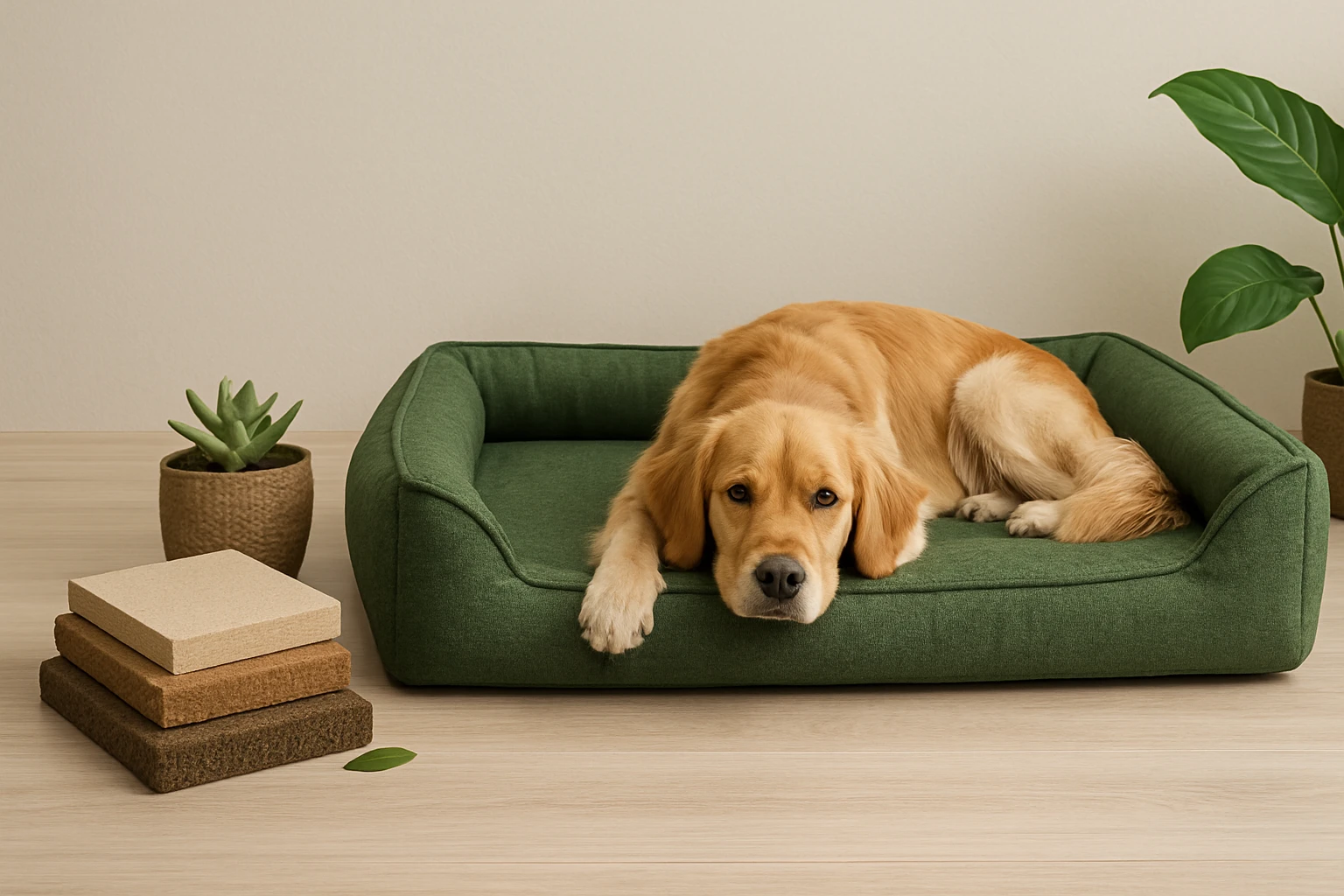
Eco-Friendly Orthogonal Dog Beds: The Ultimate Guide
Introduction
One will learn why sustainability matters when selecting an orthopedic dog bed for a beloved companion. This guide explains the science behind supportive, non‑toxic materials and how they benefit canine health. Readers will discover criteria for evaluating eco‑friendly options and will receive a curated product recommendation that exemplifies these principles. By the end, one will be equipped to make an informed purchase that aligns with environmental values.
Background and Context
Orthopedic dog beds employ foam structures that distribute weight evenly, reducing pressure on joints and spine. Traditional beds often contain polyurethane foams derived from petroleum, which emit volatile organic compounds (VOCs) and are not biodegradable. Eco‑friendly alternatives use plant‑based foams, natural latex, or recycled fibers, minimizing ecological footprints while maintaining durability. Understanding these material differences enables owners to choose a bed that supports both pet wellness and planetary health.
Key Materials in Sustainable Orthopedic Beds
One of the most prevalent eco‑friendly foams is soy‑based polyurethane, which replaces a portion of petroleum‑derived polyols with soy oil. This substitution reduces greenhouse‑gas emissions and improves foam breathability, a crucial factor for temperature regulation. Another option is natural latex harvested from rubber trees; it offers resilient support, antimicrobial properties, and complete biodegradability at the end of its life cycle. Recycled PET fibers, derived from post‑consumer plastic bottles, are frequently blended into cushion covers to enhance structural integrity without sacrificing sustainability.
When evaluating a product, examine certifications such as CertiPUR-US, which verifies low VOC emissions, and the Global Organic Textile Standard (GOTS) for fabric components. Products that display these marks have undergone third‑party testing, providing confidence that the materials are non‑toxic. Additionally, look for removable, machine‑washable covers made from organic cotton or bamboo viscose, as these fabrics reduce chemical usage during production and washing.
Design Features That Enhance Eco‑Friendliness
U‑shaped bolsters, commonly found in premium beds, can be constructed from recycled polyester batting, offering softness while diverting waste from landfills. Non‑slip bottoms made from natural rubber prevent sliding without relying on petroleum‑based silicone. Waterproof liners crafted from TPU (thermoplastic polyurethane) derived from plant sources protect the interior foam while remaining recyclable. Each of these design choices contributes to a reduced environmental impact without compromising comfort.
Recommended Product: MEKIY Orthopedic Large Dog Bed
The MEKIY Orthopedic Large Dog Bed exemplifies many of the sustainable principles discussed above. It features an orthopedic egg‑crate foam core that supports joints and distributes pressure evenly, suitable for dogs up to 50 pounds. The removable cover is crafted from soft velvet fabric, and the bed includes a waterproof, machine‑washable liner that simplifies maintenance. With a 4.5‑star rating from 3,503 reviewers and a price of $39.99, it provides an affordable entry point into eco‑friendly pet care.
Comparison and Selection Guide
To select the ideal eco‑friendly orthopedic bed, one should assess three primary dimensions: material composition, size suitability, and durability features. First, compare the foam type—soy‑based, natural latex, or recycled PET—against the dog’s weight and age; senior or large dogs benefit most from high‑density, supportive foams. Second, verify dimensions; the MEKIY bed measures 36×27×7 inches, offering ample space for medium to large breeds such as Newfoundlands and Bernards. Third, evaluate durability elements like removable bolsters, non‑slip bases, and waterproof liners, which extend product lifespan and reduce waste.
When budgeting, consider the long‑term cost savings of a washable cover and a resilient foam core that resists sagging. Products with higher initial prices often incorporate certifications and recycled content that justify the expense through reduced environmental impact. By weighing these factors, one can prioritize beds that align with both pet health and sustainability goals.
Best Practices & Tips
- Rotate the bed weekly to prevent uneven wear and maintain foam resilience.
- Use a vacuum cleaner with a HEPA filter to remove pet hair and dust, preserving the bed’s hygienic qualities.
- Place the bed on a non‑slip mat made from natural rubber to enhance stability on hardwood floors.
- When washing the cover, select a cold‑water cycle and an eco‑friendly detergent to minimize chemical runoff.
- Consider adding a breathable mattress protector made from organic cotton for extra protection without compromising sustainability.
Frequently Asked Questions
- Are eco‑friendly orthopedic beds safe for dogs with allergies? Yes, beds that use natural latex, organic cotton, or bamboo fabrics are typically hypoallergenic and free from harsh chemicals.
- How long will a soy‑based foam retain its supportive qualities? High‑quality soy‑based foams can maintain structural integrity for five to seven years under normal use.
- Can I use a regular pet blanket on top of an eco‑friendly bed? Absolutely; a breathable blanket made from recycled fibers adds warmth without reducing the bed’s sustainability profile.
- What is the best way to dispose of the bed at the end of its life? Separate the foam core for recycling where facilities exist, and donate the cover if it remains in good condition.
- Do waterproof liners affect the bed’s eco‑rating? When the liner is produced from plant‑based TPU, it retains a high eco‑rating while providing essential moisture protection.
Conclusion
One now understands the importance of selecting orthopedic dog beds constructed from sustainable, non‑toxic materials. By evaluating foam composition, design features, and certifications, owners can make choices that safeguard canine health and the environment. The MEKIY Orthopedic Large Dog Bed illustrates how affordability, comfort, and eco‑friendly design can coexist. Implementing the best‑practice tips will extend the lifespan of any chosen bed, further reducing waste. Ultimately, a well‑chosen orthopedic bed contributes to a healthier pet and a greener planet.
Products Featured in This Guide
MEKIY Orthopedic Large Dog Bed
Price: $39.99
Rating: 4.5/5 (3,503 reviews)
Featured for its orthopedic egg‑crate foam, removable washable cover, waterproof liner, and affordable price point, making it an exemplary sustainable choice for medium to large dogs.