Introduction
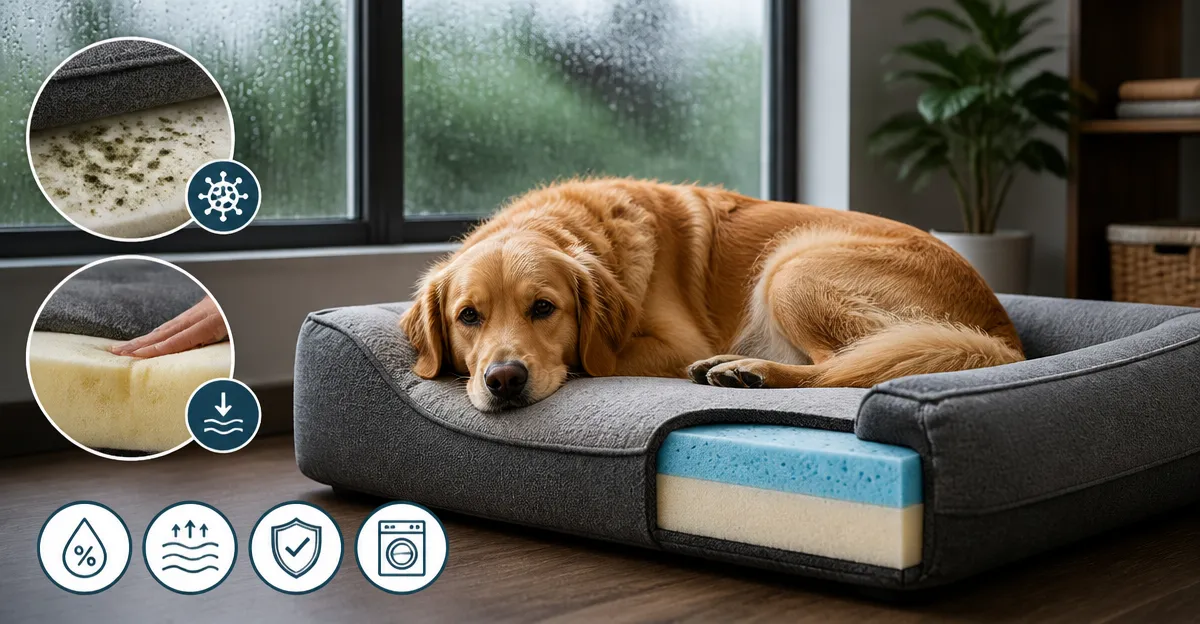
Humidity is an often overlooked environmental factor that can dramatically reduce the useful life of an orthopedic dog bed. This guide explains the scientific relationship between moisture and the materials commonly used in supportive pet beds, and it offers actionable strategies to preserve comfort and hygiene. Readers will learn how to recognise early signs of moisture damage, maintain optimal indoor humidity, and select beds that incorporate moisture‑resistant technologies. By the end of the article, dog owners will be equipped to protect their pets from mold, unpleasant odors, and premature sagging.
Background and Context
Orthopedic dog beds rely on high‑density foams, such as egg‑crate or memory foam, to distribute a pet’s weight evenly and relieve joint pressure. These foams are porous structures that can absorb water vapor when ambient humidity rises above a comfortable threshold, typically 45% relative humidity. When moisture infiltrates the foam, it can weaken cell walls, encourage microbial growth, and cause the material to lose its supportive properties. In addition, fabric covers made from velvet, fleece, or sherpa can retain dampness, leading to odor and skin irritation for the animal.
How Humidity Affects Foam and Fabric
High humidity creates a gradient that drives water molecules into the microscopic pores of foam. Over time, the foam’s elasticity diminishes, resulting in a softer, less supportive surface that no longer cradles a dog’s joints effectively. Simultaneously, the presence of moisture creates an environment conducive to mold and mildew colonies, which appear as dark spots or a musty smell. Fabric covers, especially those without a waterproof barrier, can become saturated, causing the stitching to weaken and the seams to separate.
One mitigation strategy is the incorporation of a waterproof or water‑resistant liner between the foam core and the outer cover. Such liners act as a barrier that prevents liquid water from reaching the foam while still allowing airflow to reduce heat buildup. Another approach is the use of antimicrobial treatments on the fabric, which inhibit the growth of bacteria and fungi even when the surface is damp.
Identifying Early Signs of Moisture Damage
Dog owners should inspect orthopedic beds weekly for subtle changes. First, a visible change in colour, such as yellowing or dark patches, often indicates moisture accumulation. Second, a faint, sour odor that persists after the bed has been aired out is a strong indicator of microbial activity. Third, the bed may develop a noticeable sag in the centre or along the bolsters, suggesting that the foam has lost structural integrity. Finally, the cover may feel unusually heavy or clingy, a sign that it has absorbed water.
When any of these symptoms appear, immediate action is required to prevent further degradation. Removing the cover for washing, allowing the foam to dry completely, and adjusting indoor humidity levels are essential first steps.
Product Recommendations for Moisture‑Resistant Orthopedic Beds
Choosing a bed that integrates moisture‑blocking technology can dramatically extend its lifespan. The following products have been selected based on their waterproof layers, certified foam, and high customer satisfaction.
- NANUYA Orthopedic Dog Bed – Priced at $27.07 with a 4.6‑star rating from 3,534 reviews, this model features a waterproof lining beneath a soft velvet surface and a high‑density 3‑inch egg‑crate foam core. The 3‑sided bolster design offers versatile sleeping positions, and the non‑skid base adds stability.
- EHEYCIGA Orthopedic Dog Bed – Priced at $39.99 and rated 4.5 stars by 21,739 reviewers, this bed combines memory foam with egg‑crate foam for balanced support. A waterproof film between the fleece surface and bottom fabric protects the core from spills, while the 3‑sided bolsters enhance neck and head support.
- Bedsure SupportMax XL Orthopedic Dog Bed – At $49.59 with a 4.5‑star rating from 1,542 reviews, this bed uses an extra‑thick shredded foam base and a sherpa cover that is both waterproof and machine‑washable. The three bolsters and lowered front entry reduce joint strain during entry and exit.
- Bedsure Orthopedic Dog Bed – Available for $39.99 and rated 4.6 stars by 35,520 reviewers, this model incorporates high‑density egg‑crate foam and a laminated waterproof layer. The 4‑sided bolster design promotes a secure sleeping posture, and the flannel cover adds a plush feel.
- INVENHO Orthopedic Calming Dog Bed – Priced at $28.45 with a 4.6‑star rating from 4,289 reviews, this rectangular bed features thickened PP cotton filling and an anti‑slip bottom. While it does not include a dedicated waterproof liner, the removable cover is machine‑washable, allowing owners to keep the surface dry.
Each of these beds incorporates at least one moisture‑mitigating feature, such as a waterproof liner, antimicrobial certification, or a removable, washable cover. Selecting a product that aligns with the pet’s size, sleeping habits, and the home’s humidity profile will maximise durability.
Maintaining Optimal Indoor Humidity Levels
Even the most moisture‑resistant bed will suffer if the surrounding environment remains consistently humid. The ideal indoor relative humidity for pet comfort lies between 30% and 50%. Below are several methods to achieve this range:
- Use a hygrometer to monitor humidity levels in rooms where the dog bed is placed.
- Employ a dehumidifier during rainy seasons or in basements where moisture accumulates.
- Increase ventilation by opening windows or installing exhaust fans in high‑humidity areas such as kitchens and bathrooms.
- Place silica‑gel packets or moisture‑absorbing crystals beneath the bed’s cover when the bed is not in use.
- Avoid placing the bed directly on concrete floors, which can draw moisture upward; instead, use a breathable rug or mat.
Regularly rotating the bed’s position can also prevent localized humidity pockets from forming. Combining environmental control with proper product selection creates a comprehensive defence against mold, odor, and sagging.
Comparison and Selection Guide
| Feature | NANUYA Orthopedic Dog Bed | EHEYCIGA Orthopedic Dog Bed | Bedsure SupportMax XL | Bedsure Orthopedic Dog Bed | INVENHO Orthopedic Calming Dog Bed |
|---|---|---|---|---|---|
| Waterproof Layer | Yes (inner lining) | Yes (film between fleece and bottom) | Yes (cover) | Yes (laminated layer) | No dedicated layer |
| Foam Type | 3‑inch high‑density egg‑crate | Memory + egg‑crate blend | Shredded foam + extra‑padded base | High‑density egg‑crate | PP cotton filling |
| Bolster Design | 3‑sided, 3.5‑inch | 3‑sided | 3‑bolster, lowered entry | 4‑sided | Raised side bolsters |
| Cover Material | PV velvet brush | Cozy fleece | Sherpa fleece | Flannel | Soft plush |
| Price | $27.07 | $39.99 | $49.59 | $39.99 | $28.45 |
| Average Rating | 4.6 | 4.5 | 4.5 | 4.6 | 4.6 |
When selecting a bed, prioritize waterproof protection if the home experiences frequent humidity spikes. For larger breeds that require extra support, the Bedsure SupportMax XL or the 4‑sided Bedsure model provide superior thickness. Smaller or medium‑sized dogs may benefit from the compact yet resilient NANUYA or INVENHO options.
Best Practices & Tips
- Rotate the bed weekly to ensure even wear and to allow any trapped moisture to evaporate.
- Air‑dry the foam core after cleaning; never place a damp foam in a sealed bag.
- Use a pet‑safe disinfectant spray on the cover’s surface to inhibit microbial growth.
- Keep the bed away from direct sunlight, which can dry out foam unevenly and cause cracking.
- Consider a secondary waterproof mat beneath the bed for added protection on hardwood floors.
- Inspect the non‑skid bottom regularly for wear; a compromised base can allow the bed to shift and expose seams to moisture.
Frequently Asked Questions
Can I wash the entire orthopedic dog bed?
Most manufacturers advise removing the cover and washing it separately. The foam core should never be machine‑washed because water can become trapped, leading to mold. Instead, spot‑clean the foam with a mild detergent and allow it to air‑dry completely.
What humidity level is safe for my dog’s bed?
A relative humidity between 30% and 50% is considered safe. Levels above 60% increase the risk of mold and foam degradation, while levels below 30% may cause the foam to become brittle.
How often should I replace an orthopedic dog bed?
With proper care, a high‑quality orthopedic bed can last five to eight years. Signs that replacement is necessary include permanent sagging, persistent odor despite cleaning, and visible mold growth.
Is a waterproof cover enough to prevent mold?
A waterproof cover significantly reduces moisture penetration, but it does not eliminate humidity in the surrounding air. Combining a waterproof cover with environmental humidity control provides the best protection.
Do antimicrobial certifications matter?
Certifications such as OEKO‑TEX and CertiPUR‑US indicate that the materials have been tested for harmful substances and microbial resistance. While not a guarantee against all mold, they are a strong indicator of higher quality and safer products.
Conclusion
Humidity plays a critical role in the durability of orthopedic dog beds, influencing foam integrity, microbial growth, and overall comfort. By monitoring indoor moisture, selecting beds with waterproof barriers, and following diligent maintenance practices, dog owners can extend the lifespan of their pet’s sleeping surface and preserve its therapeutic benefits. The products highlighted in this guide exemplify the industry’s best responses to humidity challenges, offering reliable protection for dogs of all sizes. Implementing the strategies described will ensure that every nap remains a healthy, odor‑free experience for beloved companions.
Products Featured in This Guide
NANUYA Orthopedic Dog Bed
Price: $27.07 | Rating: 4.6/5 (3,534 reviews)
Featured for its waterproof inner lining, high‑density egg‑crate foam, and versatile 3‑sided bolster that protects against humidity‑related sagging.
EHEYCIGA Orthopedic Dog Bed
Price: $39.99 | Rating: 4.5/5 (21,739 reviews)
Featured for its combination of memory and egg‑crate foam, plus a waterproof film that shields the core from spills while maintaining softness.
Bedsure SupportMax XL Orthopedic Dog Bed
Price: $49.59 | Rating: 4.5/5 (1,542 reviews)
Featured for its extra‑thick shredded foam base, waterproof sherpa cover, and three bolsters that provide durable support for large or aging dogs.
Bedsure Orthopedic Dog Bed
Price: $39.99 | Rating: 4.6/5 (35,520 reviews)
Featured for its laminated waterproof layer, high‑density egg‑crate foam, and 4‑sided bolster design that resists moisture and provides secure sleeping positions.
INVENHO Orthopedic Calming Dog Bed
Price: $28.45 | Rating: 4.6/5 (4,289 reviews)
Featured for its supportive raised‑side design, anti‑slip bottom, and fully washable cover, offering a budget‑friendly option for medium‑size dogs.