How to Buy a Second‑Hand Dog Ramp: Essential Safety Checklist
Introduction
Purchasing a second‑hand dog ramp can be a cost‑effective solution for owners who need to help their pets access high furniture or vehicles. This guide explains the critical safety factors to evaluate, demonstrates how to inspect a used ramp, and recommends reliable tools that simplify the process. By following the checklist, one can avoid hidden defects, ensure long‑term durability, and protect the health of the dog. The information presented is valuable whether the buyer ultimately chooses a used ramp or decides to invest in a new product.
What You’ll Need
- Measuring tape or ruler
- Level tool (optional but helpful)
- Cleaning supplies (mild detergent, cloth)
- Safety gloves
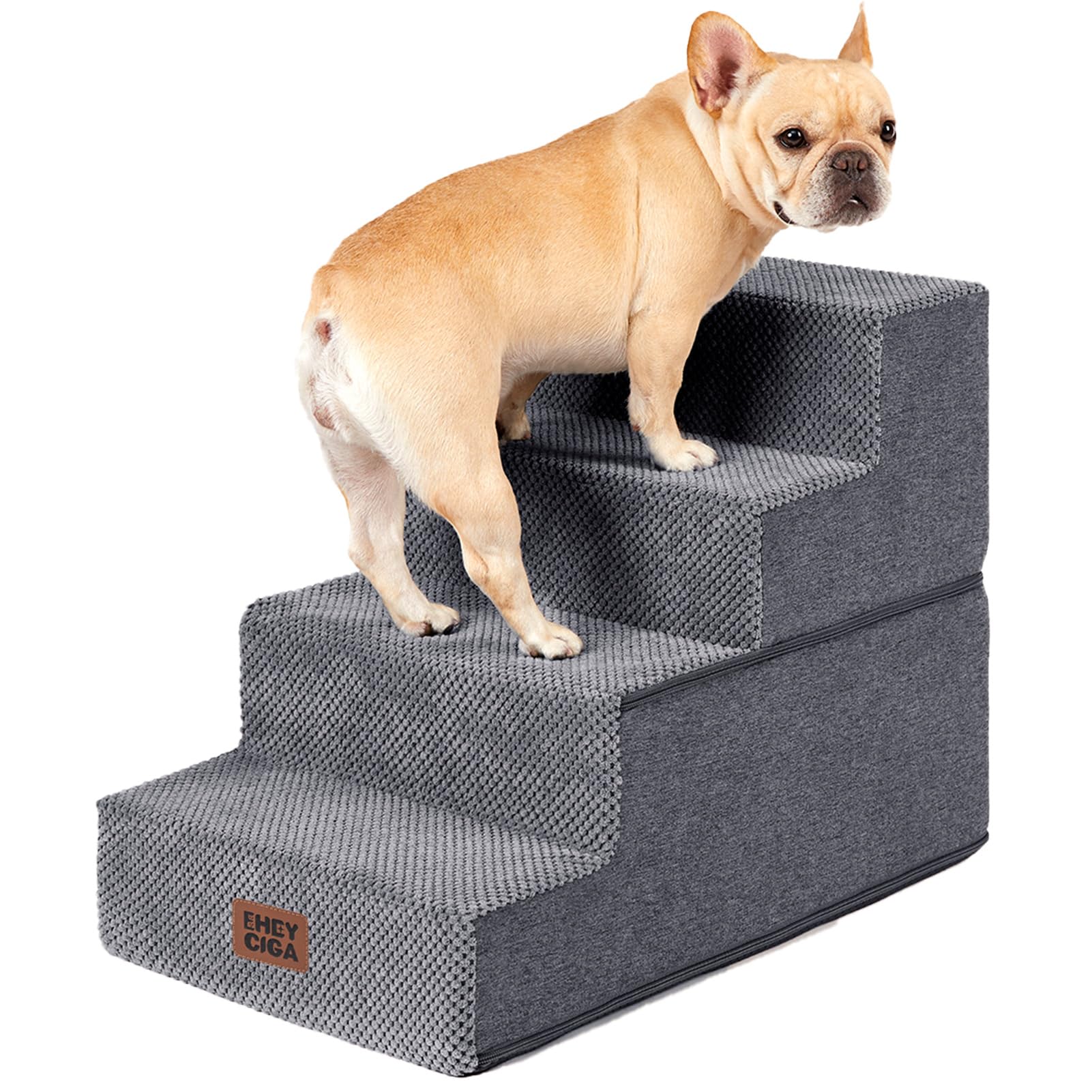
- EHEYCIGA Dog Stairs – useful for testing ramp height and stability
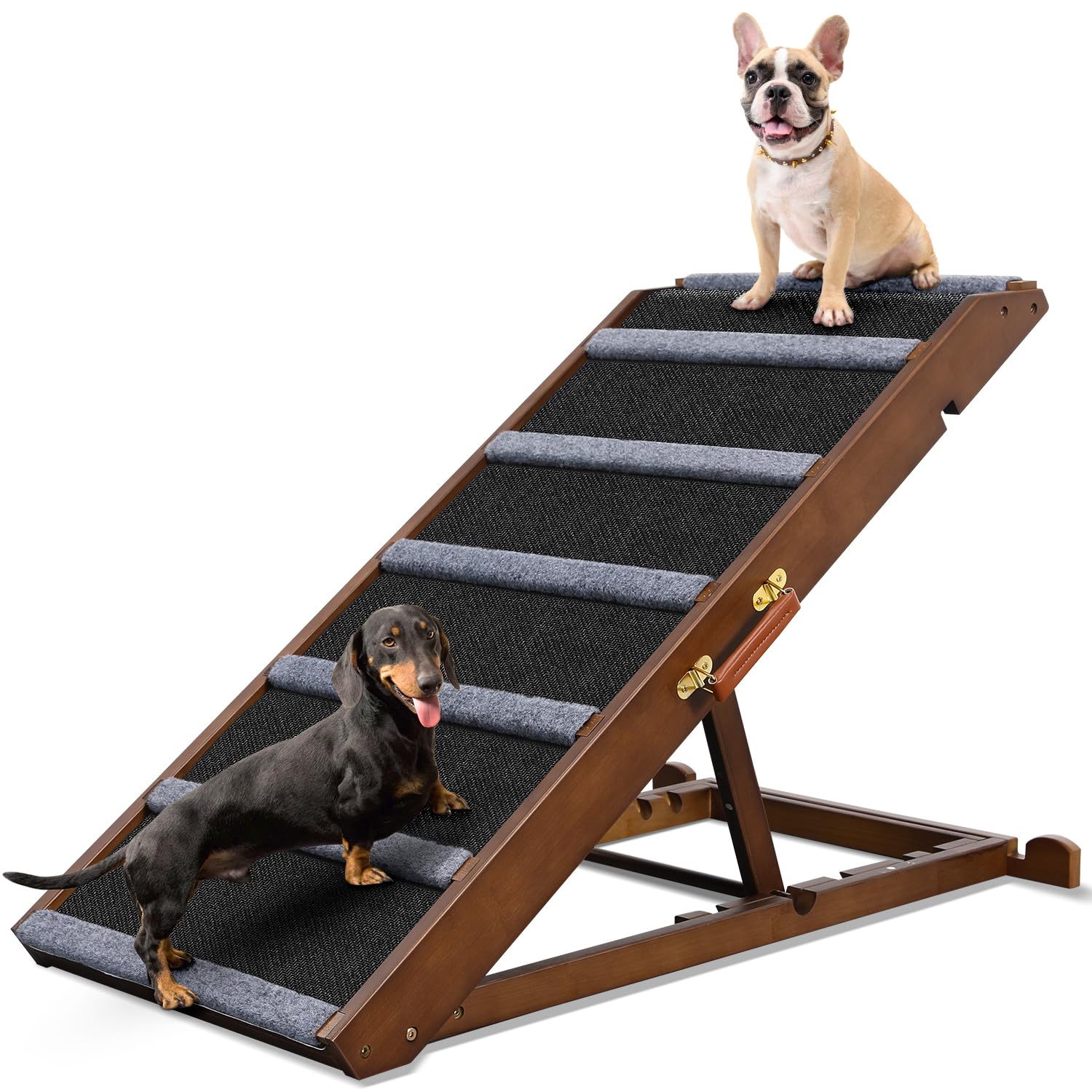
- AIMSEAL Dog Ramp – reference model for comparison
Step 1: Determine the Required Ramp Height
The first step is to measure the vertical distance from the floor to the top of the furniture or vehicle entry point. Use a measuring tape to obtain an accurate reading in inches; this measurement will dictate the ramp length needed for a comfortable incline. A gentle slope of 18–20 degrees reduces strain on the dog’s joints, especially for senior or arthritic pets. Compare the measured height with the height‑adjustment options of the ramp you are considering.
If the used ramp offers multiple height settings, ensure that the smallest setting matches or exceeds the required height. For reference, the AIMSEAL Dog Ramp provides four adjustable heights (11.6", 14.6", 17.7", and 22.5"), allowing flexible placement on beds, sofas, or vehicle trunks.
Step 2: Inspect Structural Integrity
Examine the ramp’s frame for cracks, splinters, or warped wood, as these defects compromise safety. Pay special attention to the joints, bolts, and any reinforced sections; loose hardware can cause wobbling under the dog’s weight. The AIMSEAL Dog Ramp uses solid walnut wood and a strengthened bottom board, which are indicators of a robust construction that should be present in a quality used ramp.
When the ramp includes a rubber footpad, verify that the anti‑slip material is intact and not overly worn. A ramp that slides on the floor defeats its purpose and increases the risk of injury. If the footpads are missing, consider purchasing replacements or opting for a ramp with new pads.
Step 3: Evaluate the Surface Traction
The walking surface must provide reliable grip for the dog’s paws. Look for a textured, non‑slip material such as rubber or carpet. The AIMSEAL Dog Ramp features a durable rubber surface with subtle raised steps that enhance traction, especially for senior dogs or breeds with short legs.
If the used ramp has a fabric cover, ensure it is clean, free of tears, and securely attached. A loose cover can bunch up, creating a tripping hazard. In cases where the cover is removable, test its washability; the EHEYCIGA Dog Stairs offer a removable, machine‑washable cover, demonstrating the convenience of easy maintenance.
Step 4: Verify Load Capacity
Check the manufacturer’s stated weight limit and compare it with your dog’s weight. Exceeding the limit can cause structural failure. The AIMSEAL Dog Ramp supports pets up to 200 lbs, making it suitable for large breeds such as Labradors and Golden Retrievers.
For the EHEYCIGA Dog Stairs, the product is marketed for small and medium dogs; therefore, it is ideal for breeds under 50 lbs. Selecting a ramp that matches the dog’s weight ensures long‑term safety and prevents premature wear.
Step 5: Test Stability on Your Floor Type
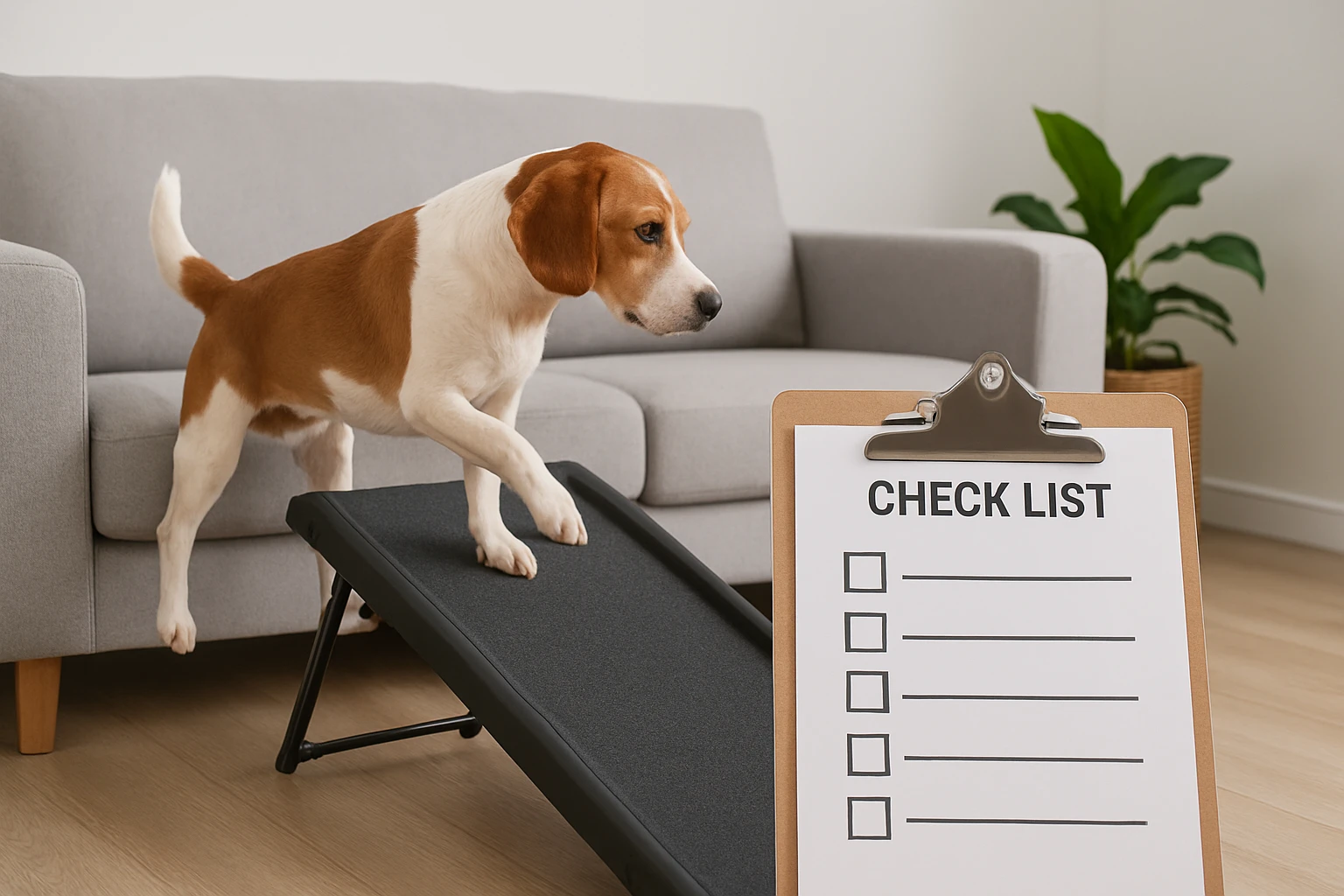
Place the ramp on the exact surface where it will be used—hardwood, tile, carpet, or car floor—and observe any movement. A stable ramp should remain stationary when gentle pressure is applied. The reinforced construction of the AIMSEAL Dog Ramp includes widened bases and anti‑slip rubber feet designed to keep the ramp firmly in place on both hard surfaces and carpets.
If the ramp wobbles, consider adding a non‑slip mat beneath it or choosing a different model. The EHEYCIGA Dog Stairs are foldable and can be positioned directly against furniture, reducing the need for additional floor stabilization.
Step 6: Assess Portability and Storage
Second‑hand ramps may have been stored in cramped conditions, potentially affecting foam or wood integrity. Verify that the ramp folds or disassembles easily, and that any foam components expand fully after unpacking. The EHEYCIGA Dog Stairs are foldable into a compact dog bed, offering convenient storage when not in use.
For larger ramps like the AIMSEAL Dog Ramp, ensure that the adjustable sections lock securely and that the overall weight does not impede moving it between rooms. A ramp that is too heavy may discourage regular use, negating its benefits.
Tips & Pro Tips
- Always measure twice before purchasing; an incorrect height can lead to a dangerous steep incline.
- Use a level to confirm the ramp sits at a consistent angle; an uneven surface can strain the dog’s joints.
- Apply a non‑slip rug pad beneath the ramp if the floor is exceptionally smooth.
- Consider adding a short, low‑profile ramp at the entry of a car to protect the vehicle’s interior from paw marks.
- Schedule regular inspections—especially after cleaning—to detect loose bolts or worn tread.
Troubleshooting
Problem: The ramp slides on hardwood floors.
Solution: Attach anti‑slip rubber feet (included with the AIMSEAL Dog Ramp) or place a silicone mat under the base.
Problem: The surface feels slick after cleaning.
Solution: Rinse the rubber surface with a mild detergent and allow it to air‑dry completely; avoid using oil‑based cleaners that can reduce traction.
Problem: The ramp’s foam does not fully expand.
Solution: Allow the foam to rest for 24–48 hours as recommended by the manufacturer; if expansion is incomplete, contact the seller for a replacement.
Conclusion
Buying a second‑hand dog ramp requires careful evaluation of height, structural integrity, traction, load capacity, stability, and portability. By following the checklist outlined in this guide, one can make an informed decision that safeguards the pet’s well‑being and extends the ramp’s service life. Remember that a properly chosen ramp not only prevents injuries but also promotes independence for dogs of all ages.
Products Mentioned in This Guide
Frequently Asked Questions
What are the essential safety checks when buying a second‑hand dog ramp?
Inspect the ramp for cracks, loose joints, and worn non‑slip surfaces, and verify it can support your dog’s weight.
How can I test the stability of a used dog ramp before purchasing it?
Place the ramp on a flat surface, apply pressure at the top and bottom, and watch for wobbling or shifting.
What measurements should I take to ensure the ramp fits my dog and space?
Measure the height from floor to the target surface and the ramp’s length and width, then compare to the dog’s stride and size.
What signs of wear indicate a second‑hand ramp should be avoided?
Look for splintered wood, frayed fabric, corroded metal brackets, or any broken support pieces.
Does cleaning a used dog ramp improve its safety and lifespan?
Yes, removing dirt and debris restores traction and helps spot hidden damage before it becomes a hazard.