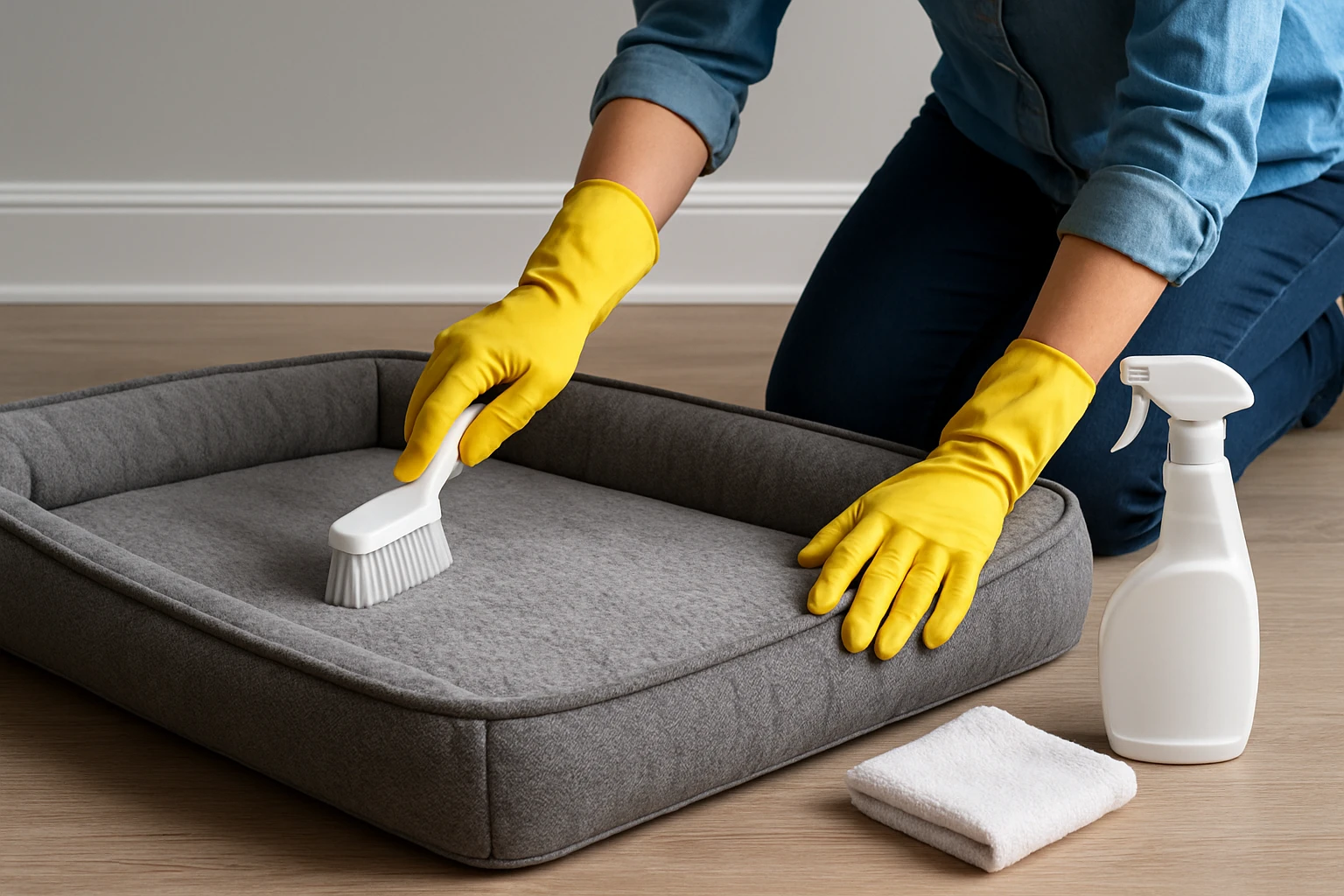
How to Clean and Maintain Orthopedic Dog Beds: Step-by-Step Guide to Remove Stains, Eliminate Odors & Extend Lifespan
Pet owners who invest in orthopedic dog beds understand that these beds provide essential support for joint health and overall comfort. However, without regular cleaning and proper maintenance, the benefits can diminish, and unpleasant odors may develop. This guide explains how to clean and maintain orthopedic dog beds in a systematic manner, ensuring that the bed remains supportive, hygienic, and long‑lasting.
The reader will learn how to remove surface debris, treat stains, deep‑clean removable covers, care for foam cores, and implement preventative measures. Each step includes practical advice, safety warnings, and product recommendations that act as tools to simplify the process. By following the instructions, one can extend the lifespan of the bed by months or even years.
What You'll Need
- Vacuum cleaner with upholstery attachment
- Gentle enzymatic cleaner or pet‑safe stain remover
- Cold water and mild detergent
- Large laundry basket or tub for soaking
- Drying rack or clean towels
- Optional protective covers such as Hoopttay Dog Bed Cover or Dalema Waterproof Dog Bed Cover
1. Prepare the Area and Remove Loose Debris
The first step is to create a clean workspace that prevents further contamination of the bed. Clear the surrounding floor, lay down a protective sheet, and ensure the bed is placed on a stable surface. Using a vacuum cleaner with an upholstery attachment, gently remove hair, dander, and loose particles from the surface and seams. This action reduces the amount of material that could become embedded during later washing stages.
When the bed features a removable cover, detach it carefully according to the manufacturer's instructions. For beds with zippered covers, such as the Hoopttay Dog Bed Cover, unzip slowly to avoid tearing the fabric. The cover will be treated separately, while the foam core remains protected for the next steps.
Why this matters: Removing loose debris first prevents dirt from spreading during washing, and it allows a more accurate assessment of stains that require targeted treatment.
2. Spot‑Treat Stains Immediately
Stains should be addressed before the entire cover is laundered. Apply a pet‑safe enzymatic cleaner directly to the stained area, allowing it to penetrate for three to five minutes. Gently blot with a clean cloth, working from the outer edge toward the center to avoid spreading the stain.
If the bed uses a waterproof barrier such as the Dalema Waterproof Dog Bed Cover, the stain may be on the outer fabric rather than the foam. The waterproof coating prevents liquid from seeping into the core, making spot‑treatment especially effective. Rinse the treated area with a damp cloth and allow it to air dry for ten minutes before proceeding.
Why this matters: Enzymatic cleaners break down organic molecules, eliminating both visible stains and lingering odors that could attract pests.
3. Deep‑Clean Removable Covers
Most orthopedic beds come with removable covers that are machine‑washable. The Hoopttay Dog Bed Cover is constructed from soft, breathable polyester, is machine washable on a cold gentle cycle, and resists fading after repeated washes. It is priced at $11.99, holds a 4.6‑star rating from 103 reviews, and is praised for its easy‑care instructions.
Place the cover in a large laundry basket, add a mild detergent, and wash on the cold, gentle setting. Do not use bleach, fabric softeners, or high heat, as these can degrade the elastic edges and reduce breathability. After washing, tumble dry on low heat or line‑dry to preserve the fabric's shape. The cover should be completely dry before reassembly to avoid mold growth.
For the Coolaroo Pet Bed Cover, the high‑density polyethylene fabric is also machine‑washable, though the manufacturer recommends mild detergent and air drying. Priced at $18.99 with a 4.6‑star rating from 11,653 reviews, it offers superior cooling properties, making it an excellent choice for warm climates.
Why this matters: Proper washing removes allergens, bacteria, and odor‑causing compounds while preserving the cover's structural integrity.
4. Care for the Orthopedic Foam Core
The foam core provides the therapeutic support that differentiates orthopedic beds from ordinary pads. Because foam absorbs water and can lose its resilience when saturated, it should never be machine‑washed. Instead, spot‑clean the foam with a damp cloth and a small amount of mild soap. For deeper cleaning, use a handheld steamer on a low setting to sanitize without saturating the material.
The EHEYCIGA Memory Foam Dog Bed features an egg‑crate memory foam layer that benefits from occasional airing. After cleaning, allow the foam to air out in a well‑ventilated area for at least 24 hours. This step restores the foam's loft and prevents musty odors.
If the bed includes a waterproof film between the foam and the outer cover, as seen in the EHEYCIGA Memory Foam Dog Bed, the film protects the foam from accidental spills. However, the film is not intended for repeated submersion, so avoid direct water contact.
Why this matters: Maintaining the foam's structural integrity preserves the ergonomic benefits that protect joints and reduce pressure points.
5. Dry Thoroughly and Reassemble
After washing, ensure that both the cover and any protective layers are completely dry before reassembly. Use a clean towel to blot excess moisture, then place the cover on a drying rack in a low‑humidity environment. A fan can accelerate drying, but avoid direct heat sources such as radiators, which may warp synthetic fabrics.
Once dry, reattach the cover using the original zippered closure. For beds with non‑zippered designs, such as the EHEYCIGA XL Memory Foam Dog Bed, align the edges carefully and secure any Velcro straps. The XL version costs $39.99, carries a 4.5‑star rating from 19,152 reviews, and includes a removable, washable cover that simplifies this step.
Why this matters: Proper drying prevents mold, mildew, and unpleasant odors that could compromise both hygiene and the dog's health.
6. Implement Preventative Measures
To reduce the frequency of deep cleaning, use a protective cover that repels liquids and hair. The Dalema Waterproof Dog Bed Cover is made from tough plastic fabric with a waterproof coating, making it ideal for dogs that tend to have accidents or excessive drool. Priced at $23.99 with a 4.1‑star rating from 1,044 reviews, it is easy to wipe clean with a damp cloth.
For owners seeking breathable protection, the Coolaroo Pet Bed Cover offers cooling, high‑density polyethylene fabric that promotes airflow while shielding the underlying foam from dust.
Regularly vacuum the bed, rotate the cover weekly, and schedule a full wash every two to four weeks depending on the dog's activity level. These habits minimize the buildup of allergens and extend the functional life of the orthopedic bed.
Tips & Pro Tips
- Test any cleaning solution on an inconspicuous area before full application to ensure colorfastness.
- When using a handheld steamer, keep the nozzle at least six inches from the foam to avoid overheating.
- For dogs with severe allergies, consider a hypoallergenic detergent that is free of dyes and fragrances.
- Place a non‑slip mat underneath the bed to prevent shifting during cleaning and daily use.
Troubleshooting
Persistent Odor After Washing
If an odor remains after the cover is dry, sprinkle a light layer of baking soda on the fabric, let it sit for 30 minutes, then vacuum. Baking soda neutralizes acidic compounds that cause smells.
Cover Shrinks After Drying
Shrinkage often results from using high heat. Re‑wash the cover on a cold cycle and air dry. If the problem persists, consider a replacement cover with better dimensional stability, such as the Hoopttay Dog Bed Cover.
Conclusion
This guide has outlined a systematic approach to cleaning and maintaining orthopedic dog beds, from initial debris removal to long‑term preventative strategies. By following each step, pet owners can safeguard the therapeutic benefits of the foam, eliminate odors, and extend the lifespan of the investment. Consistent care also promotes a healthier environment for the dog, reducing the risk of skin irritations and respiratory issues caused by dust and bacteria.
Products Mentioned in This Guide
Frequently Asked Questions
How often should I clean my orthopedic dog bed?
Vacuum the surface weekly and wash the removable cover every 1‑2 weeks; deep‑clean the foam core monthly.
What is the safest way to remove stains from the bed’s cover?
Apply a gentle enzymatic cleaner, let it penetrate for a few minutes, then launder the cover in cold water with a mild detergent.
Can the foam core be machine‑washed?
No, the foam should be spot‑cleaned with a damp cloth and mild soap; avoid submerging it in water or using a washing machine.
How do I get rid of odors in an orthopedic dog bed?
Sprinkle baking soda on the dry cover, let it sit 15‑30 minutes, vacuum it off, then wash the cover as usual.
What preventative measures extend the lifespan of an orthopedic dog bed?
Regular vacuuming, using a removable washable cover, rotating the bed, and keeping it away from direct sunlight help maintain support and hygiene.