How to Find Loaner Programs for Senior Dog Mobility Aids Near Me: The Complete Local Guide
Introduction
Senior dogs often face mobility challenges that reduce their quality of life and increase caregiver stress. This guide explains how to locate loaner programs for mobility aids, evaluate local resources, and choose the right equipment for your companion. Readers will learn practical search strategies, understand key product features, and receive actionable tips for safe implementation. By the end, one will be equipped to support an aging pet without incurring prohibitive costs.
Background and Context
Mobility impairments in dogs commonly arise from arthritis, hip dysplasia, post‑surgical recovery, or age‑related muscle loss. Without assistance, affected dogs may experience pain, reduced activity, and secondary health issues such as obesity. Mobility aids—including lift harnesses, support slings, and step‑in harnesses—distribute weight, reduce joint strain, and enable safe navigation of stairs and vehicles. Many owners are unaware that local shelters, veterinary clinics, and nonprofit groups often loan these devices to reduce financial barriers.
Understanding Senior Dog Mobility Challenges
Identifying the specific mobility limitation is the first step toward selecting an appropriate aid. A dog that struggles to rise from a seated position may benefit from a full‑body lift sling, whereas a small breed that tires quickly on walks may need a lightweight step‑in harness. Assessing gait, joint range of motion, and pain response provides a clinical baseline that veterinarians can use to recommend suitable equipment. Documentation of these observations also helps loaner programs match the correct size and style.
Locating Loaner Programs in Your Area
Begin by contacting the primary veterinary practice, as many clinics maintain a small inventory of loaner harnesses for emergency use. If the clinic does not have a program, ask for referrals to local animal shelters, rescue groups, or senior‑pet advocacy organizations that often receive donations of mobility aids. Online platforms such as PetFinder, local Facebook community groups, and Nextdoor can also reveal informal loaner networks. Finally, search municipal animal services websites for “mobility aid loaner” or “senior dog equipment” to uncover publicly funded resources.
Evaluating Veterinary Clinics and Shelters
When assessing a potential loaner source, verify the condition and cleanliness of the equipment. Ask whether the program tracks usage history, performs regular sanitation, and offers size‑specific guidance. Clinics that partner with manufacturers may provide newer models, while shelters may rely on donated, older items that still function well. Establish a clear return policy and inquire about any required documentation, such as a veterinary recommendation form.
Community Resources and Nonprofits
Nonprofit organizations dedicated to senior pet welfare frequently run grant or loan programs. Examples include the Pet Assist Foundation and local chapters of the Senior Pet Club. These groups may also offer complimentary fitting sessions, educational webinars, and peer‑support forums. Engaging with these communities not only provides access to equipment but also connects owners with experienced caregivers who can share practical advice.
Selecting Appropriate Mobility Aids
Once a loaner source is identified, the next step is to choose an aid that aligns with the dog’s size, condition, and activity level. Below are three highly regarded products that illustrate the range of options available.
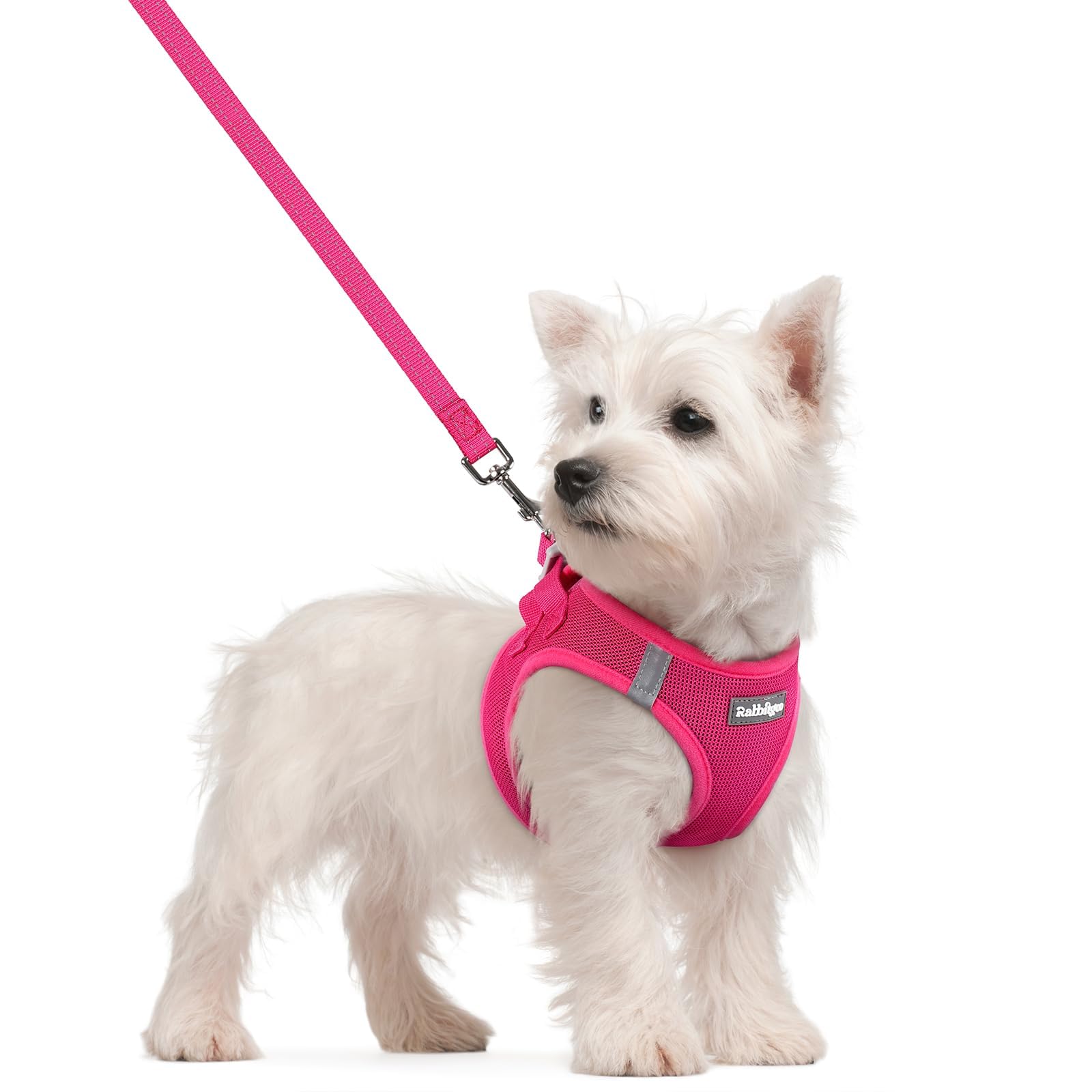
The rabbitgoo Small Dog Harness & Leash Set is a step‑in, breathable mesh harness designed for small breeds. Weighing only 0.2 lb, it features adjustable hook‑and‑loop tape, reflective stitching, and a matching 5.12‑ft leash with an anti‑tangling clip. The ergonomic design distributes pulling forces evenly, making it ideal for short walks and outdoor outings. At $20.39, it offers an affordable entry point for owners seeking a lightweight solution.
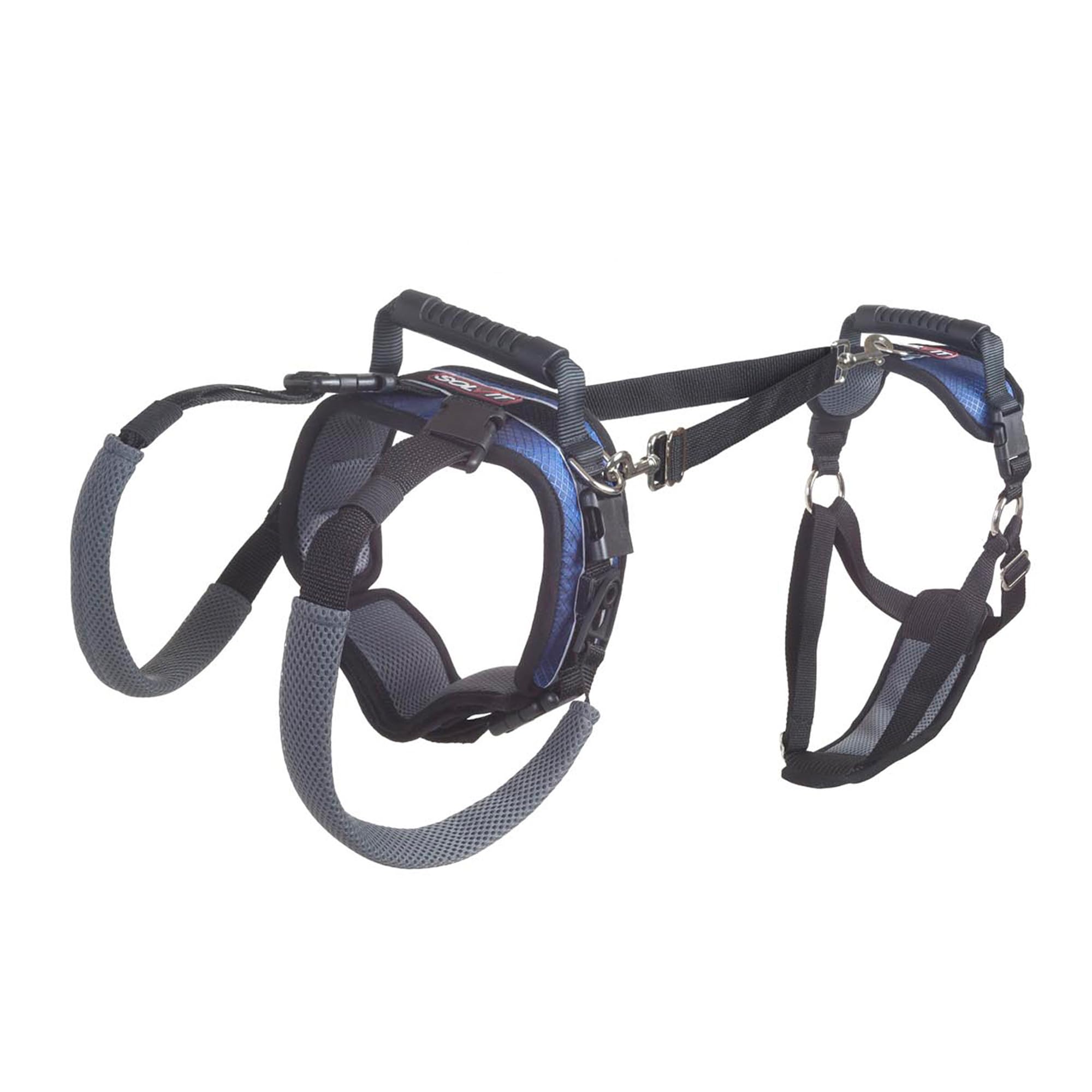
The PetSafe CareLift Dog Lift Harness Large provides full‑body support for larger dogs, weighing up to 120 lb. It includes a padded lifting strap, front and rear handles, and a removable protection shield for male dogs. The harness evenly distributes weight, reducing strain on both the animal and the caregiver’s back. With a price of $59.99 and a rating of 3.9 / 5.0 from 3,922 reviews, it balances durability and affordability for senior dogs recovering from surgery or arthritis.
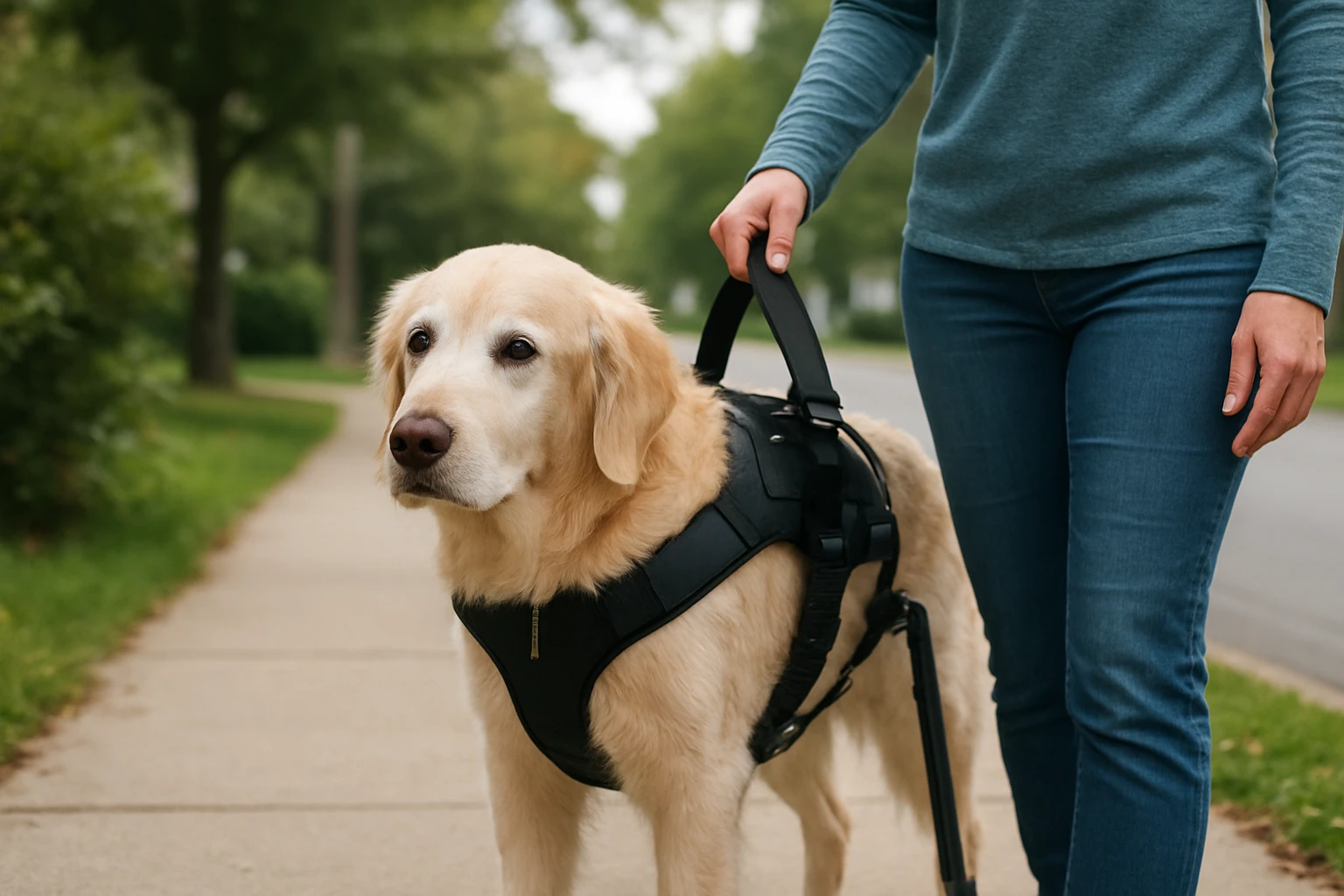
The OneTigris Dog Lift Harness for Large Dogs offers a 360° support design with a Y‑shaped frame, detachable leg support piece, and adjustable lifting strap. Constructed from 1000D nylon with mesh lining, it provides strength and breathability for dogs weighing up to 140 lb. Light‑reflective trim and webbing for LED accessories enhance nighttime safety. This harness is particularly suitable for dogs requiring comprehensive joint assistance and customizable fit.
Comparison and Selection Guide
| Feature | rabbitgoo Small Dog Harness & Leash Set | PetSafe CareLift Large | OneTigris Lift Harness |
|---|---|---|---|
| Target Size | Small (Neck 11.6‑12.8 in, Chest 15.1‑16.5 in) | Large (up to 120 lb) | Large‑Medium (18‑140 lb, multiple sizes) |
| Weight | 0.2 lb | Not specified (padded) | Not specified (1000D nylon) |
| Adjustability | Hook‑and‑loop tape | Adjustable straps, removable shield | Multiple buckles, detachable leg piece |
| Safety Features | Reflective stitching | 2 D‑rings, ergonomic pull distribution | Reflective trim, D‑rings, LED webbing |
| Price | $20.39 | $59.99 | Price not listed |
| Rating | Not provided | 3.9/5 (3,922 reviews) | Not provided |
When selecting a harness, prioritize size accuracy, weight distribution, and ease of use. For small breeds, the rabbitgoo set offers lightweight comfort and reflective safety at a low cost. Larger dogs with severe mobility issues benefit from the comprehensive support of the PetSafe or OneTigris models. Consider the loaner program’s inventory; if a specific brand is unavailable, choose the closest functional equivalent.
Best Practices & Tips
- Measure neck and chest girth using a flexible tape; leave one to two finger widths of clearance for a comfortable fit.
- Sanitize loaned equipment before each use with pet‑safe disinfectant wipes to prevent skin irritation.
- Introduce the harness gradually, allowing the dog to sniff and associate the device with positive reinforcement such as treats.
- Check for signs of chafing or pressure points after each session; adjust straps accordingly.
- Document usage duration and any observed improvements in mobility to share with the loaner program for future recommendations.
Frequently Asked Questions
- How do I know if my dog qualifies for a loaner program?
- Most programs require a veterinary note confirming a mobility limitation; however, many community groups accept self‑reported needs.
- Can I keep a loaned harness if I find it works well?
- Some programs allow purchase at a reduced price, while others require return; always clarify the policy before borrowing.
- What size should I order if my dog is between two sizes?
- Choose the larger size; most harnesses feature adjustable straps that accommodate growth and minor size variations.
- Are there any insurance options that cover mobility aids?
- Pet health insurance may reimburse a portion of the cost if the device is prescribed by a veterinarian; check policy details.
- How often should I replace a loaned harness?
- Replace when fabric shows wear, stitching loosens, or reflective elements fade; regular inspection ensures ongoing safety.
Conclusion
Finding a loaner program for senior dog mobility aids requires proactive research, clear communication with local providers, and an understanding of product features. By leveraging veterinary clinics, shelters, and nonprofit networks, owners can access high‑quality equipment without excessive expense. Selecting the appropriate harness—whether a lightweight step‑in set, a full‑body lift sling, or a 360° support system—enhances the dog’s comfort and extends an active lifestyle. Implementing the best‑practice tips outlined in this guide ensures safe, effective use of any borrowed aid.
Products Featured in This Guide
rabbitgoo Small Dog Harness & Leash Set
Price: $20.39
Why featured: Lightweight, breathable mesh design ideal for small breeds; includes reflective leash for safety during walks.
PetSafe CareLift Dog Lift Harness Large
Price: $59.99
Rating: 3.9/5.0 (3,922 reviews)
Why featured: Full‑body support and padded lifting strap reduce strain for senior or recovering large dogs.
OneTigris Dog Lift Harness
Price: Not listed
Why featured: 360° support design with adjustable leg piece and reflective trim for extensive mobility assistance.