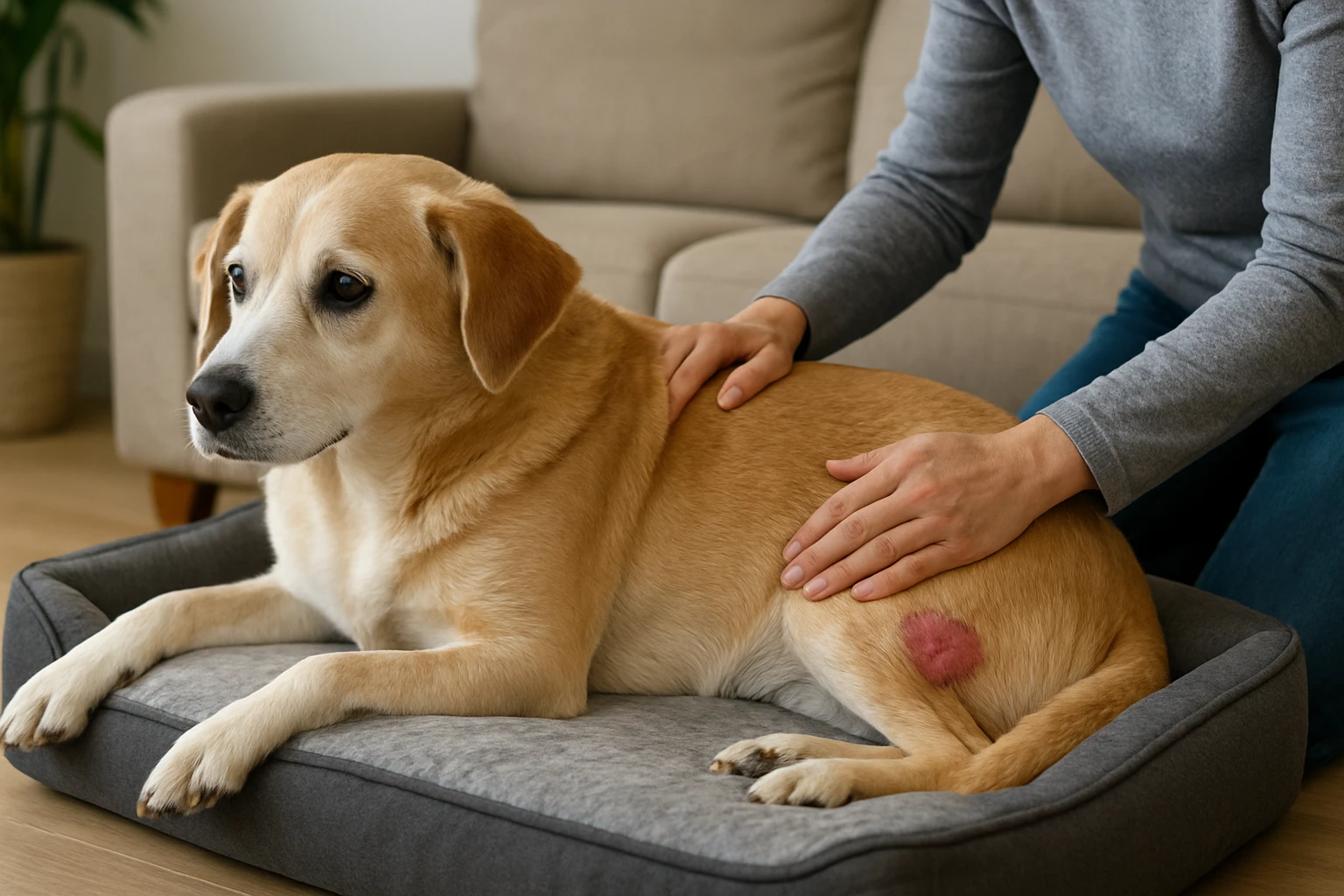
How to Introduce an Orthopedic Bed to a Dog with Pressure Sores: A Step‑by‑Step Guide to Comfort, Healing & Prevention
Introduction
Pet owners frequently encounter the challenge of providing adequate relief for dogs suffering from pressure sores. This guide explains how to select, prepare, and introduce an orthopedic bed that supports tissue regeneration while preventing future lesions. Readers will learn practical steps, useful tools, and common pitfalls to avoid during the transition period. The information presented is grounded in veterinary best practices and real‑world product performance data.
What You'll Need
- Orthopedic dog bed with supportive foam and waterproof liner.
- Soft, removable cover for easy cleaning.
- Gentle pet‑friendly cleaning supplies.
- Calming aids such as a favorite toy or blanket.
Both recommended products meet these criteria and are readily available on Amazon.
Step 1: Evaluate the Current Sleeping Environment
Begin by observing where the dog currently rests and noting any hard surfaces, drafts, or moisture that could exacerbate sores. Measure the area to ensure the new bed will fit without crowding other furniture. Identify any odors or stains that may indicate lingering moisture, which can delay healing. Document these observations to compare comfort levels after the new bed is introduced.
If the existing surface is overly firm, replace it with the Spotted Play Orthopedic Dog Bed. This bed features high‑density egg‑crate foam that evenly distributes weight, reducing pressure points on vulnerable joints. The waterproof liner protects the foam from accidental urine or water exposure, maintaining a dry environment essential for wound healing. At $22.79, it offers a cost‑effective solution with a 4.6‑star rating from over one thousand reviewers.
Step 2: Prepare the Bed for First Use
Unpack the orthopedic bed and allow it to expand for 24‑48 hours as instructed, ensuring the foam reaches its full thickness. Remove the zippered cover and machine wash it on a gentle cycle; this eliminates any factory residues that could irritate sensitive skin. Dry the cover on low heat or air‑dry to preserve the flannel fabric softness. Re‑assemble the bed, confirming that the waterproof liner remains intact and that the non‑slip bottom is positioned on a stable surface.
The removable cover simplifies hygiene, a critical factor for dogs with pressure sores that require a consistently clean resting area. By using a washable cover, owners avoid the need for harsh chemical cleaners that could delay tissue repair. The bed’s non‑slip bottom prevents unwanted movement, reducing the risk of friction injuries during repositioning. These design elements collectively create a therapeutic sleeping platform.
Step 3: Introduce the Bed Gradually
Place the prepared orthopedic bed in the location identified during the evaluation phase, ensuring easy access for the dog. Encourage the pet to explore the bed by placing a familiar blanket or a favorite toy on top, creating a positive association. Offer short, supervised sessions on the new surface, gradually increasing duration as the dog becomes comfortable. Observe the dog for signs of anxiety, such as pacing or vocalization, and provide reassurance without forcing contact.
For dogs that prefer a more enclosed feel, the MIXJOY Donut Cuddler Pet Bed can serve as a transitional cushion. Its raised rim offers head and neck support while the ultra‑soft faux shag fur mimics a mother’s warmth, calming nervous pets. At $19.94, it holds a 4.4‑star rating from over twenty‑two thousand reviewers, indicating broad satisfaction. Use the donut cuddler alongside the orthopedic bed for the first few days, allowing the dog to move between the two as confidence builds.
Step 4: Monitor Healing and Adjust as Needed
Inspect the pressure‑prone areas daily for signs of reduced redness, swelling, or discharge, documenting any changes in a journal. Adjust the dog’s position on the bed every two to three hours to promote circulation and prevent new sore formation. If the dog shows a preference for a particular side of the bed, rotate the mattress weekly to ensure even wear. Maintain a clean environment by washing the cover weekly and spot‑cleaning any spills promptly.
Should the dog exhibit persistent discomfort, consider adding a thin orthopedic pillow beneath the primary bed to increase loft without compromising support. Consult a veterinarian if sores fail to improve within a week, as underlying medical conditions may require additional intervention. The combination of a supportive foam base and a cozy, familiar cushion maximizes both therapeutic benefit and emotional comfort.
Tips & Pro Tips
- Place a low‑profile ramp or step if the dog has difficulty climbing onto the bed, especially for senior pets with joint stiffness.
- Use a pet‑safe antiseptic spray on the cover before washing if the dog has an active wound.
- Introduce a calming pheromone diffuser nearby to reduce anxiety during the transition.
- Maintain ambient room temperature between 68‑72°F to prevent the foam from becoming too cold, which can exacerbate soreness.
Troubleshooting
Problem: Dog refuses to use the new bed.
Solution: Re‑position the bed near a favored resting spot, add a piece of the old bedding for scent familiarity, and reward the dog with treats for brief contact.
Problem: Moisture accumulates under the cover.
Solution: Verify that the waterproof liner is correctly seated and replace it if damaged. Increase ventilation by placing a fan on low speed nearby.
Conclusion
Introducing an orthopedic bed to a dog with pressure sores requires careful assessment, proper preparation, gradual exposure, and diligent monitoring. By selecting a high‑quality foam bed such as the Spotted Play Orthopedic Dog Bed and optionally using the MIXJOY Donut Cuddler for added comfort, owners can create a therapeutic environment that promotes healing and prevents future lesions. Consistent observation and timely adjustments ensure the dog experiences lasting relief and improved quality of life.
Products Mentioned in This Guide
Frequently Asked Questions
Why is an orthopedic bed important for dogs with pressure sores?
It evenly distributes weight, reduces pressure points, and promotes tissue healing.
How can I encourage my dog to use a new orthopedic bed?
Place favorite toys or a blanket on the bed and reward the dog with praise or treats when it lies down.
What features should I look for in an orthopedic dog bed?
Supportive memory foam, a waterproof liner, and a removable, washable cover are essential.
How often should I clean the orthopedic bed to prevent infection?
Clean the cover weekly and wipe the foam surface with a pet‑safe cleanser as needed.
Can I use a regular dog bed with a cushion for pressure sore relief?
A regular bed lacks proper support; an orthopedic bed is specifically designed to alleviate and prevent pressure sores.