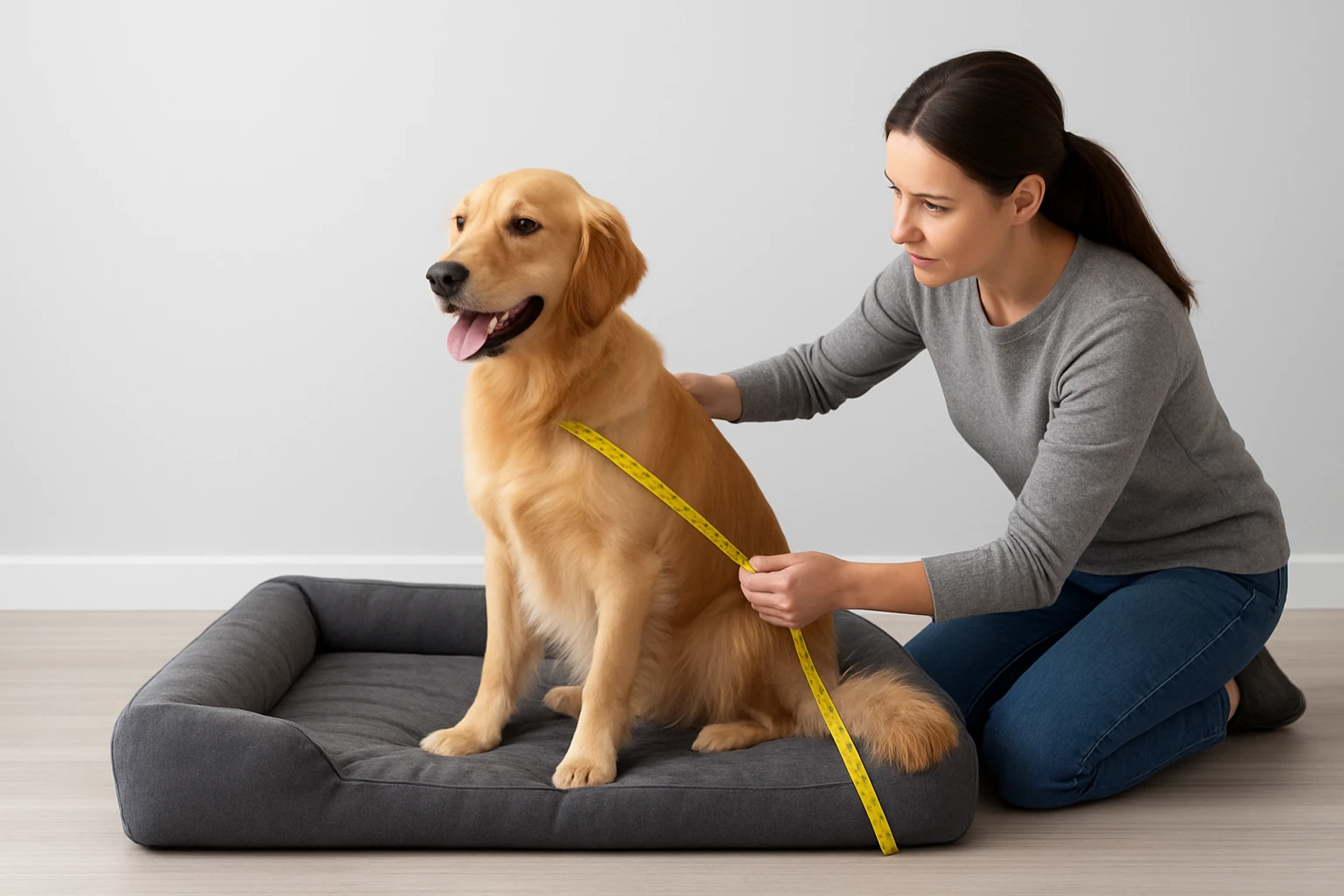
Introduction
This guide explains how to obtain accurate body measurements for a dog, evaluate joint‑support needs, and select an orthopedic dog bed that matches those measurements. Readers will learn why precise sizing prevents slumping, reduces pressure on joints, and enhances sleep quality for senior or arthritic pets. The process combines simple tools, such as a tape measure, with expert recommendations for two highly rated beds. By following each step, one can avoid costly returns and ensure a comfortable, supportive sleeping surface for any canine companion.
What You'll Need
- A reliable tape measure. The LYTOWN 4-Pack Body Measuring Tape offers flexible, auto‑locking reels and a durable fiberglass strip, ideal for both straight and curved measurements.
- A secondary soft‑vinyl measure for quick reference, such as the SINGER Tape Measure, which is compact and easy to store in a pocket.
- A pen and notebook to record length, height, and weight data.
- A calm environment where the dog feels comfortable standing or lying still.
Step 1: Measure Your Dog's Length
Place the dog on a flat surface and locate the point of the nose and the base of the tail where it meets the body. Using the LYTOWN measuring tape, extend the tape from the tip of the nose to the tail base, ensuring the tape follows the natural curve of the spine. Record the measurement in inches and centimeters. This length determines the minimum bed length; a bed that is at least two inches longer than the dog prevents the animal from hanging off the edge.
For example, a dog measuring 30 inches in length will fit comfortably on the Rainmr Orthopedic Dog Bed, which measures 30 × 20 × 6 inches. The bed’s raised bolstered sides add a few extra centimeters of support, making it suitable for dogs up to 32 inches long.
Step 2: Measure Height at the Shoulders
Stand the dog on a level floor and locate the highest point of the shoulder blades. Hold the tape measure vertically from the floor to this point. Record the height; this measurement guides the selection of a bed with adequate thickness to support the spine without causing the dog to sink.
The Rainmr bed features high‑density orthopedic memory foam that is six inches thick, offering sufficient elevation for dogs up to 14 inches tall at the shoulders. The JOYELF XLarge Memory Foam Dog Sofa provides a nine‑inch overall height, which is beneficial for larger breeds with higher shoulder points.
Step 3: Assess Weight and Joint Requirements
Weigh the dog using a household scale or a veterinary scale. Note the weight because foam density correlates with load‑bearing capacity. Dogs over 80 pounds typically benefit from a higher‑density foam core to prevent compression over time.
The JOYELF XLarge Memory Foam Dog Sofa is rated to hold up to 100 lb, and its solid memory foam base is flame‑retardant, offering durability for heavy or active dogs. The Rainmr Orthopedic Dog Bed, while designed for small to medium dogs, provides excellent support for pets up to 30 lb, making it ideal for senior small breeds.
Step 4: Choose Bed Size and Style
Combine the length, height, and weight data to select a bed that meets all three criteria. If the dog’s length is between 24‑30 inches and weight is under 30 lb, the Rainmr Orthopedic Dog Bed is a cost‑effective solution at $36.99 with a 4.5‑star rating from 500 reviews. For larger dogs, the JOYELF XLarge Memory Foam Dog Sofa, priced at $82.99 and rated 4.5 stars from 28,537 reviews, offers a spacious 40 × 30 × 9‑inch footprint and a reinforced nonslip rubber bottom.
Both products include removable, machine‑washable covers, which simplify maintenance. The Rainmr bed’s waterproof flannel lining protects the foam from accidents, while the JOYELF sofa incorporates an internal liner and a bone‑shaped squeaker toy, adding entertainment for younger dogs.
Step 5: Test Fit in Crate or Designated Space
Before final purchase, simulate the placement of the selected bed in the dog’s crate, kennel, or preferred sleeping area. Measure the interior dimensions of the crate with the LYTOWN tape and compare them to the bed dimensions. Ensure there is at least one inch of clearance on each side to allow easy entry and exit.
If the crate dimensions are 32 × 22 inches, the Rainmr Orthopedic Dog Bed will fit snugly while leaving a small margin for the dog to maneuver. For larger crates, the JOYELF XLarge Memory Foam Dog Sofa provides ample space for multiple dogs to share, as highlighted in customer reviews.
Step 6: Purchase and Set Up the Bed
Order the chosen bed using the affiliate links provided. Upon arrival, allow the foam to fully expand for 24‑48 hours; this ensures the memory foam reaches its intended density. Place the bed on a flat, non‑slippery surface; both products feature nonslip rubber bottoms that prevent shifting on wood, tile, or carpet.
Cover the bed with the removable flannel cover (Rainmr) or the zippered cover (JOYELF). Wash the cover according to the care instructions before first use to remove any manufacturing residues. Finally, observe the dog’s behavior for the first 24 hours; a relaxed posture and consistent use indicate a successful fit.
Tips & Pro Tips
- Measure the dog twice to confirm accuracy; small errors can lead to an ill‑fitting bed.
- For dogs with severe arthritis, choose a bed with at least six inches of high‑density foam to distribute pressure evenly.
- Use the waterproof liner feature of the Rainmr bed for senior dogs prone to incontinence.
- Consider adding a lightweight blanket on top of the bed during colder months to retain warmth.
- Rotate the bed’s position periodically to prevent uneven wear on the foam.
Troubleshooting
Problem: The dog slides off the bed at night.
Solution: Ensure the nonslip rubber bottom is clean and free of debris. If the floor is extremely smooth, place a thin rug underneath the bed to increase friction.
Problem: The foam feels too soft after a few weeks.
Solution: Verify that the bed was allowed to fully expand after unpacking. If the issue persists, contact the seller for a replacement, as high‑density foam should retain its firmness for years.
Conclusion
Accurate measurement of a dog’s length, height, and weight is essential for selecting an orthopedic dog bed that offers optimal joint support and comfort. By employing a reliable measuring tool, such as the LYTOWN 4‑Pack Body Measuring Tape, and following the step‑by‑step process outlined above, owners can confidently choose between the Rainmr Orthopedic Dog Bed and the JOYELF XLarge Memory Foam Dog Sofa. Proper fit, appropriate thickness, and thoughtful placement will improve sleep quality, reduce joint strain, and extend the lifespan of the bed.
Products Mentioned in This Guide
Frequently Asked Questions
How do I accurately measure my dog for an orthopedic bed?
Use a flexible tape measure to record your dog's length from nose to base of tail, height at the shoulders, and weight, noting each value in a notebook.
Why is precise sizing important for orthopedic dog beds?
Correct dimensions prevent slumping, reduce joint pressure, and improve sleep quality, especially for senior or arthritic dogs.
What tools are recommended for measuring my dog?
A reliable tape measure like the LYTOWN 4‑Pack Body Measuring Tape and a compact soft‑vinyl measure such as the SINGER Tape Measure are ideal.
How can I avoid costly returns when buying an orthopedic dog bed?
Compare your dog’s measurements to the bed’s size guide, consider weight capacity, and choose a bed with a flexible return policy.
What features should I look for in a high‑quality orthopedic dog bed?
Look for supportive foam layers, durable covers, appropriate size, and positive reviews from owners of senior or joint‑issue dogs.