How to Safely Buy a Used Orthopedic Dog Bed: Complete Inspection, Cleaning & Buying Checklist
Introduction
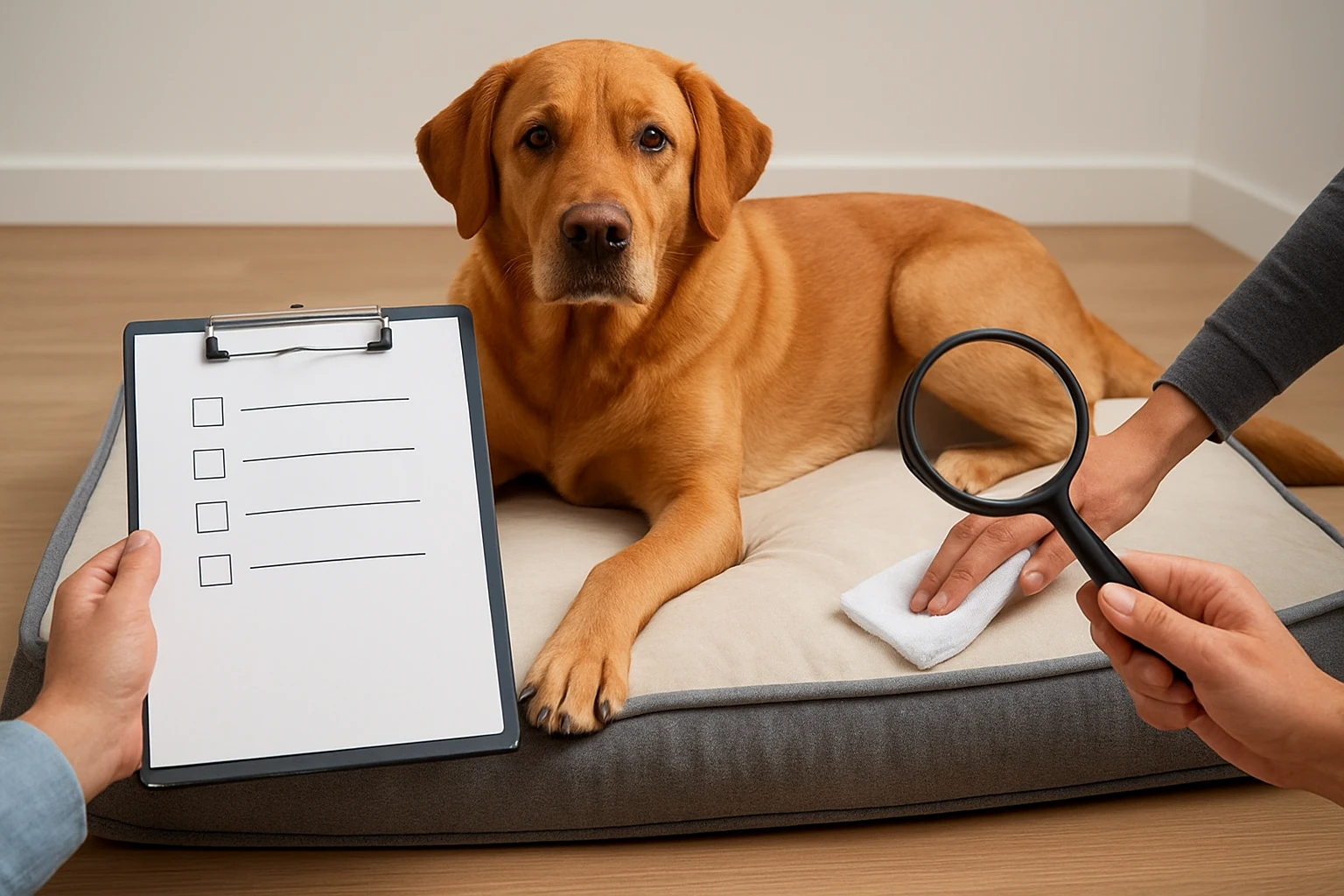
One often seeks a high‑quality orthopedic dog bed without paying full retail price. This guide explains how to evaluate a used bed, ensure it remains safe and supportive, and clean it for immediate use. Readers will learn a systematic inspection routine, a thorough cleaning protocol, and a concise buying checklist. By following these steps, one can protect a pet’s health while making a financially sound decision.
What You’ll Need
- Flashlight or headlamp for detailed inspection
- Vacuum with upholstery attachment
- Mild pet‑safe detergent
- Water‑proof protective sheet (optional)
- Replacement orthopedic bed for comparison, such as the Bedsure Orthopedic XXL Dog Bed
Step 1: Define Your Dog’s Requirements
Before contacting a seller, one should document the dog’s size, weight, and any medical conditions that demand orthopedic support. Measure the dog from nose to tail and from front paws to rear to determine the minimum bed dimensions. For large or extra‑large breeds, a bed of at least 52 inches in length, such as the Bedsure Orthopedic XXL Dog Bed, provides adequate space. Recording these specifications ensures that the used bed under consideration will meet the animal’s comfort and therapeutic needs.
Step 2: Locate Reputable Sellers
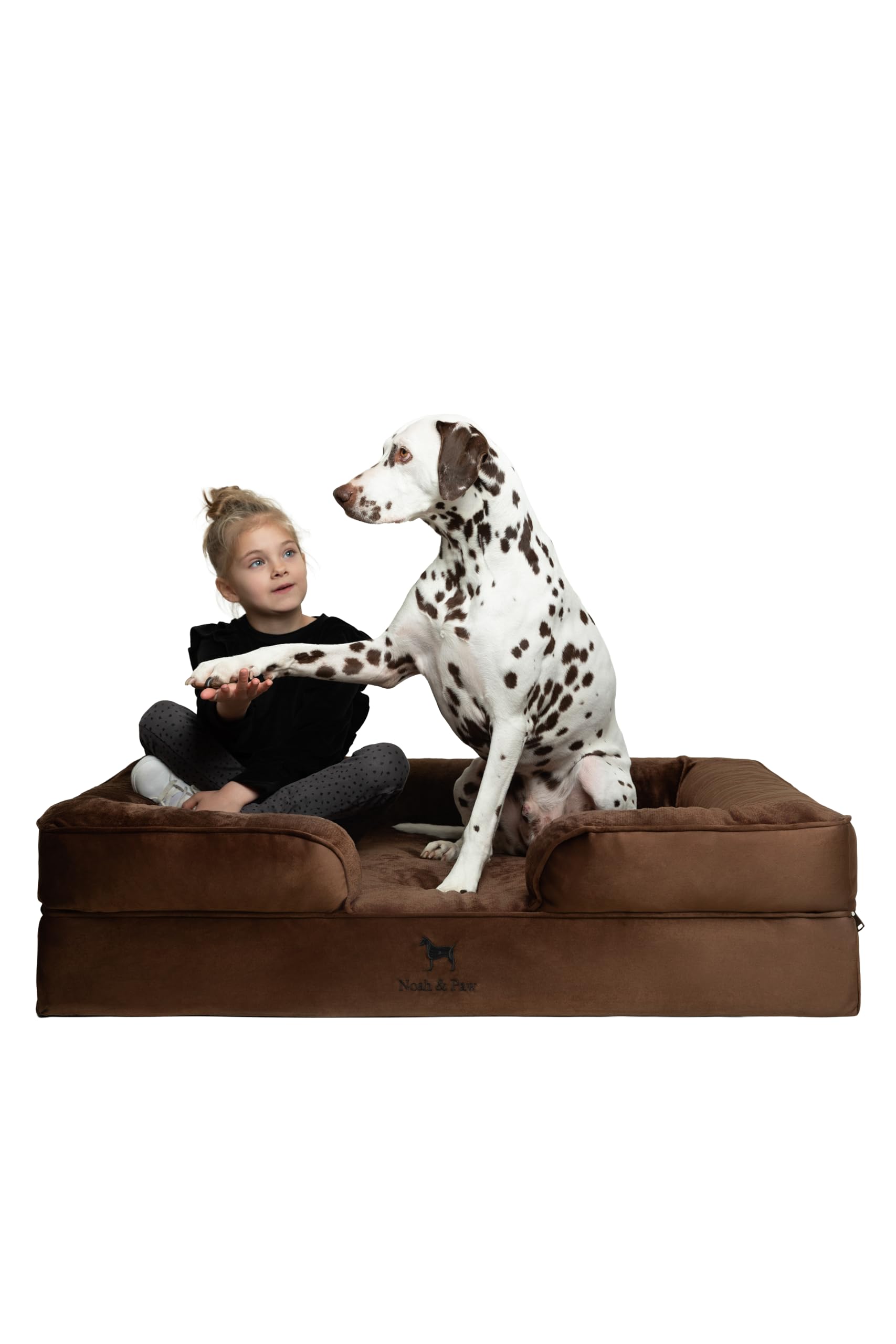
Online marketplaces, local classifieds, and community groups are common sources for used pet furniture. Prioritize sellers who provide clear photographs, a detailed description of the bed’s history, and a willingness to answer questions. Request additional images that show the underside, seams, and any tags that verify the original brand. Sellers who can reference the original product, such as a Noah & Paw XL Orthopedic Dog Bed, are often more trustworthy because the model’s specifications are publicly documented.
Step 3: Perform a Visual Inspection
When meeting the seller, bring a flashlight to examine the surface for tears, punctures, or worn stitching. Check the bolster edges; the 4‑sided bolster design of the Bedsure model should retain its shape without flattening. Verify that the waterproof laminate layer is intact; any delamination could allow moisture to reach the foam core. Confirm that the non‑skid bottom remains rubberized, as a worn bottom may cause the bed to slide on smooth flooring.
Step 4: Assess Orthopedic Support
Press the foam with your hand to gauge density; high‑density egg‑crate foam should feel firm yet yield slightly under pressure. The Noah & Paw XL bed utilizes a 6‑inch thick base with a combination of memory foam and eggshell foam infused with cooling gel, offering layered support for joint relief. Compare the firmness of the used bed with a new reference model, such as the Bedsure Orthopedic XXL Dog Bed, which is rated 4.5 stars by over 51,000 reviewers for its pressure‑relieving properties. If the used bed feels overly soft or uneven, it may have lost its supportive qualities.
Step 5: Check for Odors and Hygiene Issues
Bring the dog close to the bed and note any lingering odors of urine, feces, or strong chemicals. A healthy orthopedic bed should emit a neutral or faintly fresh scent; any sour smell indicates possible bacterial growth. The waterproof cover on both recommended beds simplifies cleaning, so inquire whether the used bed still possesses a removable, machine‑washable cover. If the cover is missing or permanently attached, the cleaning process will be more labor‑intensive.
Step 6: Verify Safety Certifications
Look for labels indicating CertiPUR‑US foam certification and OEKO‑TEX 100 compliance, as found on the Bedsure Orthopedic XXL Dog Bed. These certifications confirm that the foam is free from harmful chemicals and safe for pets. Ask the seller to show any tags or documentation that prove the original bed met these standards. Without such verification, one cannot guarantee that the foam does not contain volatile organic compounds that could affect a dog’s respiratory health.
Step 7: Negotiate Price and Arrange Payment
Based on the inspection findings, determine a fair price. For a bed in excellent condition, a discount of 30‑40 % off the retail price is reasonable; the Bedsure model retails for $84.97, so an offer around $55 would reflect its value. If minor flaws are present, adjust the offer accordingly. Use a secure payment method, such as PayPal Goods and Services, to protect both parties.
Step 8: Clean and Sanitize the Bed Before Use
Immediately after purchase, remove any existing cover and wash it in warm water with a mild pet‑safe detergent. If the cover is not removable, spot‑clean the surface using a solution of equal parts water and white vinegar, then blot with a clean towel. Allow the foam to air‑dry completely; the high‑density foam used in both recommended models dries within 24‑48 hours under moderate airflow. Finally, apply a pet‑safe antimicrobial spray to the non‑skid bottom to prevent future slipping.
Tips & Pro Tips
- Always test the foam’s resilience by pressing several points; uneven rebound indicates compression set.
- Bring a portable vacuum to remove dust and hair before final inspection.
- If the seller cannot provide original tags, request a short trial period to verify comfort.
- Consider purchasing a protective waterproof cover, such as the one supplied with the Bedsure Orthopedic XXL Dog Bed, to extend the life of a used bed.
Troubleshooting
Problem: The foam feels soft after a few weeks of use.
Solution: Rotate the bed weekly to distribute weight evenly and prevent permanent indentation. If softness persists, replace the foam with a new orthopedic insert, such as the memory‑foam core from the Noah & Paw XL model.
Conclusion
One can acquire a high‑quality orthopedic dog bed at a fraction of the retail cost by following a disciplined inspection, cleaning, and purchasing process. The checklist provided ensures that the bed will remain supportive, safe, and hygienic for the pet. By referencing reputable products like the Bedsure Orthopedic XXL Dog Bed and the Noah & Paw XL Orthopedic Dog Bed, one gains a benchmark for quality and durability. Apply these steps, and one will protect both the dog’s health and one’s budget.
Products Mentioned in This Guide


Frequently Asked Questions
What are the key signs of wear to check on a used orthopedic dog bed?
Look for flattened foam, torn seams, missing padding, and any odor that may indicate mold or mildew.
How should I clean a used orthopedic dog bed before using it?
Vacuum the surface, then spot‑clean with a mild pet‑safe detergent and warm water, rinsing thoroughly and allowing it to air‑dry completely.
What tools are recommended for a thorough inspection of a used dog bed?
Use a flashlight or headlamp to examine seams and foam, and a vacuum with an upholstery attachment to remove debris.
Why is it important to match the bed size to my dog’s measurements?
Proper size ensures adequate support and prevents strain on joints, especially for dogs with orthopedic needs.
What items should be on my buying checklist for a used orthopedic dog bed?
Confirm size, condition of foam, cleanliness, any visible damage, and whether the seller provides a return policy or warranty.
