How to Test a Dog Ramp's Structural Strength at Home: Step-by-Step DIY Safety Checks to Protect Your Pet
Introduction
Pet owners frequently rely on ramps to assist dogs with limited mobility, yet many neglect to verify the ramp's structural integrity before regular use. This guide teaches readers how to conduct thorough, at‑home strength assessments that safeguard canine companions from injury. By following each procedure, one can identify weak points, confirm load capacity, and maintain confidence in the ramp's performance over time. The information presented is valuable for both new purchasers and owners of long‑standing equipment.
What You'll Need
- Measuring tape or ruler
- Digital bathroom scale (minimum 300 lb capacity)
- Adjustable dumbbells or sandbags totaling up to 250 lb
- Leveling mat or sturdy wooden board
- Non‑slip grip tape (optional)
- Safety goggles and gloves
- Pen and notebook for recording results
For convenience, the following products are recommended as tools that simplify the testing process. The first mention of each product includes a direct affiliate link.
Step‑by‑Step Instructions
1. Conduct a Visual Inspection
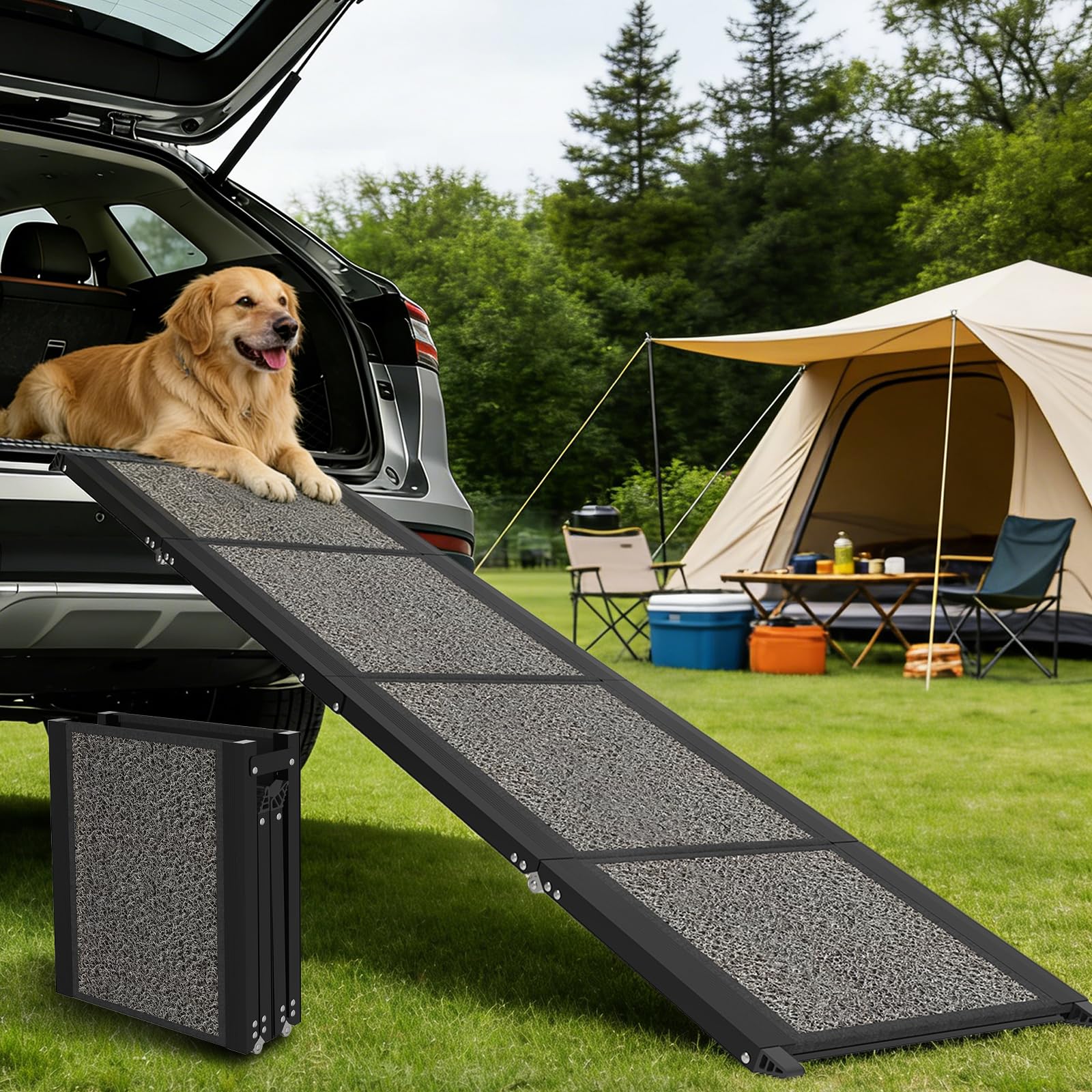
Begin by examining the ramp for visible defects such as cracked aluminum, loose bolts, or frayed fabric. Use a flashlight to highlight seams and verify that the non‑slip rug surface is intact. If the ramp folds, open it fully and ensure that each hinge clicks securely into place. This step prevents hidden damage from compromising later load tests.
When testing a COZEER Folding Dog Car Ramp, note the quad‑fold mechanism; the four sections should align without gaps. The aluminum frame is rated to support 250 lb, but any deformation observed now may indicate fatigue.
2. Verify Dimensional Accuracy
Measure the ramp's length, width, and incline angle. The COZEER model specifies a 63‑inch incline; confirm this measurement with a tape measure and a protractor or smartphone angle app. Accurate dimensions guarantee that the ramp will match the vehicle's entry height and that the slope is not steeper than intended.
Record all measurements in the notebook. Discrepancies greater than 2 % suggest manufacturing variance that could affect stability.
3. Perform a Static Load Test
Place the ramp on a level surface using the wooden board to eliminate floor irregularities. Position the digital scale at the top of the ramp and gradually add weight using dumbbells or sandbags. Increase the load in 25‑lb increments until the ramp reaches its advertised capacity of 250 lb.
Observe the frame for any flexing, audible creaks, or wobbling. The COZEER ramp's internal load‑bearing crossbar should distribute weight evenly, preventing noticeable sag. If the ramp exhibits excessive bending before reaching 250 lb, discontinue the test and consider replacement.
4. Assess Dynamic Load Using a Weighted Bag
Dynamic testing simulates a dog walking up and down the ramp. Secure a 50‑lb sandbag to a sturdy rope and attach it to the ramp's safety rope. Pull the bag upward at a steady pace while the ramp remains on the level board. Repeat the motion three times, mimicking the rhythm of a dog's steps.
During this exercise, the non‑slip rug surface should remain firmly attached, and the aluminum frame must resist oscillation. The safety rope’s stainless‑steel buckles, included with the COZEER ramp, provide additional anchoring that reduces swing.
5. Test Stability on Typical Surfaces
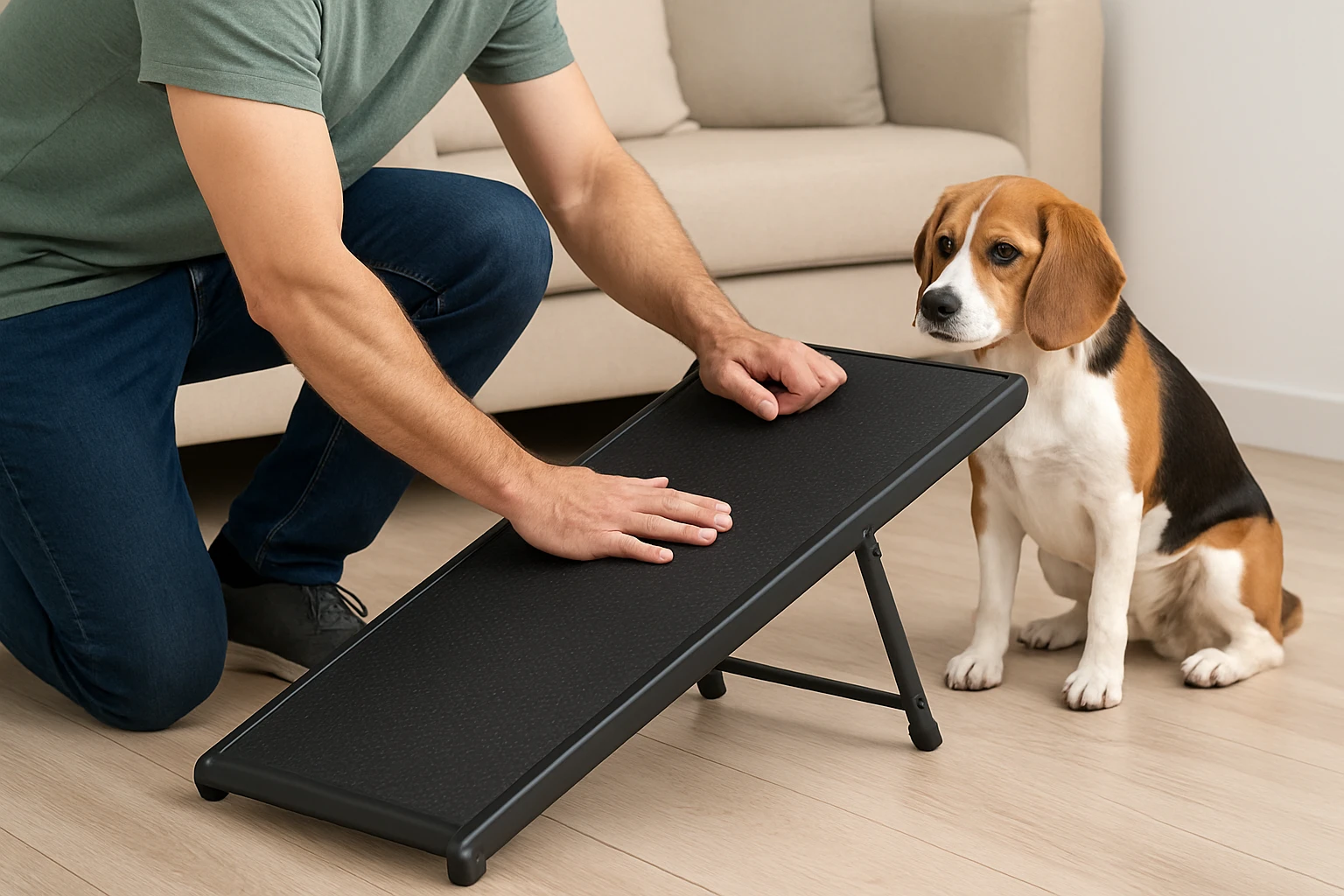
Ramps are frequently used on vehicle trunks, garage floors, or carpeted entryways. Replicate these conditions by placing the ramp on a rubber mat, a wooden trunk lid, and a carpeted tile. For each surface, repeat the static load test at 150 lb to evaluate whether the ramp slides or tilts.
If slippage occurs, apply non‑slip grip tape to the base of the ramp. The COZEER ramp's textured aluminum base often provides sufficient friction, but additional tape can enhance safety on polished surfaces.
6. Evaluate Joint‑Friendly Incline
Senior dogs benefit from a gradual incline that reduces stress on hips and spines. Use the measuring tape to determine the vertical rise of the ramp when positioned against a vehicle step. Divide the rise by the ramp's length to calculate the slope percentage. A 63‑inch ramp designed for a 12‑inch vehicle height yields a slope of approximately 19 %, which is considered joint‑friendly.
Compare this value with the recommended maximum slope of 20 % for older dogs. If the slope exceeds this threshold, consider adding a short platform at the base to reduce the angle.
7. Cross‑Check with an Alternative Ramp
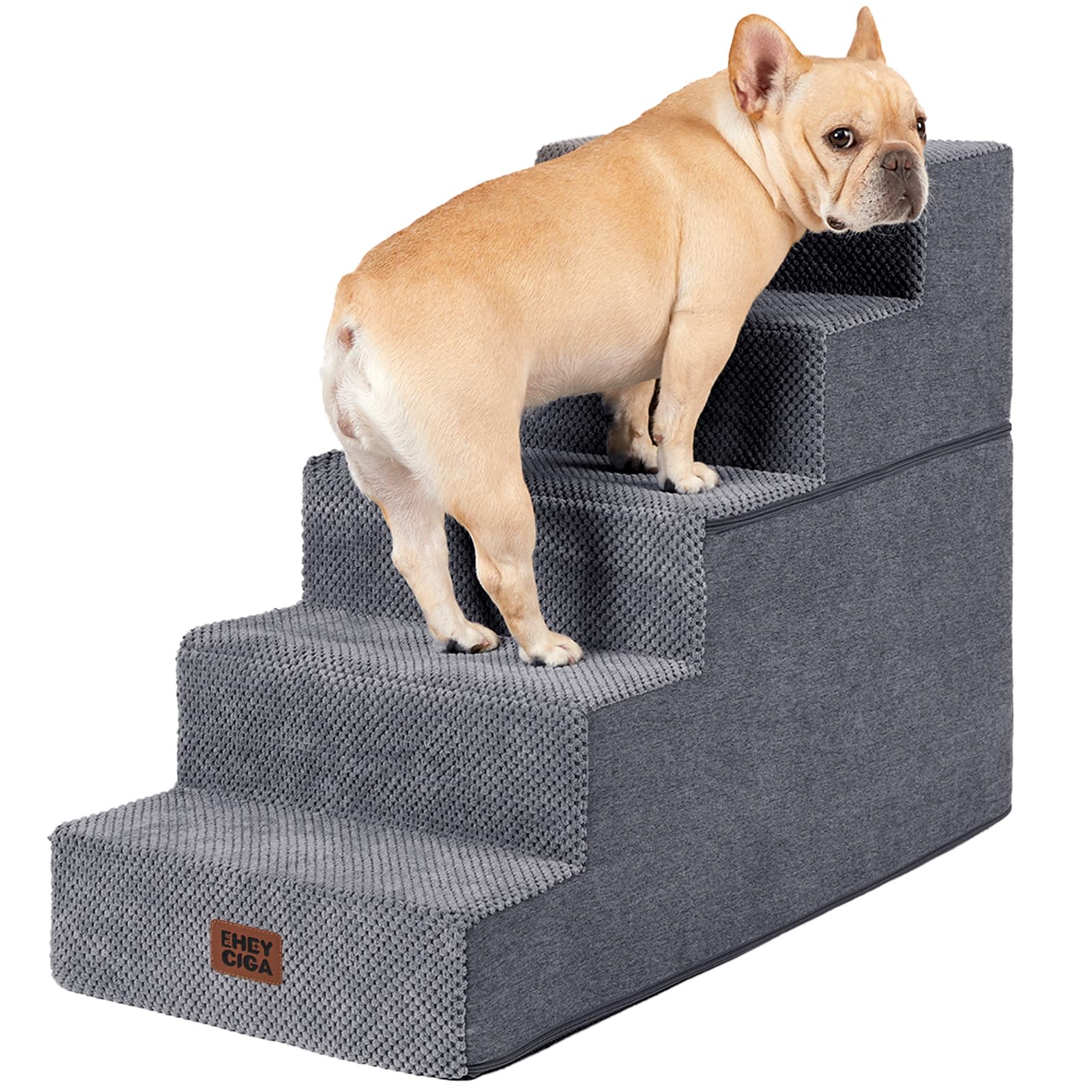
For households that also own indoor stairs, the EHEYCIGA 5‑Step Pet Stairs can serve as a reference point for load capacity. The stairs support small to medium dogs and feature a high‑density foam core. Place a 30‑lb weight on the top step and observe any flex. The stairs are rated for similar weight distribution, offering a comparative benchmark for the car ramp.
Using both products in the same testing environment provides a broader perspective on structural resilience across different designs.
Tips & Pro Tips
- Perform the load tests in a well‑ventilated area and wear safety goggles to protect eyes from debris.
- Document each observation with photographs; visual records help track wear over months.
- Re‑test the ramp quarterly, especially after extensive travel or exposure to moisture.
- When storing the COZEER ramp, collapse it into its quad‑fold position and keep it in a dry location to prevent corrosion.
- For indoor stairs, rotate the EHEYCIGA steps periodically to distribute wear evenly across the foam surface.
Troubleshooting
Problem: The ramp wobbles on a smooth garage floor.
Solution: Apply a strip of non‑slip grip tape to each foot of the ramp or place a rubber mat underneath.
Problem: The non‑slip rug surface begins to peel after repeated cleaning.
Solution: Gently re‑attach the fabric using a low‑odor adhesive designed for textiles, ensuring the surface remains breathable.
Problem: The safety rope frays over time.
Solution: Replace the rope with a new stainless‑steel‑buckled cord of equal length; this maintains the original design integrity.
Conclusion
By following the outlined procedures, one can confidently assess a dog ramp's structural strength, verify its load capacity, and ensure a joint‑friendly incline for senior pets. Regular inspections, combined with the recommended tools, protect both the animal and the investment. Readers are encouraged to document findings, repeat tests periodically, and replace any ramp that fails to meet safety standards.
Products Mentioned in This Guide
Frequently Asked Questions
Why should I test my dog ramp’s structural strength before regular use?
Testing ensures the ramp can safely support your dog’s weight, preventing collapse or injury during daily use.
What basic tools do I need to perform a home strength test on a dog ramp?
A measuring tape, a digital bathroom scale (300 lb+), adjustable weights or sandbags (up to 250 lb), a level board, and safety gear are sufficient.
How can I verify the ramp’s load capacity using a bathroom scale?
Place the scale at the ramp’s base, add weights gradually, and record the weight at which the ramp shows any flex or instability.
What signs indicate a weak point or structural failure during the test?
Noticeable bending, wobbling, creaking, or the ramp’s surface shifting under load are clear indicators of weakness.
How often should I re‑test my dog ramp’s structural integrity?
Re‑test every 6‑12 months or after any heavy use, accidental impacts, or visible wear to ensure continued safety.