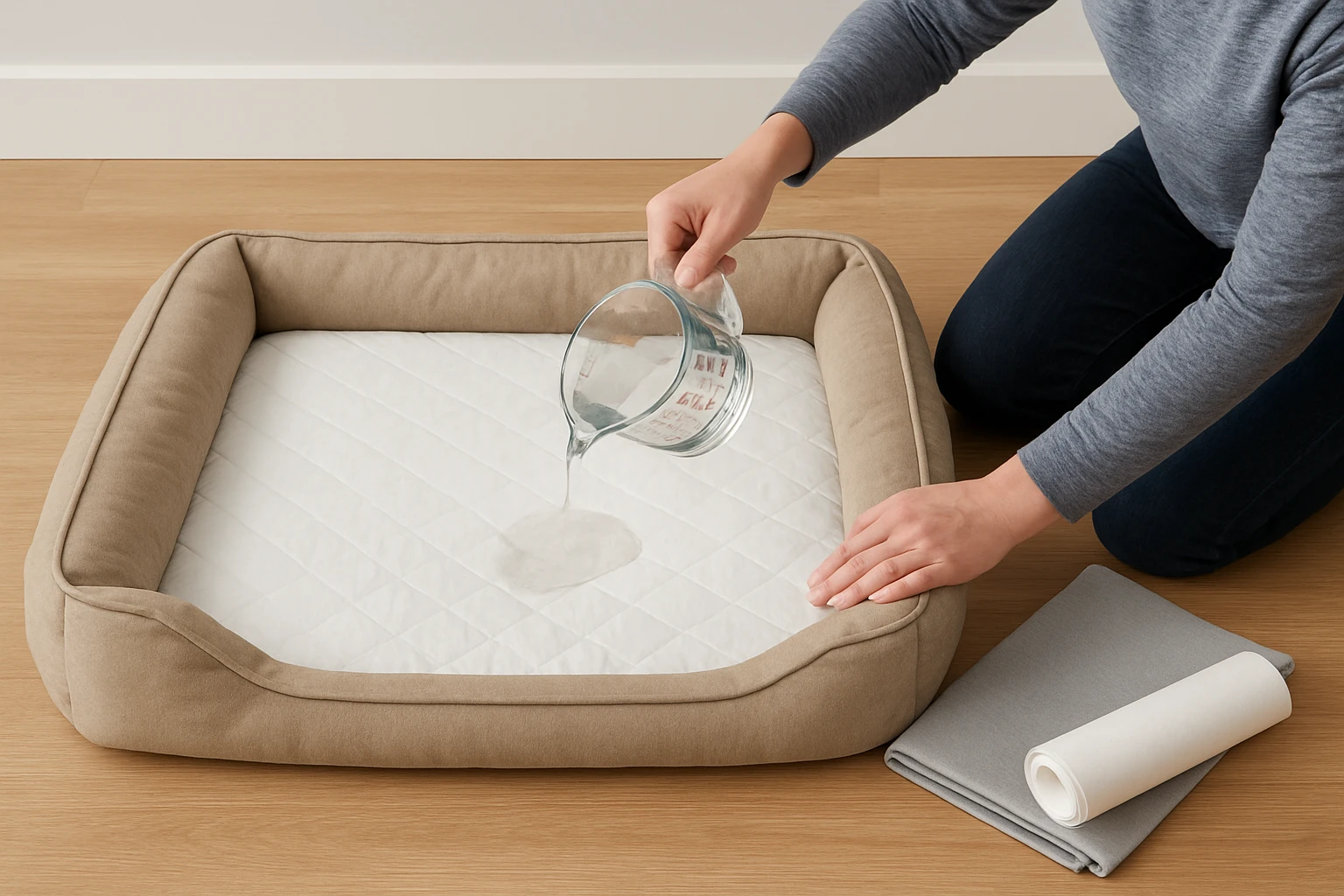

Introduction
One pet owner often faces the challenge of keeping an orthopedic dog bed clean and dry while maintaining comfort. This guide explains how to create a waterproof barrier using inexpensive materials and a proven protective product. The reader will learn how to measure, cut, attach, and maintain a waterproof layer that resists urine, spills, and stains. By following these instructions, one can extend the lifespan of a costly orthopedic mattress without sacrificing the dog’s comfort.
What You'll Need
- Measuring tape or ruler
- Scissors or rotary cutter
- Heavy‑duty fabric glue or waterproof adhesive tape
- Optional: a waterproof mattress protector such as the Softhour Twin Waterproof Mattress Protector
- Basic sewing kit (needle, thread) for a more durable seal
- Clean cloth and mild detergent for preparation
Step 1: Measure and Prepare the Bed
Begin by removing any existing cover from the orthopedic dog bed. Lay the mattress on a flat surface and use a measuring tape to record the length, width, and depth of the sleeping surface. Write down the dimensions, adding two inches to each side to allow for a snug fit around the edges. Once measurements are recorded, clean the mattress surface with a damp cloth to remove dust and debris, allowing it to dry completely before proceeding.
Step 2: Choose a Waterproof Layer
At this stage, one may select a waterproof material that matches the measured dimensions. The Softhour Twin Waterproof Mattress Protector provides a breathable, Pro‑TPU membrane that repels liquids without the stiffness of vinyl. It is priced at $29.95, carries a 4.5‑star rating from 7,929 reviews, and includes a deep‑pocket design that stretches up to 21 inches, making it suitable for most orthopedic dog beds. The protector's cooling yarn construction also helps regulate temperature for the sleeping animal.
If a mattress protector is not available, a heavy‑weight polyethylene sheet or a low‑pile waterproof fabric can serve as an alternative. However, these alternatives often lack breathability, which may cause the dog to overheat during warm nights.
Step 3: Secure the Waterproof Layer
Lay the chosen waterproof material flat on the mattress, aligning it with the recorded dimensions. If using the Softhour protector, stretch the elastic skirt over the mattress edges, ensuring a tight, wrinkle‑free fit. For custom‑cut sheets, trim excess material, then apply waterproof adhesive tape along the perimeter, overlapping the edges by at least one inch. Press the tape firmly to create a sealed border that prevents liquid seepage.
For a more permanent solution, one may sew a hem around the cut edges and then apply fabric glue to the inner seam. This method adds durability and reduces the risk of the waterproof layer shifting during use.
Step 4: Add a Protective Cover
After the waterproof barrier is in place, cover it with a washable fabric cover that matches the dog's aesthetic preferences. A cotton or microfiber duvet cover works well because it is easy to launder and comfortable against the animal's skin. Secure the cover with elastic bands or a zippered closure to keep it from sliding off the mattress.
Regularly washing the outer cover while leaving the waterproof layer untouched maintains hygiene without compromising the barrier. Follow the care instructions on the Softhour protector: machine wash under 30°C, tumble dry on low heat, and avoid bleach, ironing, or dry cleaning.
Tips & Pro Tips
- Measure twice, cut once: accurate measurements prevent material waste and ensure a tight seal.
- Use a double‑layer approach: a thin waterproof sheet beneath the Softhour protector adds an extra safety margin for heavy‑wet accidents.
- Apply a thin layer of silicone sealant to the corners of the waterproof sheet for enhanced leak protection.
- Rotate the dog's sleeping position weekly to distribute wear evenly across the mattress surface.
Troubleshooting
Problem: Moisture accumulates under the waterproof layer, causing a musty odor.
Solution: Ensure the protective cover is breathable and allow the mattress to air out for at least thirty minutes each week. If the odor persists, replace the waterproof sheet, as prolonged exposure may degrade the Pro‑TPU membrane.
Problem: The waterproof layer shifts during the dog's movement.
Solution: Re‑secure the elastic skirt or apply additional adhesive tape along the sides. A snug fit prevents wrinkling and noise that could disturb the animal.
Conclusion
By following the steps outlined in this guide, one can create an effective, budget‑friendly waterproof solution for an orthopedic dog bed. The recommended Softhour Twin Waterproof Mattress Protector offers durability, breathability, and an easy‑fit design that simplifies installation. Maintaining a clean, dry sleeping environment not only protects the investment in the orthopedic mattress but also promotes the health and comfort of the beloved pet.
Products Mentioned in This Guide
Frequently Asked Questions
How can I create a waterproof layer for an orthopedic dog bed without buying a pricey protector?
Cut a sheet of heavy-duty waterproof fabric to the bed’s dimensions, then seal the edges with fabric glue or waterproof tape for a budget-friendly barrier.
What tools are essential for waterproofing a dog bed at home?
You’ll need a measuring tape, scissors or rotary cutter, waterproof adhesive (glue or tape), and optionally a basic sewing kit for extra durability.
Can I use a standard mattress protector on a dog bed, and will it stay in place?
Yes, a twin-size waterproof mattress protector can be trimmed to fit and secured with elastic or tape, providing a snug, leak‑proof cover.
How do I maintain the waterproof coating on the dog bed over time?
Wipe the surface with a damp cloth and mild detergent regularly, and reapply adhesive tape to any lifted edges after several washes.
Will adding a waterproof layer affect my dog’s comfort on the orthopedic mattress?
A thin waterproof fabric adds minimal thickness, preserving the bed’s support while protecting it from urine and spills.