Portable Power Backup for Motorized Pet Stairlifts: The Essential Guide to Batteries, Emergency Power & Installation
Introduction
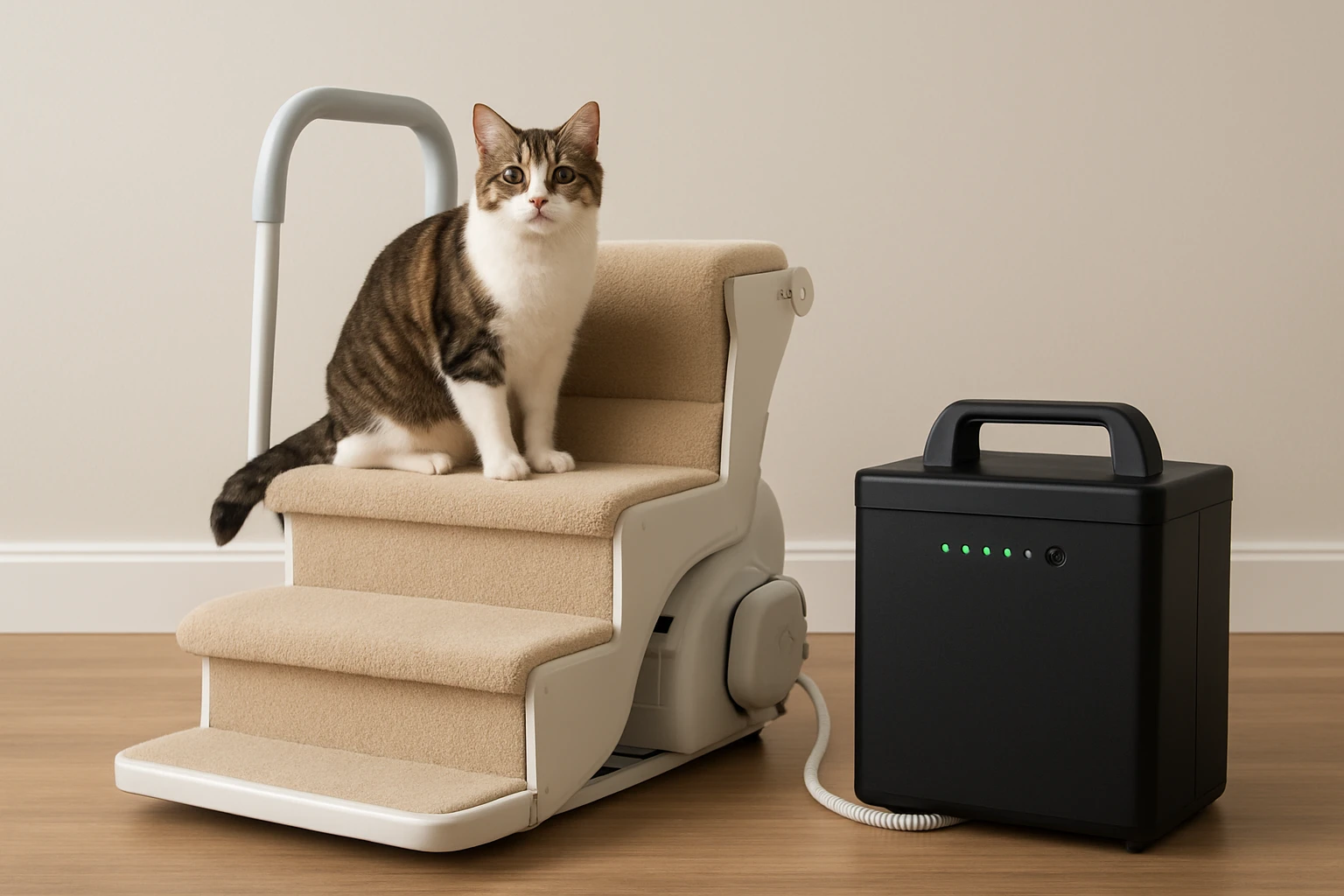
Motorized pet stairlifts provide elderly or mobility‑challenged animals with safe access to elevated areas, yet they depend on reliable electricity. When power outages occur, a stalled stairlift can leave a pet stranded and cause stress for both animal and owner. This guide explains the fundamentals of portable power backup, reviews the most suitable battery solutions, and outlines safe installation practices. Readers will leave with the knowledge to select, install, and maintain a backup system that keeps their stairlift operational during emergencies.
Background and Context
Most modern stairlifts use sealed lead‑acid (SLA) or gel batteries because they deliver high current bursts needed for motor operation. Unlike automotive batteries, these units are maintenance‑free, vibration‑resistant, and designed for deep‑cycle discharge. Understanding the difference between gel, AGM (Absorbed Glass Mat), and traditional flooded batteries is essential when choosing a portable backup. Gel batteries, for example, have a slower self‑discharge rate, making them ideal for standby applications where the stairlift may sit idle for weeks between uses.
In addition to battery chemistry, voltage and amp‑hour (Ah) ratings dictate how long a backup can sustain a stairlift under load. A typical pet stairlift operates at 12 V and draws roughly 2–3 A during normal motion, with occasional peaks up to 5 A when starting. Consequently, a 12 V 7 Ah battery can theoretically provide 2‑3 hours of operation, which is sufficient for short outages and emergency evacuations. Selecting a battery with the correct voltage, capacity, and safety features ensures reliable performance without compromising the stairlift’s warranty.
Key Concepts for Portable Power Backup
Before exploring specific products, it is useful to understand three core concepts: capacity, discharge rate, and safety features. Capacity, measured in amp‑hours, indicates how much energy the battery can store; a higher Ah value translates to longer runtime. Discharge rate, expressed as a C‑rating, describes how quickly the battery can release power; stairlifts require batteries capable of delivering at least a 1C burst to handle motor start‑up. Safety features such as non‑spillable gel paste, vibration resistance, and built‑in over‑charge protection protect both the pet and the surrounding environment.
Another important factor is the terminal type. Many stairlifts use F1 or T1 faston terminals, and a mismatched connector can cause installation delays. When selecting a backup, verify that the terminal style matches the original stairlift battery or that adapters are included. Finally, consider the physical form factor; a compact, sealed unit simplifies storage and reduces the risk of accidental damage during handling.
Recommended Products
Two batteries stand out for portable backup applications due to their gel or AGM construction, robust safety design, and compatibility with popular stairlift models.
- Mighty Max 12V 7Ah Stairlift Battery (2 Pack) – a gel‑type, maintenance‑free solution offering excellent temperature tolerance and a 4.5‑star rating from two reviewers.
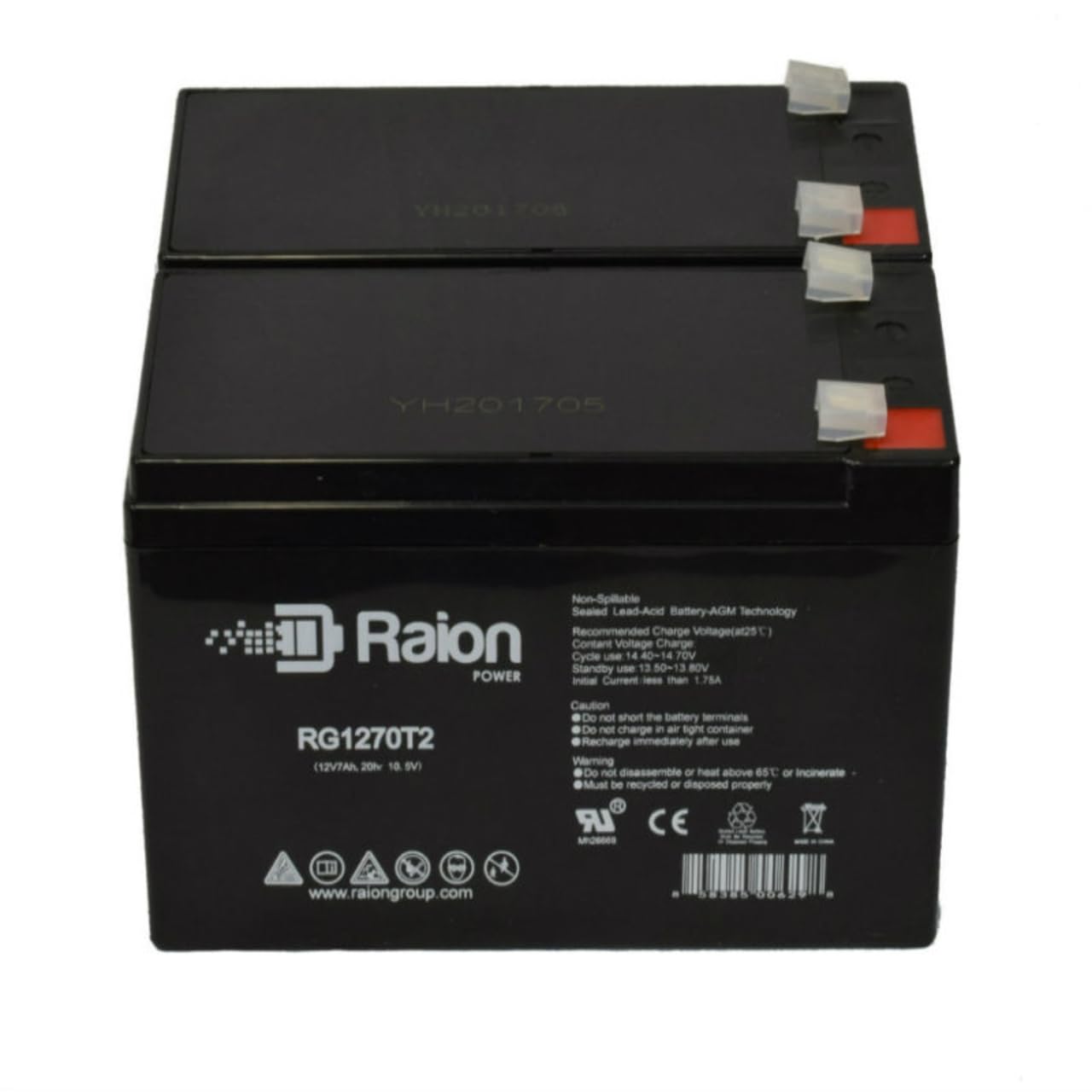
- Raion Power 12V 7Ah Stairlift Battery (2 Pack) – an AGM battery with UL and CE certifications, praised for its rugged ABS case and a perfect 5‑star rating from four reviewers.
Mighty Max 12V 7Ah Stairlift Battery (2 Pack)
The Mighty Max battery utilizes a gel electrolyte that remains non‑spilling even when the unit is inverted, reducing the risk of acid exposure. Its slower self‑discharge rate means the batteries retain charge longer during periods of inactivity, making them a reliable standby choice. The pack includes two 12 V 7 Ah cells, allowing owners to rotate batteries and extend overall service life. With a 4.5/5 rating based on two reviews, users commend the battery’s consistent power delivery in extreme temperatures, from hot summer days to frigid winter nights.
Raion Power 12V 7Ah Stairlift Battery (2 Pack)
Raion Power’s offering employs AGM technology, which traps the electrolyte in a glass mat, delivering a spill‑proof design and superior vibration resistance. The battery is housed in a rugged ABS case that shields against shock, heat, and chemicals, ideal for the demanding environment of a stairlift installation. Certified by UL and CE, the unit meets stringent safety standards, and its 5/5 rating from four reviewers highlights reliability and ease of installation. Priced at $39.99 for the two‑pack, it presents a cost‑effective solution without sacrificing performance.
Comparison and Selection Guide
| Feature | Mighty Max 12V 7Ah (Gel) | Raion Power 12V 7Ah (AGM) |
|---|---|---|
| Battery Chemistry | Gel | AGM |
| Capacity | 7 Ah per cell | 7 Ah per cell |
| Self‑Discharge Rate | Low (gel) | Moderate (AGM) |
| Temperature Tolerance | -20 °C to 60 °C | -10 °C to 55 °C |
| Safety Certifications | None listed | UL, CE, ISO 9001 |
| Price (2‑Pack) | Not provided | $39.99 |
| User Rating | 4.5/5 (2 reviews) | 5/5 (4 reviews) |
When deciding between the two, consider the operating environment and certification requirements. Gel batteries excel in extreme temperature swings and have the lowest self‑discharge, making them suitable for homes with variable climates. AGM batteries, such as the Raion Power model, provide robust mechanical protection and meet international safety standards, which may be required by certain stairlift manufacturers. Budget‑conscious users may prefer the Raion pack due to its transparent pricing, while those prioritizing long‑term charge retention might select the Mighty Max gel cells.
Installation Best Practices & Tips
- Verify Compatibility – Confirm that the replacement battery’s voltage, Ah rating, and terminal type match the original stairlift specifications. Mismatched terminals can be resolved with appropriate adapters, but using the exact type (F1 or T1) reduces installation time.
- Prepare the Mounting Area – Clean the battery compartment of dust and debris, and ensure the surface is level. A secure mounting bracket prevents vibration‑induced wear during stairlift operation.
- Observe Polarity – Connect the positive (+) terminal to the red cable and the negative (–) terminal to the black cable. Reversing polarity can damage the stairlift motor and void the warranty.
- Secure Connections – Use the terminal protectors supplied with the Raion Power pack or tighten the faston connectors on the Mighty Max batteries until they click firmly into place.
- Test the System – After installation, run the stairlift through a full cycle without load, then with a pet on the seat, to confirm consistent power delivery.
- Implement a Maintenance Schedule – Even maintenance‑free batteries benefit from periodic voltage checks. A digital multimeter should read between 12.6 V (full charge) and 12.0 V (low) before each use.
- Store Spare Batteries Properly – If you keep an extra pack for emergencies, store it in a cool, dry location and charge it to 100 % every six months to prevent deep discharge.
Frequently Asked Questions
1. How long will a 12 V 7 Ah battery power a pet stairlift during a blackout?
Assuming an average draw of 2.5 A, a single 7 Ah battery can sustain operation for approximately 2.8 hours. Two batteries in parallel double the runtime, providing up to five hours of backup power.
2. Can I use a car battery as a backup for my stairlift?
Car batteries are designed for short, high‑current bursts and have a high self‑discharge rate, making them unsuitable for the deep‑cycle demands of stairlifts. Gel or AGM batteries are recommended for reliable, long‑term performance.
3. Are gel batteries safer than AGM batteries?
Both chemistries are sealed and spill‑proof. Gel batteries have a non‑spillage gel paste that further reduces the risk of acid leaks, while AGM batteries offer superior vibration resistance. Safety depends more on installation quality than on chemistry alone.
4. What maintenance is required for these batteries?
Maintenance‑free designs require only periodic voltage checks and occasional charging to full capacity if stored for extended periods. Avoid deep discharge below 10.5 V to preserve lifespan.
5. Can I install the backup battery myself?
Yes, provided you follow the manufacturer’s wiring diagram, observe polarity, and secure all connections. If you are uncomfortable with electrical work, consult a certified technician to avoid warranty issues.
6. How do I know when the backup battery needs replacement?
When the battery no longer holds a charge above 12.0 V after a full charge cycle, or when runtime drops by more than 20 % compared to original specifications, it is time to replace the unit.
7. Is it necessary to have a separate charger for the backup battery?
Most stairlift systems include an integrated charger that maintains the primary battery. For a portable backup, a dedicated 12 V SLA charger ensures the spare pack remains fully charged and ready for use.
Conclusion
Portable power backup is a vital component of a reliable motorized pet stairlift system, providing peace of mind during outages and safeguarding the well‑being of beloved animals. By understanding battery chemistry, capacity, and safety features, owners can select a solution that matches their environmental conditions and budget. The Mighty Max gel pack offers excellent temperature resilience, while the Raion Power AGM pack delivers robust protection and certification compliance. Proper installation, regular testing, and diligent maintenance further extend the lifespan of any backup battery, ensuring that the stairlift remains operational whenever it is needed most.
Products Featured in This Guide
Mighty Max 12V 7Ah Stairlift Battery (2 Pack)
Rating: 4.5/5 (2 reviews)
Why featured: Gel technology provides low self‑discharge and reliable performance across extreme temperatures, making it ideal for standby backup.
Raion Power 12V 7Ah Stairlift Battery (2 Pack)
Price: $39.99
Rating: 5/5 (4 reviews)
Why featured: UL‑listed AGM construction in a rugged ABS case delivers superior safety, vibration resistance, and certified quality for demanding stairlift applications.
