
Introduction
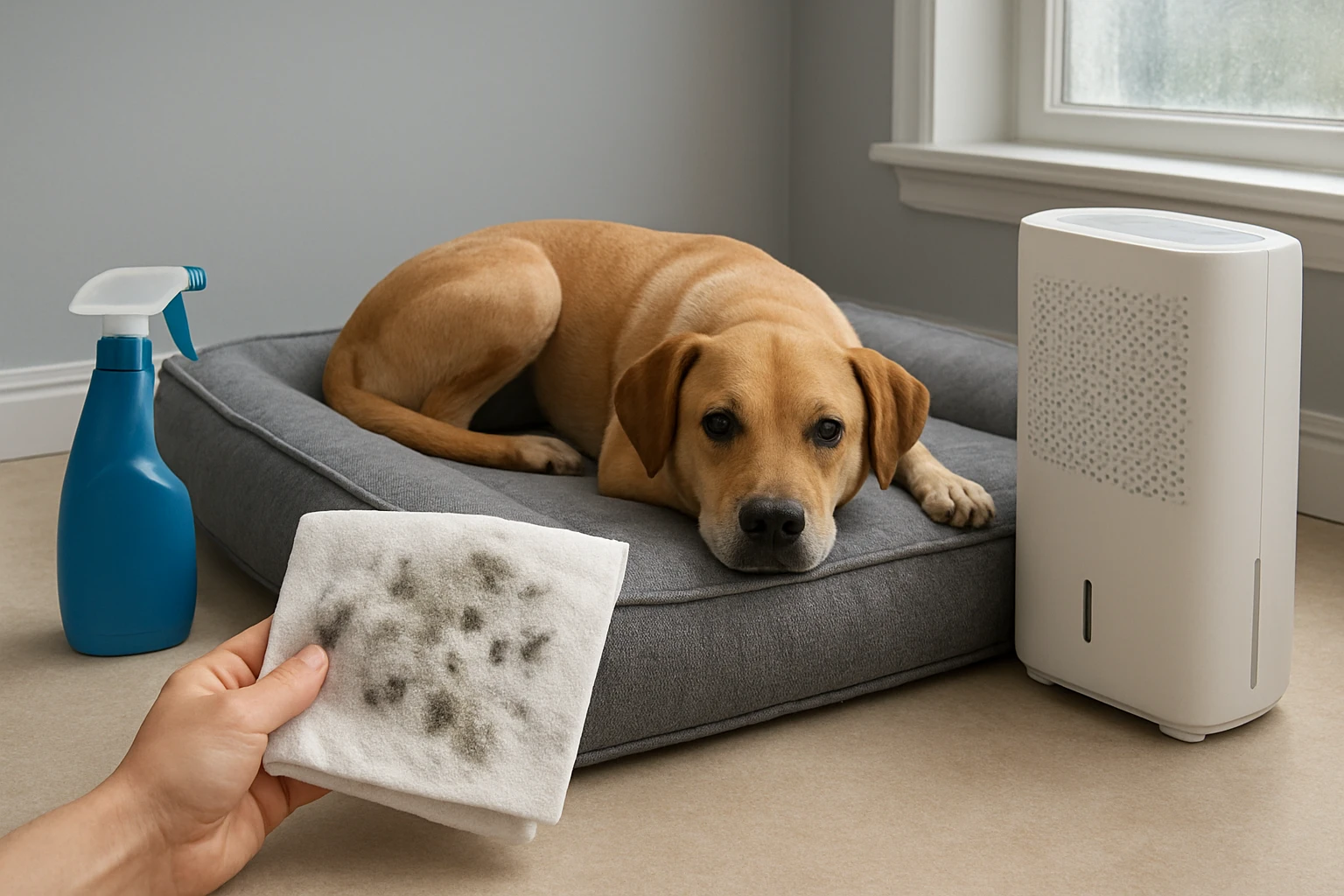
Pet owners who reside in humid regions often confront the challenge of mold and mildew developing on their dogs' sleeping surfaces. Mold not only creates unpleasant odors, but it can also provoke respiratory irritation for both the animal and its human companions. This guide explains ten easy, effective steps that safeguard orthopedic dog beds from fungal growth while preserving comfort and durability. By following the procedures outlined below, one can extend the lifespan of a valuable pet accessory and maintain a healthy environment for the household.
The steps combine routine maintenance, environmental control, and the strategic use of products specifically designed for moisture management. Although the guide is valuable without any purchase, certain tools—such as high‑quality orthopedic dog beds with waterproof features—significantly simplify the process. The reader will leave with a clear, actionable plan and a deeper understanding of why each measure matters.
What You’ll Need
- A breathable, waterproof orthopedic dog bed (e.g., EHEYCIGA Orthopedic Dog Bed or BFPETHOME Orthopedic Dog Bed)
- Non‑slip rubber mat or waterproof floor protector
- Dehumidifier rated for the room size
- Mild detergent or pet‑safe cleaning solution
- Soft brush or vacuum with upholstery attachment
- Clean, dry towels or microfiber cloths
- Zippered, washable cover (included with the beds above)
- Sunlight‑exposed area or well‑ventilated drying space
Step 1: Select a Bed with Integrated Waterproof Protection
The foundation of mold prevention begins with a bed that resists moisture infiltration. The EHEYCIGA Orthopedic Dog Bed features a waterproof film positioned between the fleece surface and the bottom fabric, ensuring that liquid spills do not saturate the memory foam core. Its memory foam and egg‑crate layers provide even pressure distribution, while the removable, washable cover simplifies cleaning. Priced at $39.99 and holding a 4.5‑star rating from 20,863 reviewers, this bed offers both comfort and moisture protection at an affordable price point.
Alternatively, the BFPETHOME Orthopedic Dog Bed incorporates a waterproof lining beneath a soft fluff surface, preventing liquid from reaching the orthopedic foam. It is priced at $35.14 and enjoys a 4.5‑star rating from 4,840 customers. Selecting either product reduces the likelihood of water‑logged foam, which is the primary catalyst for mold growth.
Step 2: Position a Non‑Slip, Moisture‑Barrier Mat Beneath the Bed
Even when a bed possesses a waterproof underside, condensation can collect on the floor and migrate upward. Placing a rubberized, non‑slip mat under the bed creates a secondary barrier that absorbs minor spills and prevents the bed from shifting during sleep. The mat also facilitates airflow beneath the bed, allowing any trapped moisture to evaporate more quickly. Choose a mat that is easy to clean and sized to cover the entire footprint of the dog bed.
Step 3: Regulate Ambient Humidity with a Dehumidifier
Relative humidity above 60 % creates an environment where mold spores thrive. Deploying a dehumidifier in the room where the dog bed resides maintains humidity at an optimal 45‑55 %. Modern dehumidifiers feature digital hygrometers that automatically shut off when the desired level is reached, conserving energy while protecting the bed. Position the unit so that airflow circulates around the bed rather than directly blowing on it, which could dry the surface too rapidly and cause cracking of the foam.
Step 4: Establish a Routine Cleaning Schedule
Regular cleaning removes organic matter—such as skin cells, saliva, and fur—that serves as food for mold. Once a week, remove the zippered cover from the bed and launder it in warm water using a mild detergent. For the foam core, spot‑clean only; excessive moisture can saturate the foam and promote fungal growth. Use a soft brush to dislodge debris, then wipe the surface with a damp cloth lightly saturated with a pet‑safe cleaning solution.
After cleaning, allow the cover to tumble dry on low heat or air‑dry in a well‑ventilated area. Do not tumble dry the foam insert; instead, let it air‑dry completely before replacing the cover.
Step 5: Ensure Complete Drying Before Reassembly
Moisture retained in the foam or cover is the most common cause of mildew formation. After washing, spread the cover flat on a clean surface and pat it dry with towels. Then, place the foam insert in a sunny, breezy spot for at least two hours. Sunlight provides ultraviolet radiation that naturally inhibits mold spores, while airflow accelerates evaporation. If outdoor drying is not feasible, position the bed near a ceiling fan or use a low‑heat hair dryer set on a cool setting to assist the process.
Step 6: Use the Removable, Washable Cover Consistently
The covers supplied with both the EHEYCIGA Orthopedic Dog Bed and the BFPETHOME Orthopedic Dog Bed are designed for frequent removal and laundering. Keeping the cover on the bed at all times protects the underlying foam from direct contact with sweat and drool, both of which increase moisture levels. The zippered closure ensures a snug fit that does not shift during use, thereby maintaining a uniform barrier against humidity.
Step 7: Rotate and Fluff the Bed Weekly
Even distribution of weight prevents localized compression, which can trap moisture and create dark, damp pockets where mold may develop. Rotate the bed 180 degrees each week and gently fluff the foam to restore its original shape. This practice also promotes airflow through the egg‑crate structure, allowing any residual humidity to escape before it can colonize the foam.
Step 8: Store the Bed Properly When Not in Use
If the dog bed must be stored for an extended period—such as during seasonal relocation—place it in a breathable storage bag rather than a sealed plastic container. Sealable plastic bags trap moisture, accelerating fungal growth. Instead, use a canvas or cotton bag that permits air circulation while protecting the bed from dust. Store the bag in a cool, dry location where temperature fluctuations are minimal.
Step 9: Conduct Regular Visual Inspections
Develop a habit of inspecting the bed for early signs of mold, such as discoloration, a musty odor, or a fuzzy texture on the surface or edges. If any of these symptoms appear, remove the cover immediately, clean the affected area with a solution of equal parts water and white vinegar, and allow it to dry thoroughly. Persistent odor after cleaning may indicate deeper fungal penetration, in which case replacing the foam insert is advisable.
Step 10: Maintain Overall Household Ventilation
Beyond the immediate vicinity of the dog bed, overall household ventilation plays a crucial role in mold prevention. Open windows when weather permits, use exhaust fans in kitchens and bathrooms, and consider installing a whole‑house ventilation system if humidity is a chronic issue. Proper airflow reduces ambient moisture, thereby decreasing the risk of mold formation on all soft furnishings, including orthopedic dog beds.
Tips & Pro Tips
- Place a small fan near the bed during rainy seasons to increase air turnover.
- Use a moisture‑absorbing silica gel packet inside the storage bag for added protection.
- Avoid using harsh chemicals such as bleach on the cover; they can degrade the fabric and irritate the pet’s skin.
- Consider adding a thin layer of antimicrobial spray designed for fabrics, following the manufacturer’s instructions.
Troubleshooting
| Problem | Possible Cause | Solution |
|---|---|---|
| Persistent musty smell after cleaning | Moisture trapped inside foam | Remove foam, place in direct sunlight for 4‑6 hours; ensure complete drying before reassembly. |
| Visible black spots on cover | Early mold growth | Wash cover with vinegar solution, dry thoroughly, and increase dehumidifier setting. |
| Bed slipping on floor | Insufficient non‑slip mat | Replace with a larger rubberized mat that matches the bed dimensions. |
Conclusion
By implementing the ten steps detailed above, pet owners can effectively prevent mold and mildew from compromising orthopedic dog beds in humid climates. Selecting a waterproof, breathable bed, regulating indoor humidity, maintaining a disciplined cleaning routine, and ensuring proper drying are the cornerstones of a mold‑free sleeping environment. Consistent vigilance, combined with the recommended tools, will extend the lifespan of the bed, safeguard the pet’s health, and preserve a pleasant household atmosphere.
Products Mentioned in This Guide


Frequently Asked Questions
How often should I clean an orthopedic dog bed to prevent mold in humid areas?
Clean the bed at least once a week with a mild detergent and warm water, then allow it to dry completely before use.
Can a waterproof cover stop mold growth on a dog bed?
Yes, a breathable waterproof cover blocks moisture while allowing air circulation, greatly reducing mold risk.
What humidity level is safe for storing an orthopedic dog bed?
Keep indoor humidity below 60% using a dehumidifier or air conditioner to inhibit fungal growth.
Are natural anti‑mold sprays safe for my dog’s bed?
Food‑grade essential‑oil sprays (e.g., tea tree diluted) are safe in low concentrations and can deter mold without harming pets.
Should I use a dryer or air dryer to dry the bed after washing?
Air‑dry in a well‑ventilated area or use a low‑heat dryer setting; high heat can damage foam while still ensuring thorough drying.
