
Introduction
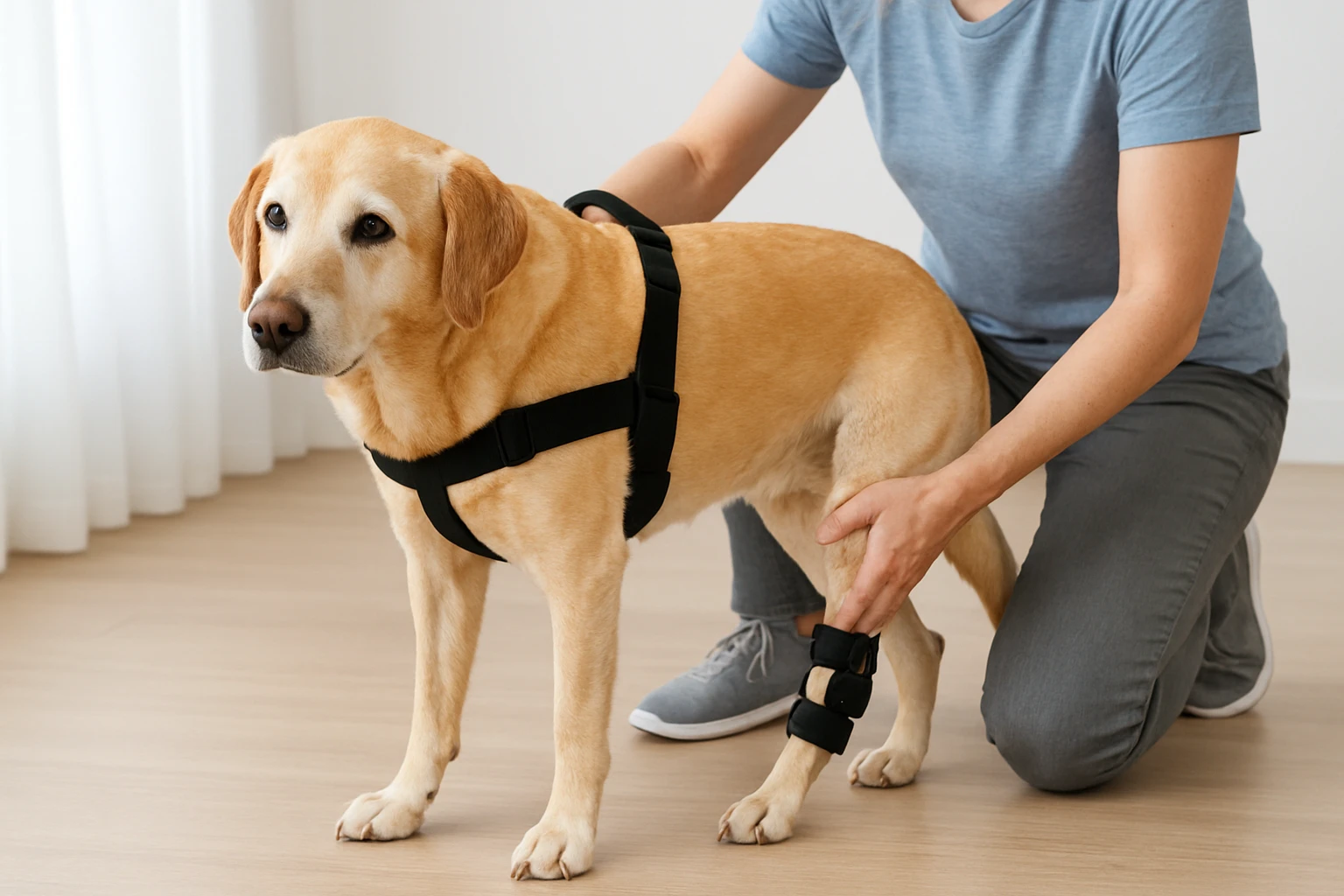
One will learn how to design a gentle, daily mobility routine that supports senior dogs suffering from arthritis. The guide explains why consistent low‑impact exercise, targeted stretches, and pain‑relief tools are essential for maintaining joint health. Readers will discover practical steps that combine veterinary best practices with reliable products such as the Coodeo Dog Lift Harness and the Labra Rear Leg Dog Brace. By following the routine, owners can improve their companion's quality of life while reducing the risk of injury.
What You’ll Need
- Coodeo Dog Lift Harness – breathable full‑body support sling, $44.99, 4.1 stars.
- Labra Rear Leg Dog Brace – adjustable hock joint compression wrap, $19.51, 3.7 stars.
- Non‑slip yoga mat or rubber flooring to provide stable footing.
- Soft towel or blanket for warmth during stretching.
- Gentle canine massage oil or lotion (optional).
Step 1: Assess Your Dog’s Mobility Baseline
Begin by observing your senior dog in a familiar environment, noting any hesitation when rising, climbing stairs, or turning. Record the duration of each movement and any audible signs of discomfort, as this baseline will guide the intensity of subsequent exercises. Consult a veterinarian to confirm that arthritis is the primary concern and to rule out other medical conditions. Document the veterinarian’s recommendations, as they will influence the choice of supportive tools.
Step 2: Create a Safe Exercise Space
Designate a quiet area free of clutter where the dog can move without obstacles. Lay a non‑slip yoga mat to protect joints from hard flooring and to prevent slipping during balance exercises. Ensure the temperature is moderate; extreme cold can exacerbate joint stiffness. Place the Coodeo Dog Lift Harness nearby so it can be quickly employed if the dog requires assistance.
Step 3: Warm‑Up with Gentle Assisted Walking
Warm‑up is critical for increasing synovial fluid circulation, which lubricates arthritic joints. Attach the Coodea Dog Lift Harness to the dog’s front chest strap, allowing the owner to provide light support without bearing the full weight. Walk at a slow pace for three to five minutes, encouraging the dog to take short, relaxed steps. The harness is constructed from breathable, soft materials that keep the dog comfortable for extended wear, and its full‑body support reduces the risk of falls on stairs or uneven surfaces.
Step 4: Incorporate Low‑Impact Stretches
After the warm‑up, guide the dog through gentle stretches that target the hip, shoulder, and hock joints. Use a soft towel to support the hind limb while gently extending the leg backward, holding for five seconds before releasing. Perform three repetitions per side, monitoring for any signs of pain. For dogs with weakened hind legs, the Labra Rear Leg Dog Brace offers additional stability during these movements, preventing overextension and protecting the hock joint.
Step 5: Strengthen Core and Hind‑Leg Muscles
Strengthening the core and hind‑leg muscles helps to offload pressure from arthritic joints. Encourage the dog to perform sit‑to‑stand transitions on the mat, counting each successful rise. Aim for ten repetitions, allowing a brief rest between sets. If the dog struggles to rise, gently support the hind limb with the Labra Rear Leg Dog Brace, which provides compression around the hock joint and distributes weight more evenly.
Step 6: Balance and Proprioception Drills
Balance exercises improve joint stability and reduce the likelihood of falls. Place a low, stable cushion on the mat and invite the dog to place one front paw on it while keeping the other paws on the ground. Hold the position for three seconds and alternate sides. The Coodeo Dog Lift Harness can be used to steady the dog if it becomes unbalanced, ensuring safety without restricting natural movement.
Step 7: Cool‑Down and Massage
Conclude each session with a five‑minute cool‑down walk at a leisurely pace, allowing the heart rate to return to normal. Follow the walk with a gentle massage using a canine‑safe oil, focusing on the shoulders, hips, and hocks. Massage promotes circulation and can alleviate residual soreness. The Labra Rear Leg Dog Brace can remain on the hind leg during massage to maintain gentle compression and support.
Step 8: Daily Routine Scheduling
Consistency is paramount; schedule the mobility routine at the same time each day to establish a predictable pattern for the dog. Aim for two short sessions—morning and evening—each lasting fifteen to twenty minutes. Adjust the duration based on the dog’s energy level and veterinary feedback. Record observations in a journal to track progress and to identify any emerging issues.
Tips & Pro Tips
- Introduce new exercises gradually; abrupt changes can trigger inflammation.
- Keep the Coodeo Dog Lift Harness clean by hand‑washing with mild detergent; this prolongs its breathable qualities.
- Check the Labra Rear Leg Dog Brace for signs of wear, especially around the Velcro straps, and replace if necessary.
- Incorporate omega‑3 supplements, as recommended by a veterinarian, to support joint health from within.
- Use a calm, reassuring voice throughout the routine to reduce anxiety and encourage cooperation.
Troubleshooting
Problem: The dog resists wearing the Coodeo Dog Lift Harness.
Solution: Allow the dog to sniff the harness, then place it loosely for a few seconds while offering treats, gradually increasing wear time.
Problem: The Labra Rear Leg Dog Brace causes skin irritation.
Solution: Ensure the area is clean and dry before application, and place a thin cotton liner between the brace and skin.
Problem: The dog appears fatigued after a session.
Solution: Reduce the number of repetitions and extend the rest period; consult a veterinarian if fatigue persists.
Conclusion
One has learned how to construct a safe, daily mobility routine that combines gentle exercises, targeted stretches, and supportive tools for senior dogs with arthritis. By employing the Coodeo Dog Lift Harness and the Labra Rear Leg Dog Brace at appropriate stages, owners can enhance stability, reduce pain, and promote joint health. Consistent application of the routine will likely result in improved mobility, greater confidence, and a higher overall quality of life for the canine companion. Owners are encouraged to monitor progress, adjust the program as needed, and maintain open communication with their veterinary professional.
Products Mentioned in This Guide
Frequently Asked Questions
How often should I perform the daily mobility routine for a senior dog with arthritis?
Aim for one to two short sessions (10–15 minutes) each day, adjusting based on your dog’s comfort and stamina.
What does the Coodeo Dog Lift Harness do for arthritic dogs?
It provides breathable, full‑body support that helps lift the dog and reduces joint strain during movement.
Is the Labra Rear Leg Dog Brace adjustable for different sizes?
Yes, the brace features adjustable straps to fit a range of hock joint sizes and provide targeted compression.
What surface should I use for the mobility exercises?
A non‑slip yoga mat or rubber flooring offers stable footing and protects joints during low‑impact movements.
Can I use massage oil on my arthritic dog’s joints?
Pet‑safe, unscented massage oils or lotions can soothe muscles, but avoid human or heavily scented products.
