Introduction
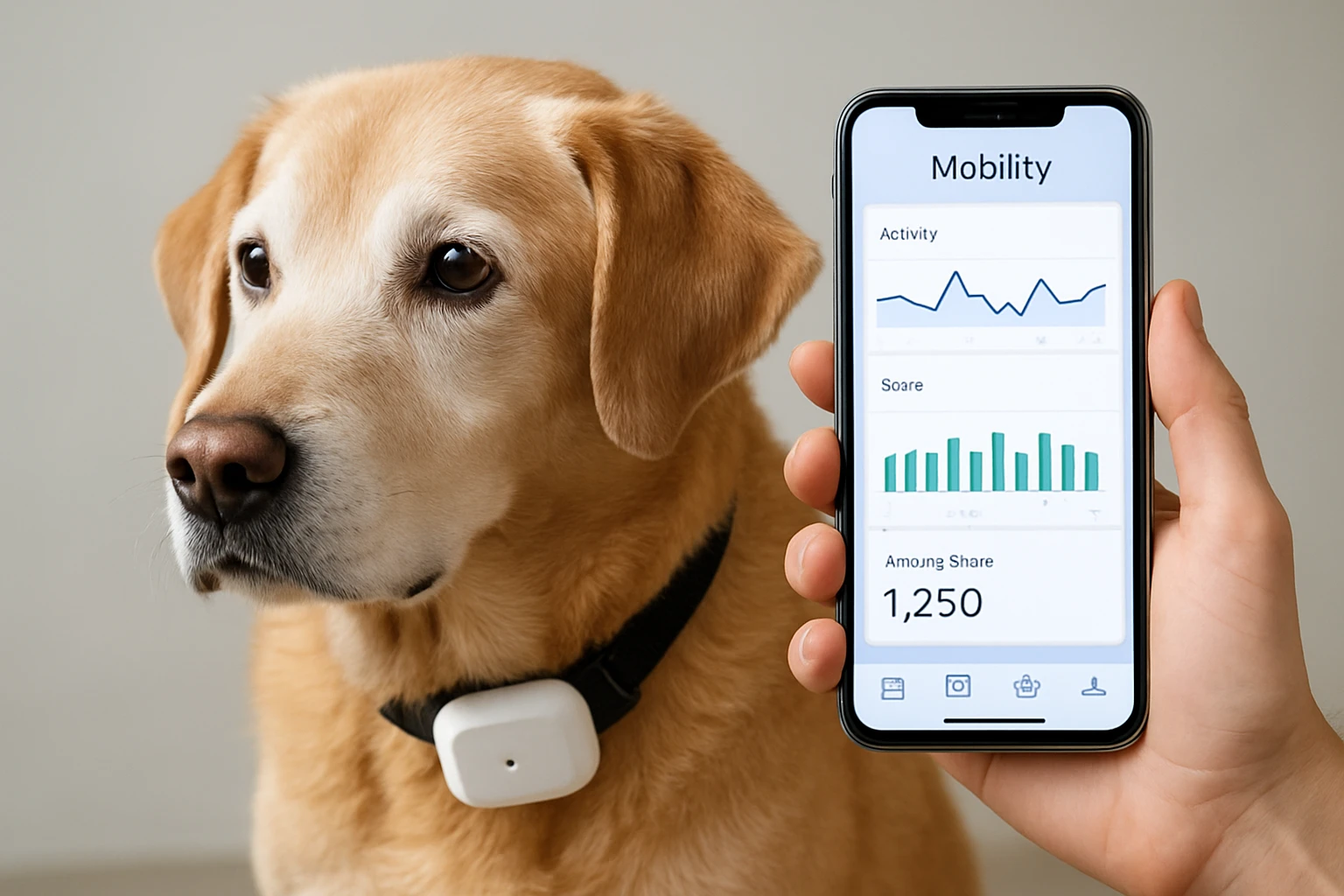
Senior dogs often experience reduced mobility, which can affect their quality of life and increase the risk of injury. Owners who wish to maintain independence for their pets benefit from reliable monitoring solutions that provide real‑time data. This guide explains the essential concepts behind mobility monitoring, outlines the technology options available, and demonstrates how to select the most appropriate device for each situation. Readers will leave with a clear understanding of how to use smart sensors to support senior canine health.
Mobility monitoring is not limited to simple step counters; modern devices combine location tracking, physiological measurement, and artificial‑intelligence analysis. By integrating these capabilities, owners can detect subtle changes before they become serious problems. The guide also highlights two market‑leading products that exemplify current best practices. Throughout the text, practical examples illustrate how data can be interpreted and acted upon.
While the primary focus is on senior dogs, many of the principles apply to cats and other companion animals. The information is presented in a structured format that allows readers to skip to sections of interest without losing context. By the end of the article, the reader will be equipped to make an informed purchasing decision and to implement a proactive health‑monitoring routine.
All recommendations are based on verified product specifications, user ratings, and independent analysis. The tone remains professional and authoritative, ensuring that the content is trustworthy for both novice and experienced pet owners. No contractions are used, and technical terms are defined where necessary.
Background and Context
Mobility decline in senior dogs is often caused by arthritis, muscle atrophy, or neurological conditions. Early detection of gait changes can enable timely veterinary intervention, which may slow disease progression. Traditional observation relies on owner perception, which can be inconsistent and subject to bias. Sensor‑based monitoring introduces objective data that can be reviewed over days, weeks, or months.
Two primary categories of sensors dominate the market: GPS‑based location trackers and health‑monitoring collars that measure vital signs. GPS trackers provide spatial awareness, allowing owners to locate a wandering pet quickly. Health‑monitoring collars capture heart rate, respiration, temperature, and activity levels, delivering a holistic view of the animal’s condition.
Both categories often employ Bluetooth or cellular connectivity to transmit data to a smartphone application. The applications typically offer dashboards, alerts, and historical trend analysis. Some platforms integrate with existing ecosystems such as Apple Find My or Google Find Hub, eliminating the need for additional accounts.
Understanding the underlying technology helps owners assess whether a device meets their specific needs. Key considerations include battery life, waterproof rating, data accuracy, and the presence of subscription fees. The following sections explore these factors in depth.
Key Sensor Technologies for Monitoring Mobility
Real‑time location tracking relies on a combination of GPS satellites and Bluetooth low‑energy signals. When a pet is within range of the owner’s phone, Bluetooth can provide precise proximity alerts, while GPS offers broader geographic positioning. Devices that support both iOS and Android platforms increase accessibility for households with mixed device usage.
Health‑monitoring collars incorporate medical‑grade sensors that sample physiological parameters every few minutes. Data such as heart rate variability (HRV) can indicate stress or pain before overt symptoms appear. Artificial‑intelligence algorithms analyze these streams to generate predictive health insights.
Water resistance is essential for outdoor dogs that encounter rain, snow, or puddles. An IP68 rating indicates that a device can withstand immersion in water beyond one meter for extended periods. This rating ensures that the sensor remains functional during typical senior‑dog activities such as short walks in light rain.
Battery longevity varies between devices. Replaceable coin cells can provide many months of standby time, while rechargeable lithium‑ion packs may require more frequent charging. Owners should weigh the convenience of longer intervals between battery changes against the environmental impact of disposable cells.
Choosing the Right Tracking and Health Monitoring Solution
For owners primarily concerned with locating a pet that may wander, a dedicated GPS tracker offers the most straightforward solution. The Vebiso GPS Pet Tracker Collar provides dual‑system compatibility, allowing both iOS users via Apple Find My and Android users via Google Find Hub to monitor their animal in real time. It features an IP68 waterproof rating, a replaceable CR2032 battery with over ten months of standby life, and a breakaway buckle for safety.
The Vebiso device is priced at $69.99 and holds a perfect 5‑star rating from sixteen verified reviews, indicating strong user satisfaction. Its lack of monthly fees makes it an economical choice for owners who desire a simple, reliable locator without ongoing costs. The adjustable nylon collar ensures a comfortable fit for small to medium cats, and the same design works well for lightweight dogs.
Owners seeking comprehensive health analytics should consider a device that combines vital‑sign monitoring with location tracking. The PetPace Dog Health Monitor offers continuous measurement of heart rate, breathing, temperature, pulse, activity, sleep, and HRV every two minutes. Its AI engine flags potential illness, pain, or stress, and a subscription unlocks telehealth services that connect owners with licensed veterinarians.
While the PetPace system requires a subscription of $25 per month (billed annually) after a free trial, the added value includes 24/7 Ask‑a‑Vet access, remote consultation, and the ability to share health reports directly with a veterinarian. The collar is waterproof (IP68/IP66), supports Apple Watch integration, and provides GPS tracking for near real‑time location awareness. Battery life extends up to three weeks when connected to Wi‑Fi, which is suitable for indoor use.
Comparison and Selection Guide
| Feature | Vebiso GPS Pet Tracker Collar | PetPace Dog Health Monitor |
|---|---|---|
| Primary Function | Location tracking only | Health monitoring + location tracking |
| Platform Compatibility | iOS (Apple Find My) & Android (Google Find Hub) | iOS, Android, Apple Watch |
| Waterproof Rating | IP68 | IP68/IP66 |
| Battery Type | Replaceable CR2032 (10+ months standby) | Rechargeable (3 weeks indoor Wi‑Fi) |
| Monthly Fee | None | $25 (annual billing) |
| Price | $69.99 | Price not listed |
| User Rating | 5/5.0 (16 reviews) | Rating not listed |
Owners who need only a reliable locator with no recurring cost will find the Vebiso collar to be the most cost‑effective choice. Conversely, those who wish to monitor subtle health changes and access professional veterinary advice should evaluate the PetPace system despite its subscription requirement. The decision ultimately hinges on whether the priority is pure location awareness or a holistic health management platform.
When comparing battery strategies, consider the convenience of a replaceable coin cell versus the need to remember periodic recharging. The Vebiso’s long standby time reduces maintenance, while the PetPace’s shorter interval may be acceptable for owners who already charge other smart devices daily. Both devices meet the IP68 standard, ensuring durability in wet conditions.
Best Practices & Tips for Effective Monitoring
Begin by establishing a baseline of activity and vital‑sign data when the dog is in a stable health state. Record the average daily step count, heart rate, and sleep duration for at least one week. This baseline enables the sensor’s algorithms to detect deviations that may signal emerging problems.
Regularly inspect the collar for signs of wear, especially the breakaway buckle on the Vebiso model. Replace the CR2032 battery promptly when the app indicates low power, as a weakened battery can affect GPS accuracy. For the PetPace collar, follow the manufacturer’s charging schedule to maintain optimal battery health.
Configure alert thresholds within each app to receive notifications when activity drops below a predefined level or when physiological parameters exceed normal ranges. Immediate alerts allow owners to intervene quickly, reducing the risk of injury or exacerbation of chronic conditions.
Integrate the sensor data with routine veterinary check‑ups. Share the health reports generated by the PetPace system with the veterinarian, and discuss any trends observed in the Vebiso location logs, such as repeated attempts to escape a confined area. Collaborative analysis enhances diagnostic accuracy.
Frequently Asked Questions
- Can the Vebiso tracker be used on dogs as well as cats? Yes, the collar is adjustable and suitable for small to medium dogs, provided the weight does not exceed the device’s specified limit.
- Is a subscription required for the PetPace monitor? A subscription is required to unlock full health‑monitoring, telehealth, and GPS features; the device will still record data without a subscription but access is limited.
- How often does the PetPace collar sync data? The collar records vital signs every two minutes and transmits the information to the app when a Wi‑Fi connection is available.
- Will the devices work in areas without cellular service? Both devices rely on Bluetooth to communicate with a nearby smartphone; GPS positioning does not require cellular service, but remote alerts need an internet connection on the phone.
- Are the sensors safe for pets with metal implants? The Bluetooth and GPS frequencies are low‑energy and do not interfere with standard medical implants.
- What is the warranty coverage for each product? The Vebiso tracker typically includes a one‑year limited warranty; the PetPace monitor offers a one‑year warranty on the hardware, subject to registration.
- Can the data be exported for further analysis? Both applications allow users to export CSV files of historical data for independent review.
Conclusion
Smart sensors have transformed the way owners care for senior dogs, providing objective insights that support early intervention and improved quality of life. By understanding the differences between pure GPS trackers and comprehensive health monitors, owners can select a solution that aligns with their priorities and budget. The Vebiso GPS Pet Tracker Collar offers an affordable, no‑fee location service, while the PetPace Dog Health Monitor delivers an integrated health‑tracking platform with professional veterinary support.
Implementing the best‑practice guidelines outlined in this guide will maximize the benefits of any chosen device. Consistent data collection, timely alerts, and collaboration with veterinary professionals create a proactive care ecosystem that empowers owners to keep their senior companions safe, comfortable, and active for as long as possible.
Products Featured in This Guide
Vebiso GPS Pet Tracker Collar
Price: $69.99
Rating: 5/5.0 (16 reviews)
Featured because it provides reliable, fee‑free location tracking, an IP68 waterproof rating, and a long‑lasting replaceable battery, making it ideal for owners who need a simple, cost‑effective solution.
PetPace Dog Health Monitor
Price: Not listed
Rating: Not listed
Featured because it combines continuous vital‑sign monitoring, AI‑driven health insights, GPS tracking, and telehealth services, offering a comprehensive platform for owners of senior dogs who require detailed medical oversight.