Introduction
Senior dogs often experience reduced mobility, joint discomfort, and muscle loss as a natural consequence of aging. This guide explains how physical therapy devices can mitigate those challenges, improve quality of life, and support long‑term health. Readers will learn the scientific basis for each modality, how to select the most appropriate equipment, and which complementary products can enhance therapeutic outcomes. By the end of the article, one will be equipped to design a safe, effective home‑based therapy program for an aging canine companion.
Background/Context
Canine musculoskeletal health relies on a balance between cartilage integrity, synovial fluid production, and muscular support around joints. With age, glucosamine synthesis declines, inflammation increases, and connective tissue becomes less resilient. Veterinarians therefore recommend a multimodal approach that combines targeted exercise, nutritional support, and controlled therapeutic loading. Physical therapy devices create a controlled environment that encourages safe joint movement while minimizing excessive stress, thereby promoting cartilage nutrition and muscle preservation.
Scientific studies have demonstrated that low‑impact exercise, such as hydrotherapy, can increase joint range of motion without provoking pain. Likewise, balance platforms stimulate proprioceptive feedback, which helps older dogs maintain coordination. When these modalities are paired with nutraceuticals that supply glucosamine, MSM, and omega‑3 fatty acids, the synergistic effect can be substantial.
Key Physical Therapy Devices for Senior Dogs
1. Passive Range of Motion (PROM) Tools
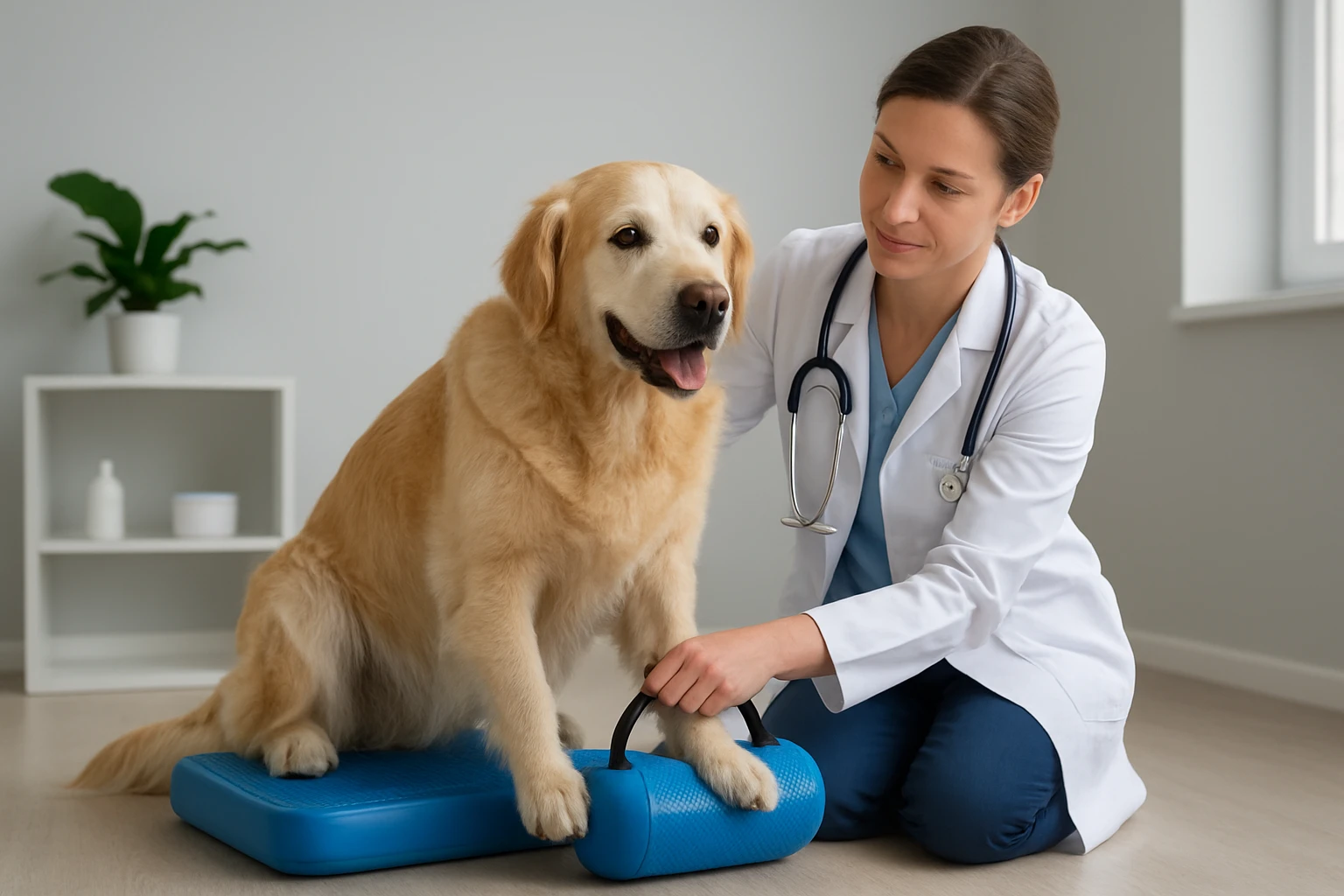
Passive range of motion devices enable owners or therapists to move a dog’s limbs through a controlled arc, encouraging synovial fluid circulation without requiring active muscle contraction. These tools are particularly valuable for dogs recovering from surgery or those with severe arthritis that limits voluntary movement. Typical features include adjustable cuffs, ergonomic handles, and smooth, low‑friction rollers.
When selecting a PROM tool, consider the following criteria:
- Weight capacity suitable for the dog’s size.
- Non‑slip silicone grips to protect skin.
- Ease of cleaning to maintain hygiene.
Although no specific product is listed in the data set, many veterinary supply catalogs offer PROM kits that meet these standards.
2. Hydrotherapy Tubs
Hydrotherapy utilizes buoyancy to reduce weight‑bearing stress while allowing full‑range movement. Water temperature between 30‑34°C (86‑93°F) promotes muscle relaxation and improves blood flow. Modern portable tubs often feature built‑in filtration, adjustable jets, and non‑slip flooring.
Key specifications to evaluate include:
- Capacity: Ensure the tub can comfortably accommodate the dog’s length and girth.
- Material: Reinforced PVC or marine‑grade acrylic provides durability.
- Safety features: Overflow alarms and temperature controls prevent accidental overheating.
Hydrotherapy can be combined with the supplement Pet Honesty Hemp Dog Joint Supplement to address inflammation from within while the dog enjoys low‑impact movement.
3. Underwater Treadmills
Underwater treadmills provide a controlled walking environment where water resistance can be adjusted to match the dog’s fitness level. The treadmill belt moves at a consistent speed, encouraging steady gait patterns, while the surrounding water cushions joints. Research indicates that regular sessions on an underwater treadmill can increase stride length and reduce pain scores in senior dogs with osteoarthritis.
When evaluating an underwater treadmill, look for:
- Adjustable water depth to modify load‑bearing intensity.
- Quiet motor operation to reduce stress.
- Safety rails and emergency stop mechanisms.
Although a specific model is not provided, reputable brands such as AquaDog and HydroDog are widely endorsed by veterinary physiotherapists.
4. Massage Rollers and Vibrating Platforms
Massage rollers apply localized pressure to muscle groups, enhancing circulation and reducing stiffness. Vibrating platforms deliver whole‑body vibration at frequencies between 30‑45 Hz, stimulating proprioceptive receptors and promoting muscle activation without heavy loading. Both modalities are useful for dogs that are reluctant to engage in more vigorous exercise.
Important product attributes include:
- Adjustable intensity levels to accommodate different pain thresholds.
- Non‑slip base to prevent accidental movement.
- Quiet operation to maintain a calm environment.
Pairing these devices with the joint‑support supplement can further alleviate inflammation, as the active ingredients such as turmeric and hemp oil have documented anti‑inflammatory properties.
5. Balance and Proprioception Platforms
Balance platforms challenge a dog’s stability, thereby strengthening the small stabilizer muscles that protect joints. Devices range from wobble boards to inflatable cushions. Regular use improves coordination, reduces the risk of falls, and supports joint alignment.
Selection guidelines include:
- Surface texture that offers enough grip without being abrasive.
- Adjustable height or inflation level for progressive difficulty.
- Portability for easy storage.
When incorporated into a weekly routine, these platforms can complement the nutritional benefits of Pet Honesty Hemp Dog Joint Supplement, creating a holistic approach to joint health.
Comparison/Selection Guide
The following table summarizes the primary attributes of each device category, helping owners match their dog’s specific needs with the most appropriate equipment.
| Device Type | Primary Benefit | Ideal For | Key Considerations |
|---|---|---|---|
| Passive Range of Motion Tools | Improves synovial fluid circulation without active effort | Post‑surgical dogs, severe arthritis | Fit to limb size, gentle grips, easy sanitation |
| Hydrotherapy Tubs | Low‑impact full‑body exercise, muscle relaxation | Dogs that tolerate water, owners seeking home setup | Capacity, temperature control, filtration system |
| Underwater Treadmills | Controlled gait training with adjustable resistance | Active seniors, rehabilitation after joint surgery | Water depth adjustability, safety rails, noise level |
| Massage Rollers & Vibrating Platforms | Enhances circulation, reduces muscle tension | Dogs reluctant to walk, those needing gentle stimulation | Intensity settings, non‑slip base, quiet operation |
| Balance Platforms | Strengthens stabilizer muscles, improves proprioception | Dogs with mild instability, owners wanting progressive training | Adjustable difficulty, surface texture, portability |
When budgeting, start with the most accessible device—such as a balance platform or massage roller—and progress to more complex equipment like hydrotherapy tubs as needed. Always consult a veterinarian before introducing new equipment, especially for dogs with pre‑existing conditions.
Best Practices & Tips
Implementing a physical therapy program requires consistency, safety, and observation. The following guidelines ensure optimal outcomes:
- Start Slow: Begin each session with a brief warm‑up, such as gentle leash walks, to increase blood flow.
- Monitor Pain Signals: Watch for vocalization, avoidance behavior, or altered gait; discontinue the activity if pain appears.
- Maintain Consistency: Short, daily sessions (10‑15 minutes) are more beneficial than occasional long workouts.
- Integrate Nutrition: Provide a high‑quality joint supplement like Pet Honesty Hemp Dog Joint Supplement to support cartilage repair and reduce inflammation.
- Document Progress: Keep a log of session duration, device used, and any observed changes in mobility or behavior.
- Ensure Proper Environment: Use non‑slip mats, keep water temperature stable, and eliminate distractions that could cause the dog to lose focus.
Regular veterinary check‑ups are essential to adjust the program based on the dog’s evolving condition. Veterinarians can also perform gait analysis and recommend specific device settings.
Frequently Asked Questions
1. How often should a senior dog use hydrotherapy?
Three to four sessions per week, each lasting 15‑20 minutes, typically provide measurable improvements without overloading the joints.
2. Can I use a human massage roller on my dog?
Yes, provided the roller has a gentle surface and the dog is comfortable. Always start with the lowest intensity and observe the dog’s reaction.
3. Is an underwater treadmill safe for all breeds?
Most breeds tolerate it well, but brachycephalic dogs (short‑nosed) may experience breathing difficulties in humid environments; consult a veterinarian first.
4. How does the hemp supplement help with joint health?
The supplement combines glucosamine, MSM, turmeric, and hemp oil, which together support cartilage synthesis, reduce inflammatory mediators, and provide antioxidant protection.
5. What signs indicate that therapy is working?
Improved willingness to climb stairs, longer play sessions, smoother gait, and reduced vocalization during movement are positive indicators.
6. Do I need professional supervision for home therapy?
Initial guidance from a veterinarian or certified canine rehabilitation therapist is recommended, after which many owners can safely continue the program at home.
7. Can therapy replace medication?
Physical therapy can reduce reliance on pain medication but should not replace prescribed drugs without veterinary approval.
Conclusion
Physical therapy devices offer senior dogs a pathway to maintain mobility, reduce pain, and enjoy a higher quality of life. By understanding the scientific rationale, selecting appropriate equipment, and integrating supportive nutrition such as Pet Honesty Hemp Dog Joint Supplement, owners can create a comprehensive, veterinarian‑endorsed regimen. Consistent application, careful monitoring, and regular veterinary consultation form the cornerstone of successful canine rehabilitation.
Products Featured in This Guide
Pet Honesty Hemp Dog Joint Supplement
Price: $42.99
Rating: 4.4 out of 5 stars (18,187 reviews)
Why featured: This supplement provides glucosamine, MSM, turmeric, and hemp oil, which complement physical therapy by reducing inflammation and supporting cartilage health, making it an ideal nutritional partner for the devices discussed.