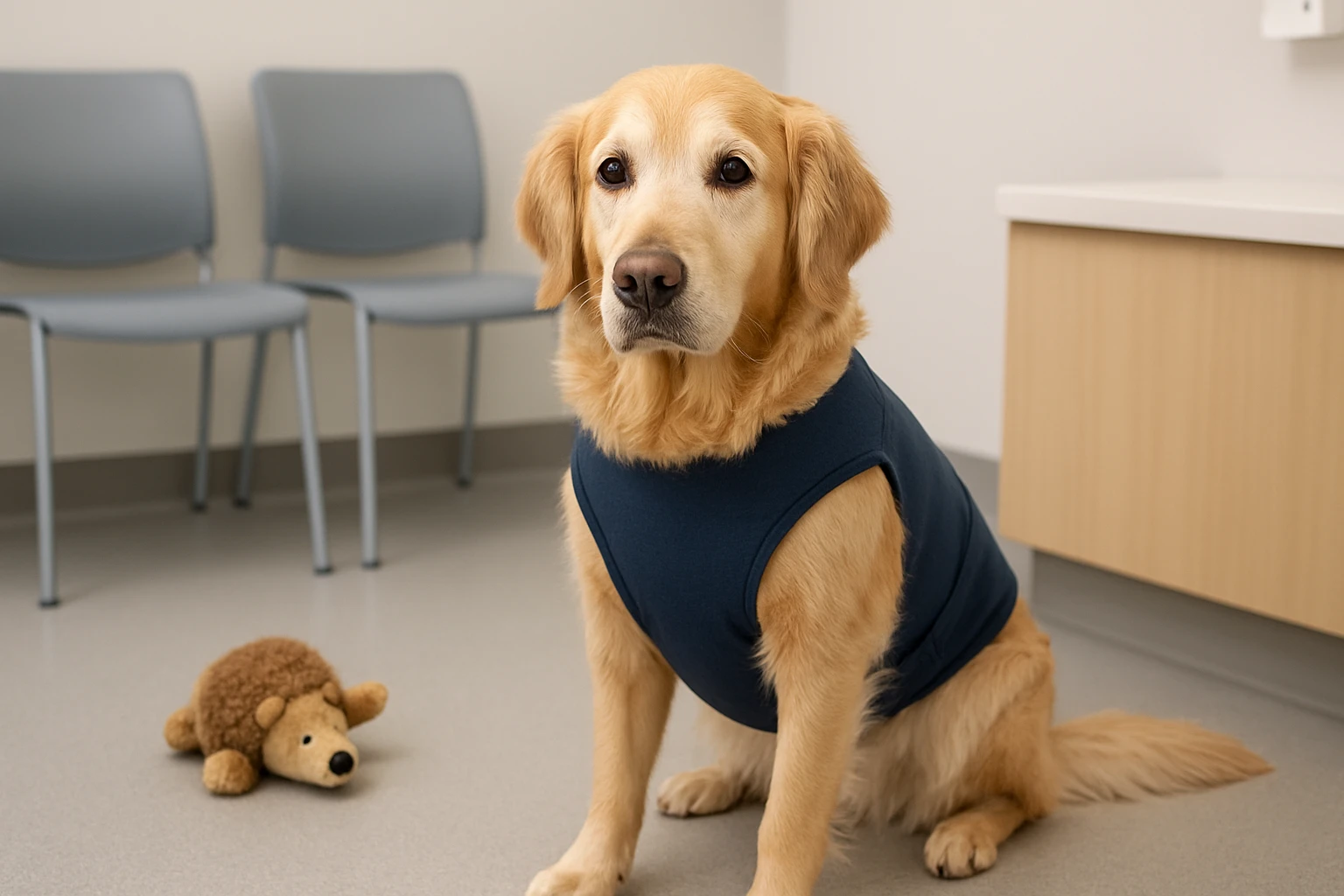

Introduction
Senior dogs often experience heightened stress when faced with the unfamiliar sights, sounds, and smells of a veterinary waiting room. Their sensory perception may be reduced, yet anxiety can manifest as trembling, excessive panting, or even aggression, making the visit challenging for both pet and owner.
Veterinarians recommend a combination of environmental management, behavioral conditioning, and targeted products to create a calmer experience. By integrating proven tools such as calming toys and pressure vests, owners can transform a potentially traumatic event into a manageable routine, thereby improving health outcomes and strengthening the human‑animal bond.
1. Simulate a Familiar Heartbeat with a Calming Toy
One of the most effective ways to reduce separation anxiety in senior dogs is to provide a source of rhythmic comfort. The WEOK Heartbeat Puppy Toy emits a gentle pulsing beat that mimics a living companion, helping dogs feel less isolated while waiting.
This plush toy requires three AAA batteries (not included) and is machine washable after the heartbeat module is removed. Priced at CAD31.79 and boasting a 4.2‑star rating from over 6,200 reviewers, owners frequently note that the toy "helps my older lab relax within minutes" and "makes the waiting room feel like home."
By placing the toy in a carrier or on the floor, the dog receives continuous auditory and tactile feedback, which can lower cortisol levels and promote a steadier heart rate.
2. Apply Gentle, Uniform Pressure with a Vest
Pressure therapy is a cornerstone of veterinary anxiety management. The Thundershirt Dog Anxiety Vest XL delivers a calming, swaddling‑like pressure around the torso, which has been shown to reduce fear responses in up to 85% of dogs.
Constructed from breathable, machine‑washable fabric, the vest is adjustable to fit large senior breeds comfortably. It retails for $54.99 and carries a 4.3‑star rating based on more than 21,000 reviews. Many owners report that their dogs "stop trembling during thunderstorms" and "remain calm during vet exams" when the vest is worn.
Because the vest does not rely on medication, it is safe for dogs with age‑related health concerns such as arthritis or heart conditions.
3. Create a Predictable Routine Before the Visit
Dogs thrive on routine. Introducing a short pre‑visit walk, followed by a brief period of play with the WEOK Heartbeat Puppy Toy, establishes a predictable sequence that can diminish anticipatory anxiety. Consistency signals to the senior dog that the upcoming experience follows a familiar pattern, reducing the unknown factor that often triggers stress.
Veterinarians suggest practicing the routine at home at least three times before the actual appointment, gradually increasing the duration of each step. This method aligns with the principle of desensitization, a technique widely endorsed in veterinary behavior literature.
4. Use a Calm, Low‑Noise Carrier
A carrier that muffles external sounds can be a sanctuary for senior dogs. Placing the WEOK Heartbeat Puppy Toy inside the carrier adds an extra layer of auditory comfort. The combined effect of a quiet enclosure and a rhythmic heartbeat can lower the dog's startle response to sudden noises such as doors closing or other animals barking.
When selecting a carrier, choose one with padded walls and ventilation holes that do not compromise acoustic insulation. This simple adjustment can transform a chaotic waiting area into a personal, soothing space.
5. Incorporate Aromatherapy with Veterinary‑Safe Scents
Research indicates that certain essential oils, when used in low concentrations, can have a calming effect on canines. A few drops of lavender or chamomile placed on a cloth inside the carrier (never directly on the dog’s skin) can complement the soothing pulse of the WEOK Heartbeat Puppy Toy.
Veterinarians caution that senior dogs with respiratory issues should be monitored closely. When combined with the rhythmic heartbeat and a snug vest, aromatherapy can create a multi‑sensory calming environment that addresses both auditory and olfactory pathways.
6. Offer a High‑Value Treat as Positive Reinforcement
Pairing a favorite treat with the activation of the Thundershirt Dog Anxiety Vest XL can reinforce the vest as a positive cue rather than a restrictive garment. Senior dogs often associate treats with comfort, so delivering a small, low‑calorie reward each time the vest is fastened helps build a favorable association.
Choose treats that are easy to chew and low in sodium, especially for dogs with heart or kidney concerns. Over time, the dog will begin to anticipate calmness rather than stress when the vest is applied.
7. Practice Short, Simulated Vet Exams
Role‑playing a brief examination at home while the dog wears the Thundershirt and has the WEOK Heartbeat Toy nearby can desensitize senior dogs to the clinical environment. Gently lift a paw, examine ears, and speak in a soothing tone for 30 seconds, then reward.
This exposure therapy reduces the novelty of the actual veterinary visit. When the real appointment arrives, the senior dog recognizes the procedures as familiar, which can dramatically lower heart rate spikes.
8. Schedule Appointments During Quiet Hours
Many veterinary clinics have peak times when the waiting room is crowded and noisy. Booking an early‑morning or late‑afternoon slot can minimize auditory overstimulation. Combining a quiet appointment time with the calming influence of the Thundershirt and the Heartbeat Toy maximizes the likelihood of a stress‑free experience.
Veterinary staff often appreciate the reduced crowd as well, allowing them to devote more attention to senior patients.
9. Communicate Your Dog’s Specific Needs to the Clinic
Inform the veterinary team about the use of the Thundershirt Dog Anxiety Vest XL and the WEOK Heartbeat Puppy Toy. Many clinics are willing to accommodate these items on the examination table, providing a familiar touchpoint for the senior dog.
Providing a brief note about the dog's age‑related sensitivities—such as arthritis, hearing loss, or vision decline—helps the staff adjust handling techniques, further reducing anxiety triggers.
10. Provide Post‑Visit Recovery Time
After the appointment, allow the senior dog to unwind in a calm environment. Continue using the Thundershirt for a short period and place the Heartbeat Toy nearby to sustain the soothing effects. A brief walk or gentle massage can also help the dog transition back to normal routine.
Consistent post‑visit care reinforces the message that veterinary visits are not threatening, which can improve future compliance and overall health monitoring.
Comparison Table
| Product | Price | Rating | Key Feature |
|---|---|---|---|
| WEOK Heartbeat Puppy Toy | CAD31.79 | 4.2/5 (6,221 reviews) | Simulated heartbeat for anxiety relief |
| Thundershirt Dog Anxiety Vest XL | $54.99 | 4.3/5 (21,098 reviews) | Gentle pressure wrap, drug‑free calming |
Conclusion
Reducing vet waiting room anxiety in senior dogs requires a multifaceted approach that blends routine, environmental control, and scientifically backed products. By incorporating the rhythmic comfort of the WEOK Heartbeat Puppy Toy and the calming pressure of the Thundershirt Dog Anxiety Vest XL, owners can create a supportive atmosphere that respects the unique needs of aging companions.
Implementing the ten strategies outlined above not only eases the immediate stress of veterinary visits but also promotes long‑term emotional resilience, leading to better health outcomes and a stronger bond between senior dogs and their caregivers.
Frequently Asked Questions
Why do senior dogs get more anxious in veterinary waiting rooms?
Age‑related sensory decline and reduced coping abilities make unfamiliar sights, sounds, and smells more stressful for senior dogs.
How does a heartbeat‑simulating toy help reduce a senior dog's anxiety?
The rhythmic pulsing mimics a living companion, providing comforting background noise that eases separation stress.
Can a pressure vest calm a senior dog during a vet visit?
Yes, gentle, constant pressure from a vest can soothe the nervous system and lower signs of anxiety like panting or trembling.
What environmental tricks can owners use while waiting for the vet?
Bring a familiar blanket, keep the dog on a leash, and use calming music or white noise to mask stressful clinic sounds.
Are there any quick conditioning techniques to prepare senior dogs for vet visits?
Short, frequent trips to the clinic for treats or petting, combined with the calming toy, gradually desensitizes the dog to the waiting area.
