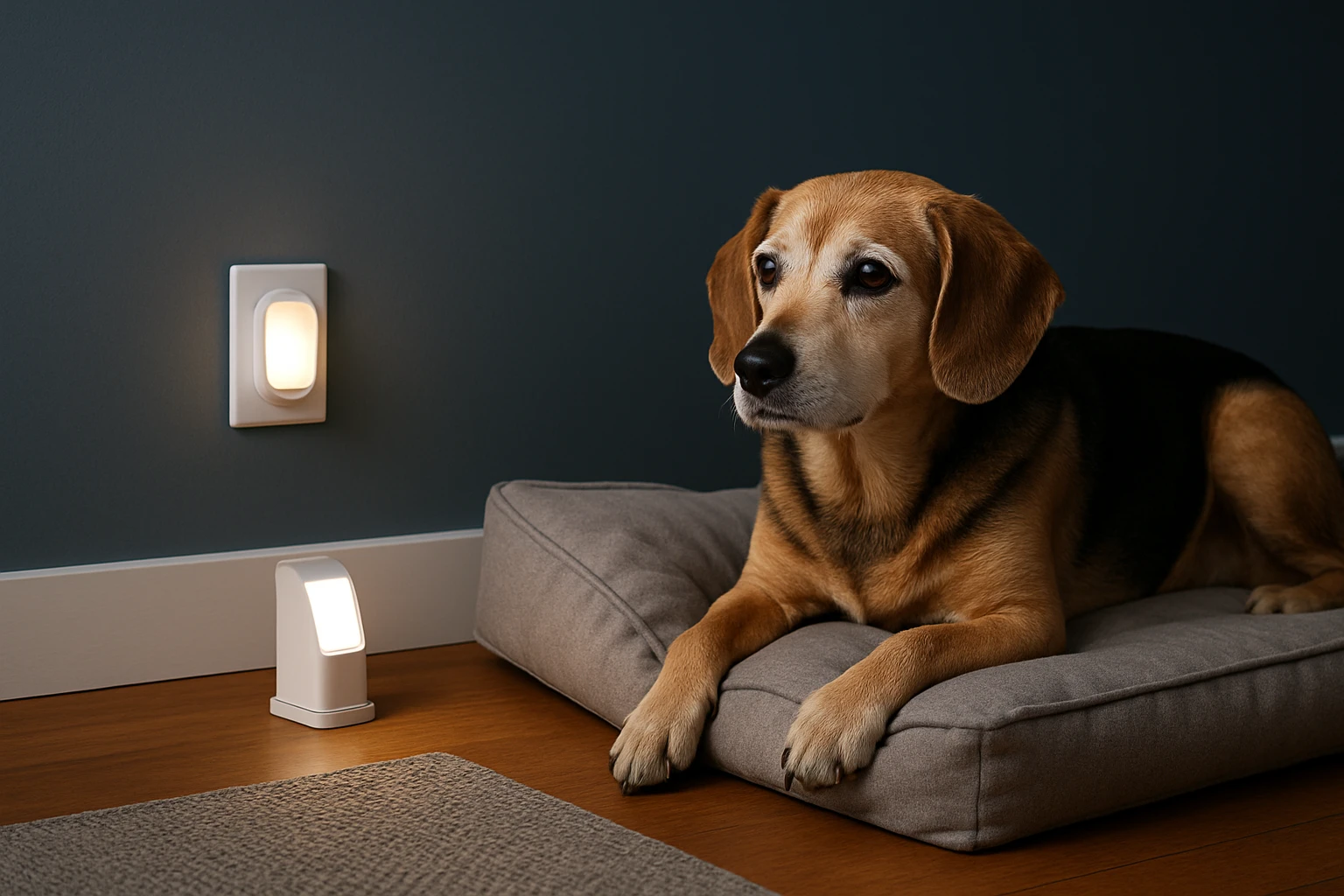
How to Create a Nighttime Mobility Plan for Senior Dogs: 8 Simple Steps to Prevent Falls and Improve Comfort
Introduction
Senior dogs often experience reduced coordination, joint pain, and vision loss that make nighttime navigation hazardous. This guide teaches readers how to design a comprehensive mobility plan that reduces the risk of falls, eases anxiety, and supports overall well‑being. By following eight clear steps, caregivers will create a safe environment, select appropriate assistive tools, and establish routines that promote confidence after dark. The information is valuable for anyone who wants to preserve a beloved dog’s independence while protecting both pet and owner from injury.
What You'll Need
- Adjustable rear‑leg lift harness (Pick for Life Dog Lift Harness)
- Magic‑tape sling support (S‑Etovus Dog Sling Support)
- Multi‑purpose body support harness (Ownpets Dog Sling Harness)
- Compact telescoping ramp (PetSafe Telescoping Dog Ramp)
- Non‑slip floor mats, low‑level lighting, and a few basic tools such as a measuring tape and scissors.
Step 1: Assess the Home Environment
The first task is to walk through each area where the dog moves after sunset and note obstacles, uneven flooring, and lighting gaps. Use a flashlight to simulate low‑light conditions and observe whether the dog hesitates at thresholds or stairs. Document the height of each step and the width of doorways, because these measurements will determine the appropriate size of assistive devices. A thorough assessment prevents unnecessary purchases and ensures that later steps address the most critical hazards.
Step 2: Install Low‑Level, Non‑Glare Lighting
Senior dogs rely heavily on visual cues; soft amber night lights placed near stairs, the bed, and the bathroom create gentle illumination without startling the animal. Choose LED lights with a dimmer function so the brightness can be adjusted as the dog’s vision changes. Ensure that cords are secured out of reach to avoid tripping hazards for both pet and owner. Proper lighting reduces the likelihood of missteps, especially on slick surfaces.
Step 3: Add Non‑Slip Floor Coverings
Hard floors become treacherous when moisture or dust accumulates. Apply rubberized non‑slip mats in high‑traffic zones such as the kitchen and hallway. Trim the mats to fit snugly around furniture legs, preventing bunching that could create new trip points. These mats also provide a comfortable surface for dogs with arthritic pads, decreasing the stress on their joints during nighttime movements.
Step 4: Provide Rear‑Leg Support with a Lift Harness
When a senior dog struggles to rise from a lying position or climb stairs, a rear‑leg lift harness offers critical assistance. The Pick for Life Dog Lift Harness features padded handles, synthetic fleece lining, and adjustable straps that accommodate dogs from medium to large sizes (49‑68 inches). Priced at $19.99 and rated 4.5 stars by over 5,300 reviewers, it provides a stable grip for two‑person lifts and reduces strain on the caregiver’s back. The harness stabilizes the spine and gait, making it ideal for post‑operative recovery or chronic hind‑leg weakness.
Step 5: Use a Sling Support for Additional Stability
For dogs that need extra balance while navigating steps or getting into a vehicle, a sling that distributes weight across the belly is advantageous. The S‑Etovus Dog Sling Support incorporates magic‑tape closures, a reinforced steel ring, and a soft faux rabbit‑fur lining that prevents skin bruising. At $22.99 with a 4.4‑star rating, it offers adjustable straps and removable neoprene handles, allowing caregivers of different heights to customize the lift. This product excels in situations where the dog must be lifted onto a car seat or over a threshold without compromising comfort.
Step 6: Employ a Full‑Body Support Harness for Versatile Assistance
When the senior dog requires both hind‑leg and front‑leg support, a full‑body harness provides comprehensive stability. The Ownpets Dog Sling Harness combines waterproof oxford outer fabric with breathable mesh interior, shock‑proof sponges, and multiple wearing options (crossbody, shoulder, or as a leash). Priced at $36.99 and holding a 4.1‑star rating, it can be used as an anxiety vest, a grooming hammock, or a simple lift aid. Its modular design makes it suitable for dogs recovering from surgery, those with arthritis, or pets that need occasional assistance during nighttime bathroom trips.
Step 7: Install a Telescoping Ramp for Elevated Entry Points
Many senior dogs find it difficult to jump onto car seats, raised beds, or porch steps. A lightweight, collapsible ramp eliminates the need for repeated lifting. The PetSafe Telescoping Dog Ramp extends from 28 to 70 inches, supports up to 300 lb, and weighs only 14 lb. Its high‑traction aluminum surface and rubber foot grips ensure a secure climb, while the three‑section design folds to a compact 28‑inch length for storage. At $124.99 with a 4.3‑star rating, it is a durable solution for vehicles, decks, or indoor platforms, allowing the dog to ascend and descend safely after dark.
Step 8: Establish a Consistent Nighttime Routine
Consistency reinforces confidence. Schedule a brief pre‑bedtime walk to encourage the dog to use the newly installed lighting, mats, and ramp. Follow the walk with a gentle stretch using the lift harness or sling if the dog appears stiff. Offer a comfortable, orthopedically supportive bed positioned away from drafts and near the night light. Reinforce positive behavior with calm praise, and record any difficulties to adjust the plan as the dog ages. A predictable routine reduces anxiety and makes the assistive tools feel like natural extensions of care.
Tips & Pro Tips
- Measure the dog’s girth and leg length before purchasing any harness; an ill‑fitting device can cause chafing.
- Introduce each new tool gradually during daylight hours to allow the dog to associate it with safety.
- Use a low‑profile night light with a motion sensor to conserve battery life while providing illumination only when needed.
- Apply a silicone‑based lubricant sparingly to the telescoping ramp’s sliding joints to maintain smooth operation without attracting dust.
- Store harnesses and slings in a breathable bag to prevent mildew when not in use.
Troubleshooting
Problem: The dog resists stepping onto the ramp.
Solution: Place a favorite treat at the far end of the ramp and guide the dog with a calm voice. Gradually increase the distance as confidence builds.
Problem: Harness straps loosen during a lift.
Solution: Double‑check that all buckles are fully engaged and use the drawstring bag to keep the harness compact when not in use, preventing accidental loosening.
Problem: Non‑slip mat slides on hardwood.
Solution: Apply a thin layer of double‑sided carpet tape underneath the mat to secure it without damaging the floor.
Conclusion
Creating a nighttime mobility plan for senior dogs involves assessing the environment, enhancing illumination, adding non‑slip surfaces, and selecting the right assistive tools. By following the eight steps outlined above, caregivers can dramatically reduce the risk of falls, ease joint pain, and preserve the dog’s confidence after dark. The recommended products—each chosen for durability, comfort, and positive user feedback—serve as reliable allies in this process. Implement the routine today, and enjoy many more safe, happy evenings with a beloved companion.
Products Mentioned in This Guide
Frequently Asked Questions
What signs indicate my senior dog needs a nighttime mobility plan?
Frequent stumbling, slowed movement, vision loss, or anxiety when the lights go out are clear indicators.
How can I make my home safer for a senior dog at night?
Add low‑level night lights, remove obstacles, use non‑slip rugs, and keep pathways clear of toys or cords.
Which assistive devices work best for nighttime mobility?
Adjustable rear‑leg lift harnesses, magic‑tape sling supports, and multi‑purpose body harnesses provide stability and lift in low‑light conditions.
How often should I check the fit of a rear‑leg lift harness?
Inspect and adjust the harness daily, especially after meals or activity, to ensure a snug but comfortable fit.
Can a nighttime mobility plan reduce my senior dog's anxiety?
Yes, a consistent, well‑lit environment with supportive gear helps the dog feel secure and less stressed after dark.