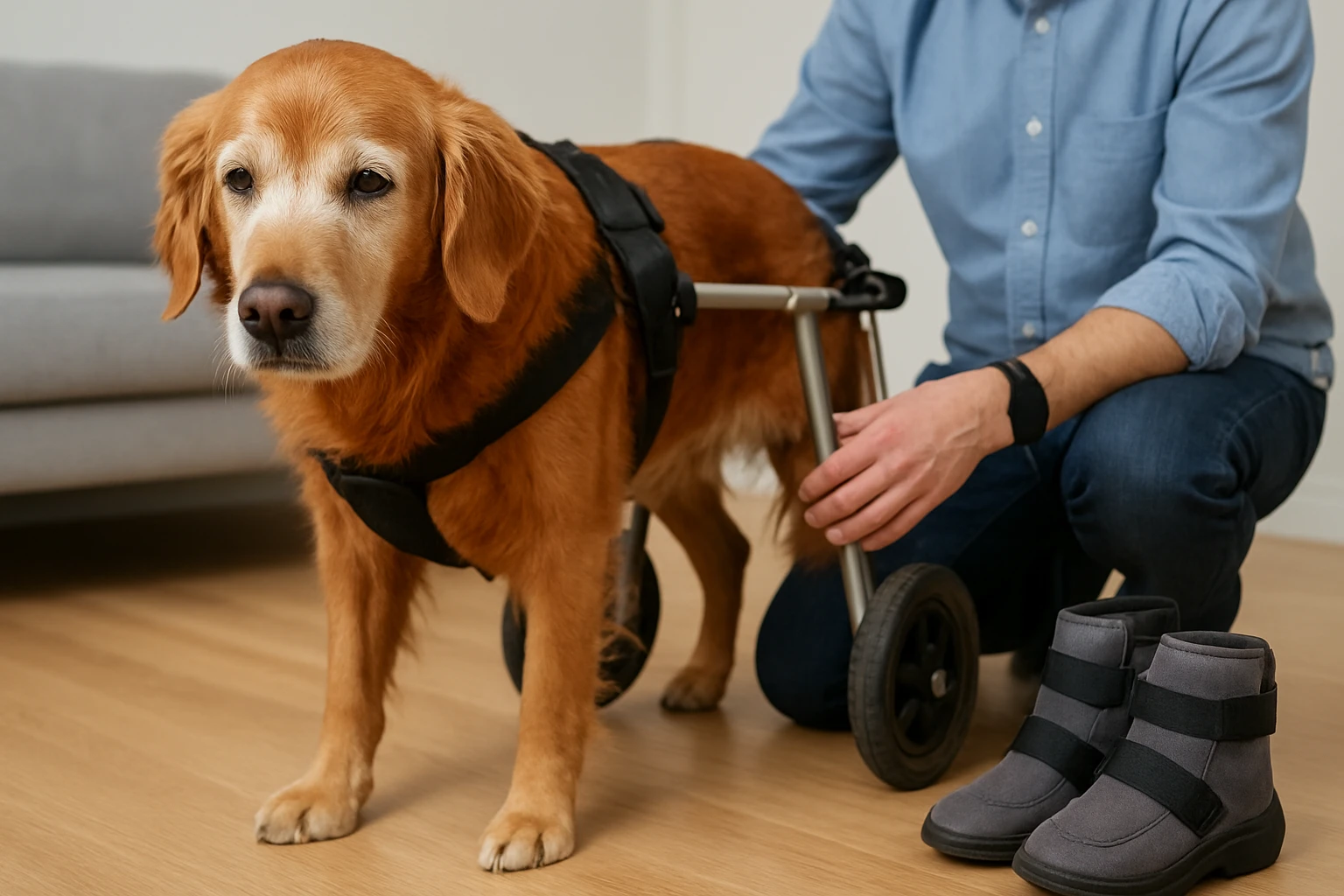
Best Mobility Aids for Senior Dogs: Arthritis vs. Hip Dysplasia — Ultimate Buyer's Guide
Introduction
Senior dogs frequently confront mobility challenges that diminish their quality of life. Two of the most common conditions are arthritis and hip dysplasia, each requiring a distinct therapeutic approach. This guide explains the underlying causes of these ailments, outlines how to assess a dog’s specific needs, and recommends proven mobility aids that can restore confidence and independence. Readers will learn how to differentiate between arthritis‑related stiffness and hip‑dysplasia‑related weakness, evaluate product features such as adjustability and support, and implement best‑practice care strategies that extend beyond any single device.
By the end of this article, one will be equipped to make an informed purchase decision, apply practical daily tips, and answer common concerns that arise when caring for an aging canine companion.
Background and Context
Arthritis in dogs is an inflammatory joint disease that typically develops with age, obesity, or previous injury. The condition manifests as pain, swelling, and reduced range of motion, especially in the elbows, knees, and hips. Hip dysplasia, on the other hand, is a developmental disorder in which the femoral head does not fit securely within the acetabulum, leading to joint laxity, cartilage wear, and eventual osteoarthritis. While both conditions share pain as a symptom, arthritis is primarily a degenerative process, whereas hip dysplasia is a structural abnormality that may be present from puppyhood.
Effective management therefore combines medical treatment—such as non‑steroidal anti‑inflammatory drugs, joint supplements, and physical therapy—with mechanical support. Mobility aids serve to off‑load stressed joints, provide stability during locomotion, and encourage gentle exercise that preserves muscle tone.
Understanding Arthritis in Senior Dogs
Arthritic joints often produce a grinding sensation known as crepitus, and dogs may exhibit a “shuffling” gait, reluctance to climb stairs, or difficulty rising after rest. Weight management and low‑impact activities such as short leash walks are essential components of a treatment plan. When pain limits a dog’s ability to bear weight, a supportive device can distribute load across a larger surface area, reducing strain on the affected joint.
Key considerations for an arthritis‑focused aid include:
- Soft, breathable padding to prevent skin irritation.
- Adjustable straps that accommodate swelling or weight fluctuations.
- Reflective elements for low‑light visibility during evening walks.
One product that meets these criteria is the Cover Geny Dog Lift Harness. Priced at $15.99 and rated 4.4 out of 5 stars by 240 reviewers, this harness features high‑quality PU leather and soft fleece for shock absorption, adjustable straps for a customized fit, and reflective nylon for safety. Its design assists senior or post‑surgical dogs in standing, walking, and navigating stairs, making it an ideal low‑cost option for arthritic support.
Understanding Hip Dysplasia in Senior Dogs
Dogs with hip dysplasia often display a “bunny hop” gait, reduced hind‑leg strength, and an inability to sustain prolonged activity. Because the hip joint is compromised, weight‑bearing on the rear limbs must be minimized. Wheelchairs and carts provide a mechanical solution by transferring a portion of the dog’s body weight to a set of wheels, thereby allowing the hind legs to recover or remain functional.
Critical features for a dysplasia‑focused mobility aid include:
- Robust frame construction that can withstand repeated use.
- Multi‑level adjustability for length, width, and height to fit a wide range of breeds.
- Shock‑absorbing wheels that smooth uneven terrain.
- Ease of assembly and quick adjustment for owners who travel or change dogs.
The VEVOR Adjustable Dog Wheelchair satisfies these requirements. At $118.90 with a 3.6‑star rating from 50 reviewers, it offers a reinforced 1.5 mm tube frame, five length settings, six width options, and seven height adjustments. The inclusion of breathable mesh, EVA shock‑absorbing tires, and a D‑ring leash attachment makes it a versatile solution for medium to large dogs recovering from hip dysplasia or severe arthritis.
Choosing the Right Mobility Aid
Selecting an appropriate device begins with a thorough assessment of the dog’s size, weight, and specific mobility limitation. The following table summarizes the three featured products, highlighting the conditions for which each is best suited.
| Product | Ideal For | Key Features | Price | Rating |
|---|---|---|---|---|
| Cover Geny Dog Lift Harness | Arthritis, post‑surgical support, small to giant breeds | Adjustable PU leather, soft fleece lining, reflective straps | $15.99 | 4.4/5 (240 reviews) |
| VEVOR Adjustable Dog Wheelchair | Hip dysplasia, severe hind‑leg weakness, medium to large breeds | Reinforced 1.5 mm frame, 5×6×7 adjustability, mesh ventilation, EVA wheels | $118.90 | 3.6/5 (50 reviews) |
| Blisspire Medium Dog Wheelchair | Small to medium breeds with rear‑leg injury, lightweight needs | 1.5 lb weight, traction rope, custom‑fit dimensions, quick‑lock buckles | $72.99 | 3.7/5 (56 reviews) |
When a dog requires only occasional assistance—such as help climbing stairs—a lift harness may be sufficient. Conversely, dogs that cannot bear any hind‑leg weight benefit from a full wheelchair. The Blisspire model provides a middle ground for small breeds, offering a featherweight design that does not impede agility.
Best Practices & Tips
Even the most advanced mobility aid will underperform if not used correctly. The following recommendations ensure optimal outcomes:
- Measure Accurately: Record chest circumference, leg gap, and weight before purchasing. Most manufacturers provide sizing charts; a mis‑fit can cause chafing or reduced support.
- Introduce Gradually: Allow the dog to become accustomed to the device in a calm environment before attempting outdoor walks. Short, positive sessions reinforce confidence.
- Monitor Skin Health: Inspect contact points daily for redness or hair loss. Adjust padding or replace worn straps promptly.
- Combine with Physical Therapy: Gentle range‑of‑motion exercises, hydrotherapy, and controlled walking improve muscle tone and joint health alongside mechanical support.
- Maintain Equipment: Tighten bolts, replace worn wheels, and clean breathable mesh regularly to extend product lifespan.
FAQ
1. How long should a senior dog wear a lift harness each day? Begin with 10‑15 minutes and gradually increase to 30‑45 minutes as tolerance improves. Continuous wear is unnecessary and may lead to skin irritation.
2. Can a wheelchair be used for dogs with front‑leg injuries? Most wheelchair designs, including the VEVOR and Blisspire models, are engineered for hind‑leg support. Front‑leg assistance requires a specialized cart or custom orthosis.
3. Are there size limits for the VEVOR wheelchair? The product accommodates dogs up to 100 lb when adjusted to its maximum dimensions. Owners of larger breeds should verify the leg‑hole clearance before purchase.
4. How often should the straps be readjusted? Straps should be checked after each use, especially if the dog has experienced swelling or weight change. Re‑tighten to maintain a snug yet comfortable fit.
5. Will a mobility aid replace veterinary medication? No. Devices complement medical treatment by reducing mechanical stress, but anti‑inflammatory medication and supplements remain essential components of a comprehensive plan.
6. Is it safe to use a wheelchair on uneven terrain? The EVA shock‑absorbing wheels on the VEVOR model provide reasonable stability on grass and pavement, but steep or rocky surfaces should be avoided to prevent tipping.
7. How can one travel with a wheelchair? Both the VEVOR and Blisspire wheelchairs fold for portability. The Cover Geny harness folds flat, making it easy to pack in a carrier for trips.
Conclusion
Mobility aids empower senior dogs to enjoy an active, comfortable lifestyle despite arthritis or hip dysplasia. By understanding the physiological differences between these conditions, measuring accurately, and selecting a device that aligns with the dog’s size and activity level, owners can dramatically improve daily function. Complementary practices such as weight control, joint‑support nutrition, and regular low‑impact exercise further enhance the benefits of any aid. With the right combination of knowledge and equipment, one can ensure that aging companions continue to share cherished moments for years to come.
Products Featured in This Guide
Cover Geny Dog Lift Harness
Price: $15.99 | Rating: 4.4/5 (240 reviews)
Featured because it offers affordable, adjustable support for arthritic or post‑surgical dogs across a wide size range, with breathable padding and reflective safety features.
VEVOR Adjustable Dog Wheelchair
Price: $118.90 | Rating: 3.6/5 (50 reviews)
Featured because it provides a reinforced, highly adjustable frame with shock‑absorbing wheels, making it suitable for medium to large dogs suffering from hip dysplasia or severe hind‑leg weakness.
Blisspire Medium Dog Wheelchair
Price: $72.99 | Rating: 3.7/5 (56 reviews)
Featured because it delivers a lightweight, compact solution for small to medium breeds, with a traction rope and quick‑lock adjustments that simplify daily use.
Frequently Asked Questions
What are the key differences between arthritis and hip dysplasia in senior dogs?
Arthritis causes joint inflammation, pain, and stiffness, while hip dysplasia results from abnormal hip joint development leading to weakness and reduced mobility.
How can I tell if my senior dog needs a mobility aid for arthritis or hip dysplasia?
Look for signs: arthritis shows stiffness and pain after rest, whereas hip dysplasia shows a waddling gait, difficulty rising, and reluctance to jump.
Which mobility aids are most effective for dogs with arthritis?
Adjustable orthopedic harnesses, supportive slings, and low‑impact ramps help reduce joint strain and improve comfort for arthritic dogs.
What mobility devices work best for dogs with hip dysplasia?
Hip‑support braces, wide‑base harnesses, and sturdy stair lifts or ramps provide stability and lessen the load on the hip joint.
How do I choose a mobility aid that fits my senior dog’s size and condition?
Measure your dog’s height, weight, and chest girth, then select an aid with adjustable straps, proper weight capacity, and padding suited to the specific joint issue.