Introduction
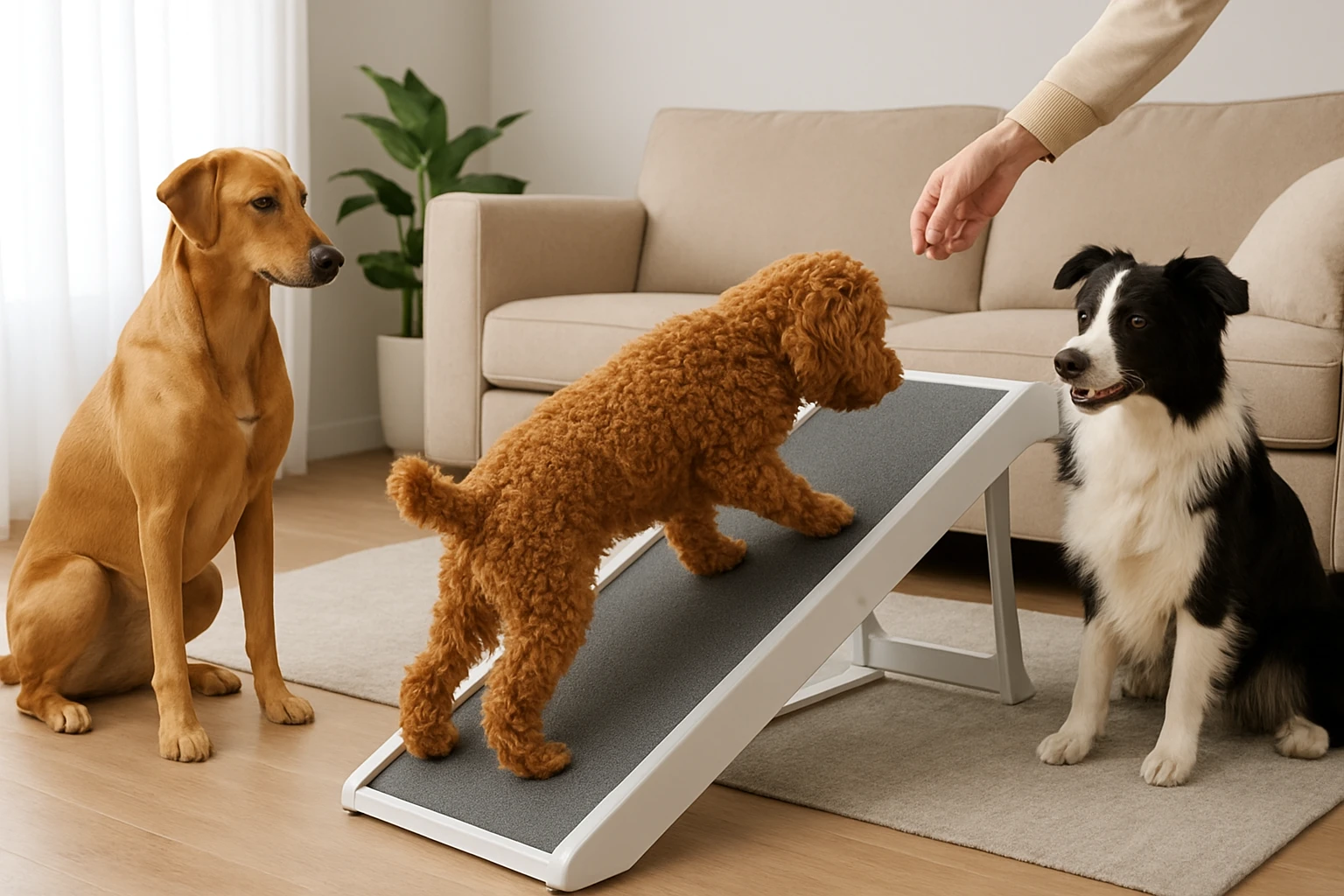
One will discover a systematic approach to integrate a pet ramp into a household that contains several dogs of varying ages and sizes. This guide explains why a ramp can prevent joint strain, reduce the risk of falls, and improve overall mobility for senior or injured dogs. It also demonstrates how to select the appropriate ramp, position it securely, and train each canine companion without causing competition or anxiety. By following the steps, one can create a harmonious environment where every dog feels confident and safe when accessing cars, beds, or furniture.
What You Will Need
- A portable, non‑slip pet ramp suitable for the weight and size of each dog.
- High‑visibility treats or favorite toys for positive reinforcement.
- Leashes or harnesses to guide dogs during initial attempts.
- Soft blankets or anti‑slip mats to place at the top and bottom of the ramp for added stability.
- Cleaning supplies to maintain the ramp surface.
Step 1: Assess the Environment
Before one installs any equipment, it is essential to evaluate the entry points that will be used most frequently. Measure the height from the ground to the car floor, couch cushion, or bed to determine the required ramp length. A longer ramp creates a gentler incline, which is particularly beneficial for senior dogs with arthritis. One should also inspect the surrounding floor for uneven tiles or slippery surfaces that could compromise safety.
If the measured height is approximately 20 inches, a 61‑inch ramp such as the PawStep Folding Pet Ramp provides an appropriate slope. This ramp folds to a compact size for storage, making it suitable for homes with limited space.
When the height exceeds 30 inches, a telescoping model like the PetSafe Telescoping Dog Ramp offers adjustable length up to 70 inches, allowing one to customize the angle for each vehicle or piece of furniture.
Step 2: Choose the Right Ramp
The selection of a ramp should be based on weight capacity, material durability, and ease of transport. The PawStep Folding Pet Ramp supports pets up to 165 lb, is constructed from molded polypropylene, and folds to dimensions of 31.5" × 15.5" × 7.5" for convenient storage. It is priced at $40.99 and holds a rating of 4.0 stars from 1,266 reviews, indicating reliable performance for small to medium dogs.
The PetSafe Telescoping Dog Ramp supports pets up to 300 lb, is built from lightweight aluminum, and collapses to a 28‑inch length for storage in a vehicle trunk. It is priced at $111.24 and holds a rating of 4.3 stars from 14,422 reviews, reflecting strong customer satisfaction for larger or heavier breeds.
One should consider a ramp with an anti‑slip surface if the pet has difficulty gripping smooth plastic. The PawStep model offers an optional carpet accessory that can be attached to the ribbed surface, while the PetSafe ramp includes a high‑traction sandpaper‑like tread that is effective for most breeds.
Step 3: Prepare the Ramp for First Use
Unfold the ramp on a flat surface and inspect the side rails and foot pads for any damage. For the PawStep ramp, ensure the raised side rails are aligned to guide the dog safely. For the PetSafe ramp, engage the locking latch to keep the telescoping sections secure.
Place a non‑slip mat or a folded blanket at both the top and bottom of the ramp to prevent movement on hardwood or tile floors. This additional stability is especially important when multiple dogs will be using the ramp in quick succession.
Clean the ramp surface with a mild detergent and dry it thoroughly. Regular cleaning prevents buildup of dust or pet hair that could reduce traction.
Step 4: Introduce the Ramp to One Dog at a Time
Begin training with the smallest or most confident dog to establish a positive example. Position the ramp at a low angle and use a leash to gently guide the dog onto the first few steps. Offer a high‑value treat at the top of the ramp and praise the dog verbally.
Repeat the process for several short sessions, gradually increasing the incline as the dog becomes comfortable. The ribbed surface of the PawStep ramp and the sandpaper‑like tread of the PetSafe ramp both provide sufficient grip for most breeds, reducing the need for additional adhesives.
Document the dog's progress in a training log, noting any hesitations or preferences for a particular ramp. This information will help tailor the approach for the remaining dogs.
Step 5: Train the Remaining Dogs Sequentially
After the first dog demonstrates confidence, repeat the training routine with the next dog, using the same treats and praise. It is advisable to train each dog separately to avoid competition for the ramp, which could lead to anxiety.
If a larger dog shows reluctance, consider using the longer 70‑inch configuration of the PetSafe Telescoping Dog Ramp to create a shallower slope. A gentler incline reduces the effort required by a heavy or arthritic dog, encouraging smoother transitions.
For dogs that are particularly fearful of new surfaces, place a familiar blanket on the ramp to provide a comforting texture. The optional carpet accessory for the PawStep ramp can serve this purpose while also enhancing traction.
Step 6: Establish a Consistent Routine
One should incorporate ramp usage into daily activities such as car trips, bedtime, and bathroom breaks. Consistency reinforces the learned behavior and reduces the likelihood of regression.
When multiple dogs need to use the ramp in succession, arrange them in a calm order based on age and mobility. Allow the senior dog to go first, followed by the more energetic dogs. This hierarchy respects each dog's needs and prevents crowding.
Store the ramp in a designated location when not in use. The PawStep ramp folds neatly into a closet, while the PetSafe ramp can be collapsed and secured with its built‑in strap, keeping the training area organized.
Tips & Pro Tips
- Use high‑value treats such as soft cheese or cooked chicken to motivate reluctant dogs.
- Maintain a calm voice and steady pace; abrupt movements can cause anxiety.
- If the ramp feels unstable, add rubber feet or non‑slip pads beneath the base.
- For outdoor use, consider a weather‑proof cover to protect the ramp from rain.
- Periodically check the ramp for cracks, loose bolts, or worn tread, especially after heavy use.
Troubleshooting
Problem: Dog refuses to step onto the ramp.
Solution: Lower the incline by using the shorter extension of the PetSafe ramp or placing the PawStep ramp on a raised platform to decrease the angle. Offer a treat at each step and use a gentle hand‑over‑shoulder guide.
Problem: Ramp slides on hardwood floor.
Solution: Apply non‑slip rubber pads to the bottom of the ramp. Ensure the floor is clean and dry before placement.
Problem: Surface becomes slick after cleaning.
Solution: Re‑apply the optional carpet accessory on the PawStep ramp or lightly sand the PetSafe tread with fine grit sandpaper to restore texture.
Conclusion
One has now learned how to evaluate the home environment, select an appropriate ramp, prepare it for safe use, and train each dog in a multi‑dog household. By following the numbered steps, employing positive reinforcement, and addressing common issues, every dog can enjoy independent access to cars, beds, and furniture without risking joint injury. Consistent practice and proper maintenance will ensure the ramp remains a reliable tool for years to come.
Products Mentioned in This Guide
Frequently Asked Questions
Why should I use a ramp for senior or injured dogs in a multi‑dog home?
A ramp reduces joint strain and fall risk, allowing older or hurt dogs to reach cars, beds, and furniture safely.
How do I choose the right ramp size for dogs of different weights?
Select a portable, non‑slip ramp rated for the heaviest dog and long enough to keep the incline gentle (ideally 12‑18°).
Where is the best place to position the ramp to avoid competition among dogs?
Place the ramp near the most frequently used entry point and ensure each dog has its own clear path with anti‑slip mats at both ends.
What tools help train each dog to use the ramp without anxiety?
Use high‑visibility treats or favorite toys, along with leashes or harnesses, to guide and positively reinforce each dog’s attempts.
How can I keep the ramp clean and safe for multiple dogs?
Regularly wipe the surface with pet‑safe cleaning supplies and check for wear, especially on the non‑slip material.