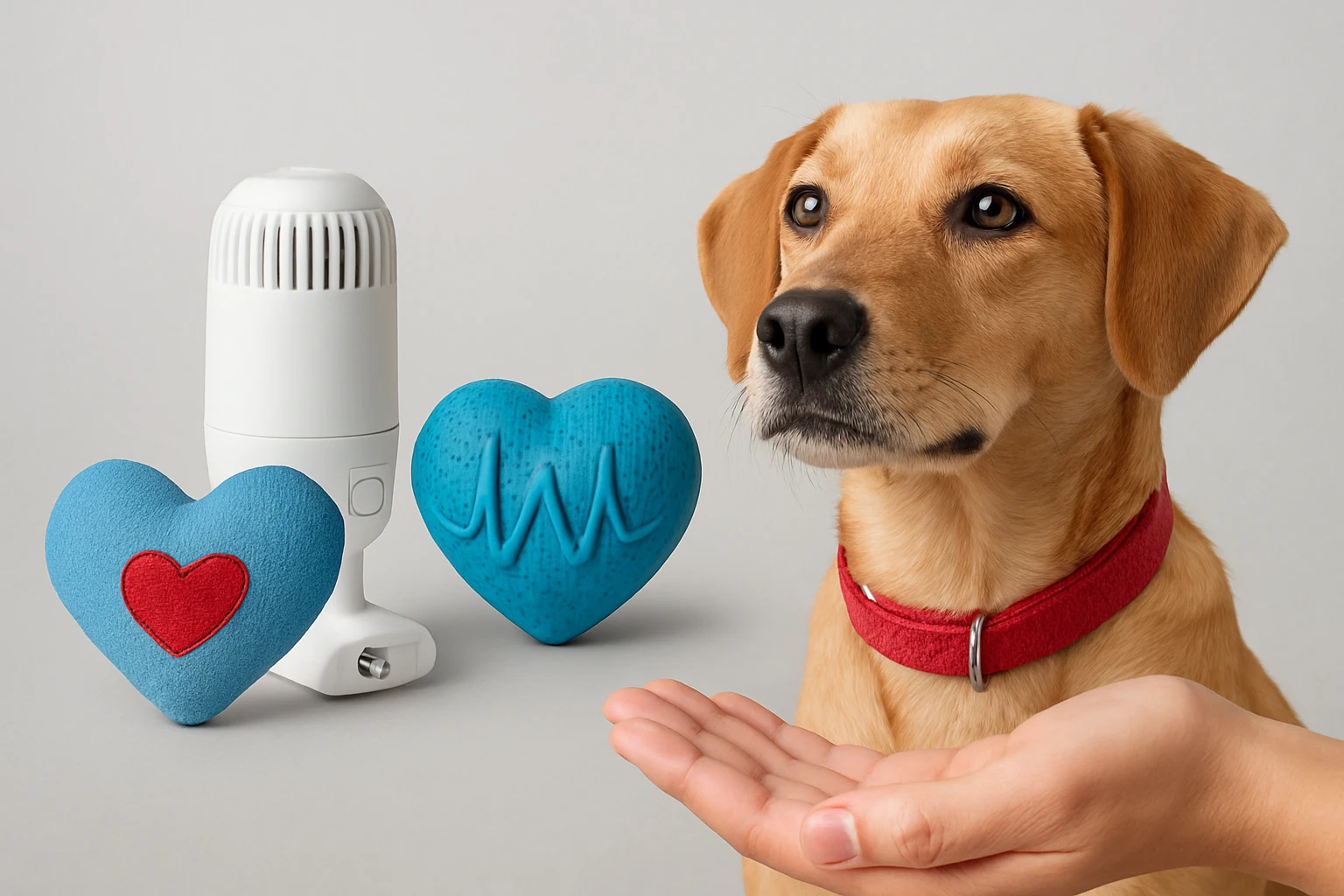
Dog Noise Phobia Alternatives: A Complete Guide to Calming Strategies Beyond Vests and Chews
Introduction
Noise phobia affects a significant portion of the canine population, especially during thunderstorms, fireworks, and urban disturbances. This guide explains the underlying mechanisms of noise anxiety and presents evidence‑based alternatives that do not rely on pressure vests or chew‑based distractions. Readers will learn about environmental modifications, pheromone technology, heartbeat simulators, and proven training techniques. By the end of the article, one will be equipped to select the most suitable solution for a specific dog and household.
Background and Context
Canine noise phobia is a learned fear response that triggers heightened cortisol levels, rapid heart rate, and frantic behavior. The condition often originates in early life when a puppy experiences a sudden loud event without adequate reassurance. Over time, the nervous system forms an associative memory, causing the dog to react to similar sounds even when they are distant or muted. Understanding the physiological basis of fear enables owners to intervene with strategies that address both the emotional and sensory components of the problem.
Traditional interventions such as anxiety vests apply gentle pressure to create a calming effect, while chews provide oral distraction. Although effective for many dogs, these methods may not be suitable for all owners due to cost, practicality, or individual dog preference. Recent advances in pet‑focused technology have introduced alternatives that target the olfactory and auditory systems, offering a more nuanced approach to anxiety mitigation.
Understanding Noise Phobia
The first step in managing noise phobia is to recognize the warning signs. Common behaviors include trembling, excessive barking, hiding, pacing, and attempts to escape the environment. Dogs may also exhibit physiological symptoms such as panting, drooling, and accelerated breathing. Early identification allows owners to implement calming measures before the fear escalates into a full‑blown panic episode.
Scientific research indicates that the limbic system, particularly the amygdala, processes threatening auditory stimuli. When a dog perceives a loud noise, the amygdala activates the fight‑or‑flight response, releasing stress hormones. Interventions that modulate sensory input or provide a sense of safety can dampen this cascade, reducing the intensity of the reaction.
Environmental Modifications
Creating a safe haven is a cornerstone of any anxiety‑reduction plan. A quiet room equipped with soft bedding, dim lighting, and familiar scents can serve as a refuge during storms or fireworks displays. Sound‑masking devices that emit white noise or low‑frequency music help to drown out sudden spikes in volume, making the overall acoustic environment more predictable.
When possible, owners should close windows, draw curtains, and turn off televisions that may amplify external sounds. Providing a secure crate or a designated corner can also give the dog a sense of enclosure, which many animals find comforting. These steps do not require any purchase beyond basic household items, yet they lay the groundwork for more advanced interventions.
Pheromone Therapy
Pheromone therapy leverages the natural chemical signals that dogs use to communicate comfort and security. Synthetic analogues of the dog‑appeasing pheromone (DAP) are released continuously to promote emotional balance. The TopSum Dog Calming Diffuser is a plug‑in device that disperses DAP across an area of up to 750 square feet, making it suitable for living rooms, open‑plan homes, and multi‑dog households.
Key features of the diffuser include a drug‑free formulation, a long‑lasting refill system, and a simple plug‑in design that requires no batteries. Each kit contains three diffuser heads and three refills, providing extended coverage for several months. With a rating of 4.2 stars from 508 reviews, owners report noticeable reductions in barking, whining, and pacing after consistent use.
Because the device operates continuously, it creates a background layer of calming pheromones that can mitigate the dog’s reaction to sudden noises. The technology is especially effective when combined with environmental modifications, as the scent reinforces the safe space that the owner has created.
Heartbeat Simulators
Another innovative approach focuses on auditory mimicry of a living companion. The WEOK Heartbeat Puppy Calming Toy incorporates a pulsing heartbeat module that replicates the rhythm of a mother’s heart, a sound known to soothe newborn mammals. The toy is constructed from soft, washable fabric and operates on three AAA batteries (not included).
Owners can activate the heartbeat by pressing and holding the button; a steady thump provides a constant auditory cue that reassures the dog during periods of silence or sudden loud events. The toy has earned a 4.2‑star rating from over 6,000 reviewers, many of whom highlight its effectiveness in reducing nighttime crying and separation anxiety.
Beyond dogs, the heartbeat toy has been reported to calm anxious children and elderly individuals, indicating its broad applicability as a comfort object. For multi‑dog families, multiple toys can be placed throughout the home, ensuring that each pet has access to a familiar, soothing rhythm.
Training Techniques and Behavioral Conditioning
While technology offers valuable support, it should be integrated with systematic training to produce lasting results. Counter‑conditioning involves pairing the feared noise with a highly valued reward, such as a favorite treat or a play session. Over repeated exposures, the dog learns to associate the sound with positive outcomes rather than danger.
Desensitization follows a similar principle but focuses on gradual exposure. Owners can use recorded storm or fireworks sounds at a low volume, slowly increasing the intensity as the dog remains calm. Sessions should be brief, lasting no longer than ten minutes, and always end on a successful note to reinforce confidence.
Incorporating commands such as "stay" or "focus" during exposure helps to redirect the dog’s attention away from the noise. Consistency is essential; daily practice, even when no loud events are occurring, strengthens the dog’s coping mechanisms and reduces reliance on external aids.
Complementary Approaches
Nutrition and supplementation can also influence anxiety levels. Ingredients such as L‑theanine, tryptophan, and omega‑3 fatty acids have been shown to support neurotransmitter balance in dogs. Consulting a veterinarian before introducing any supplement ensures appropriate dosing and safety.
Massage and gentle physical contact release oxytocin, a hormone associated with bonding and relaxation. A brief, calming rub behind the ears or along the spine can lower heart rate and signal safety during a noisy episode. Pairing massage with pheromone diffusion or a heartbeat toy maximizes the calming effect.
Finally, regular exercise remains a foundational element of anxiety management. A well‑exercised dog possesses lower baseline cortisol levels and is more resilient to stressors. Owners should aim for at least thirty minutes of moderate activity each day, adjusted to the dog’s age and health condition.
Comparison and Selection Guide
| Feature | TopSum Dog Calming Diffuser | WEOK Heartbeat Puppy Calming Toy |
|---|---|---|
| Primary Modality | Olfactory (pheromone diffusion) | Auditory (heartbeat simulation) |
| Coverage Area | Up to 750 sq ft per unit | Individual plush toy; portable |
| Power Source | Electrical plug‑in | 3 AAA batteries (not included) |
| Refill Longevity | Three refills, each lasting several weeks | Battery life approximately one week of continuous use |
| Price (USD) | $17.47 | $23.09 |
| Average Rating | 4.2 / 5 (508 reviews) | 4.2 / 5 (6,190 reviews) |
| Ideal Use Cases | Home environments, multi‑dog households, continuous background calming | Night‑time comfort, travel, individual calming for puppies or anxious adults |
When selecting a product, owners should consider the size of the living space, the dog’s preference for scent versus sound, and the desired duration of effect. For large homes with several dogs, the diffuser provides broad coverage and minimal maintenance. For dogs that seek tactile companionship, especially puppies, the heartbeat toy offers a portable, hands‑on solution.
Best Practices & Tips
- Introduce any new calming device at least one week before the anticipated noise event to allow the dog to acclimate.
- Combine pheromone diffusion with a consistent bedtime routine that includes a short massage and a calm voice command.
- Place the heartbeat toy near the dog’s sleeping area, ensuring the battery compartment is accessible for replacement.
- Monitor the dog’s response during the first exposure; adjust volume of recorded sounds or distance of the diffuser as needed.
- Maintain a log of anxiety incidents, noting the time, noise type, and effectiveness of each intervention. This data assists veterinarians in tailoring a comprehensive plan.
- Regularly clean the heartbeat toy according to the manufacturer’s instructions, removing the battery module before machine washing.
- Replace diffuser refills according to the usage schedule; an empty cartridge can diminish the calming effect.
Frequently Asked Questions
1. How long does it take for a pheromone diffuser to show results?
Most owners notice a subtle reduction in anxiety behaviors within three to five days of continuous use, although full benefits may emerge after two weeks.
2. Can the heartbeat toy be used for adult dogs?
Yes, the rhythmic pulse mimics a comforting presence and is effective for both puppies and adult dogs that experience separation anxiety or nighttime restlessness.
3. Are there any safety concerns with using these products around children?
Both products are designed with non‑toxic materials. The diffuser emits a synthetic pheromone that is safe for humans, and the heartbeat toy should be supervised to prevent ingestion of the battery compartment.
4. Should I use both a diffuser and a heartbeat toy together?
Combining olfactory and auditory calming cues can provide synergistic benefits, especially in multi‑dog homes where each pet may prefer a different sensory input.
5. What if my dog shows no improvement after a month?
Consider consulting a veterinary behaviorist. Persistent anxiety may require a combination of medication, professional training, and environmental adjustments.
6. How often should the diffuser refills be replaced?
Each refill typically lasts four to six weeks, depending on the size of the area and the frequency of plug‑in usage. Replace when the scent diminishes.
7. Can these products help with other forms of anxiety besides noise phobia?
Yes, both the pheromone diffuser and heartbeat toy have been reported to alleviate separation anxiety, travel stress, and general nervousness.
Conclusion
Noise phobia need not dominate a dog’s life, and owners have a variety of alternatives beyond traditional vests and chews. By understanding the sensory pathways involved in fear, one can select tools such as the TopSum Dog Calming Diffuser or the WEOK Heartbeat Puppy Calming Toy to complement environmental modifications, training, and lifestyle changes. Consistent application of these strategies creates a calmer household, strengthens the bond between owner and pet, and ultimately improves the dog’s quality of life.
Products Featured in This Guide
TopSum Dog Calming Diffuser
Price: $17.47
Rating: 4.2/5 (508 reviews)
Featured because it provides continuous, drug‑free pheromone support for up to 750 sq ft, making it ideal for multi‑dog homes and prolonged anxiety periods.
WEOK Heartbeat Puppy Calming Toy
Price: $23.09
Rating: 4.2/5 (6,190 reviews)
Featured because its realistic heartbeat simulation offers portable auditory comfort, especially effective for puppies, nighttime soothing, and travel situations.