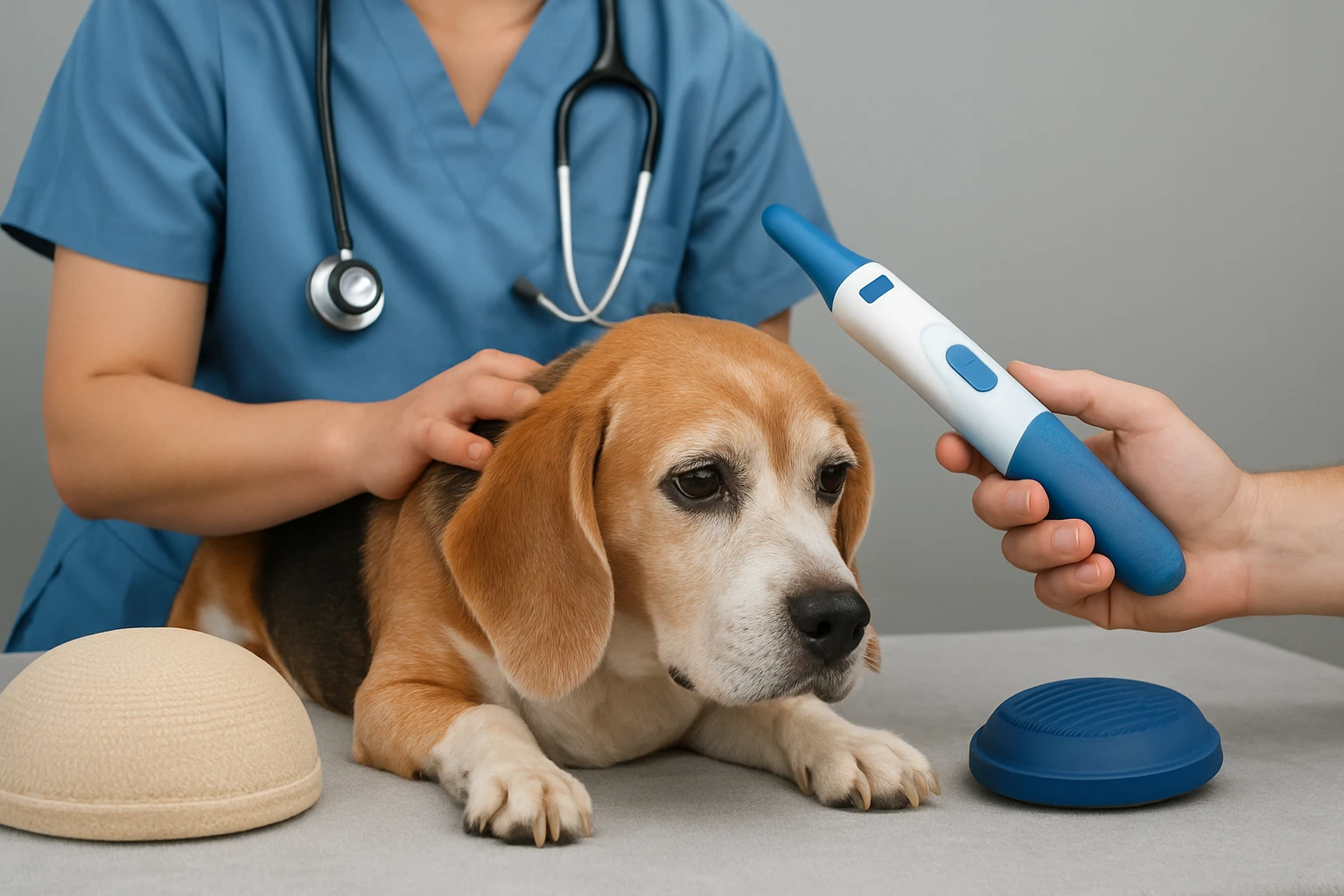
How to Help a Senior Dog with Thunderstorm Anxiety: Practical, Vet‑Approved Steps to Calm and Comfort Your Aging Pet
Thunderstorms can trigger intense fear in senior dogs, leading to trembling, excessive barking, and even destructive behavior. Understanding why older dogs react more strongly allows owners to intervene with targeted, compassionate strategies. This guide explains each step in detail, offering both behavioral techniques and carefully chosen tools that veterinarians recommend. By following the plan, readers will create a calmer environment that respects the dog’s age‑related sensitivities.
What You’ll Need
- Calming chews such as NaturVet Quiet Moments Calming Dog Chews
- Hemp‑based chews like ThunderWunders Hemp Calming Dog Chews
- A pressure‑wrap vest, for example Thundershirt Dog Anxiety Jacket or the classic gray version
- A pheromone diffuser such as MOYAMUTU Dog Calming Pheromone Diffuser Kit
- Soft bedding, white‑noise machine, and a few treats for positive reinforcement
Step 1: Create a Safe, Sound‑Dampened Space
Begin by identifying a room where the dog feels most secure, typically near the family’s sleeping area. Place thick curtains, a heavy rug, and a white‑noise machine to reduce the sharp cracks of thunder and the booming rumble of lightning. Adding a familiar blanket or a dog‑bed that smells like home can further soothe an anxious senior. This environment works in tandem with the calming chews described later, allowing the dog to experience both physical and auditory comfort.
Step 2: Administer Calming Supplements Before the Storm
Providing a dose of a vet‑formulated supplement 30‑45 minutes before the forecasted storm can lower the physiological stress response. NaturVet Quiet Moments Calming Dog Chews contain melatonin, L‑tryptophan, and ginger, which together promote relaxation without sedation. Each chew costs $10.97, carries a 4‑star rating from over 51,000 reviews, and is flavored with bacon and chicken to encourage easy consumption. For dogs that respond better to hemp‑derived cannabinoids, the ThunderWunders Hemp Calming Dog Chews provide omega‑3 fatty acids, additional melatonin, and a calming aroma; they are priced at $19.99 with a 4.1‑star rating from 5,753 reviewers.
Administer the appropriate number of chews based on the dog’s weight, following the manufacturer’s guidelines. Observe the dog for any signs of gastrointestinal upset; the formulations are designed to be gentle on senior stomachs. If the dog appears overly drowsy, reduce the dosage at the next storm and consider combining the chews with a non‑medicated pressure vest for balanced effect.
Step 3: Apply a Gentle Pressure Vest
Pressure‑wrap vests mimic the calming effect of a hug, delivering constant, low‑level pressure that can reduce the fight‑or‑flight response. The Thundershirt Dog Anxiety Jacket is made of breathable, machine‑washable fabric and features adjustable straps to achieve a snug but comfortable fit. Priced at $59.99 with a 4.2‑star rating from 8,512 reviews, it is especially useful for thunderstorms, fireworks, and travel situations.
For owners who prefer a classic style, the Thundershirt Classic Dog Anxiety Vest offers the same patented pressure technology in a heather‑gray design, costing $51.99 and holding a 4.2‑star rating from 55,480 reviewers. To fit the vest correctly, measure the dog’s girth and weight, then follow the step‑by‑step fastening instructions provided in the packaging. The vest should feel like a firm hug; the dog should be able to move freely while the pressure remains constant.
Veterinarians recommend using the vest for at least 20‑30 minutes before the storm begins, allowing the dog’s nervous system to adjust gradually. If the dog shows signs of discomfort, loosen the straps slightly and monitor the reaction. Over time, many senior dogs develop a conditioned response, associating the vest with safety and calm.
Step 4: Deploy a Pheromone Diffuser for Continuous Calm
Dog‑appeasing pheromones (DAP) replicate the natural scent a mother emits to reassure puppies, providing a subtle background signal of safety. The MOYAMUTU Dog Calming Pheromone Diffuser Kit includes two plug‑in units and four 48 ml refills, each lasting up to 30 days, for a total coverage of 700 sq ft per unit. Priced at $22.99 with a 4.6‑star rating from 101 reviews, it is a drug‑free solution that works continuously, even when the owner is not present.
Place one diffuser in the safe room created in Step 1 and the second near the dog’s sleeping area. The rotatable 90° plug ensures a secure fit in any outlet, and the scent is faint enough not to disturb humans. This constant pheromone presence can reduce barking, scratching, and even separation anxiety that may be amplified during a storm.
Replace the refills monthly to maintain efficacy. If the dog appears indifferent, consider increasing the number of diffusers or combining the pheromone with the pressure vest for a multi‑modal approach.
Step 5: Implement Positive Reinforcement and Desensitization
Training the senior dog to associate thunderstorms with pleasant experiences can diminish fear over the long term. Begin by playing low‑volume recordings of distant thunder while offering high‑value treats, gradually increasing the volume over several weeks. Pair each sound increment with a calm voice and gentle petting, reinforcing the notion that the environment remains safe.
During an actual storm, continue to reward calm behavior with treats from the same high‑value stash used during desensitization. Avoid scolding the dog for nervous reactions, as punishment can heighten anxiety. Instead, maintain a composed demeanor, as dogs often mirror the emotional state of their caregivers.
Document progress in a simple log, noting the storm’s intensity, the dog’s behavior, and which tools (chews, vest, diffuser) were employed. This record helps identify the most effective combination for future events and provides valuable information for veterinary consultations.
Tips & Pro Tips
- Introduce each product on a calm day before the first storm to ensure the dog accepts the taste of chews and the feel of the vest.
- Combine a white‑noise machine with the diffuser for a layered auditory calming effect.
- For senior dogs with joint pain, choose the hemp chews because they contain omega‑3 fatty acids that support joint health.
- Keep a spare set of vest straps and extra chews in a travel bag for unexpected trips.
- Consult your veterinarian before starting any supplement regimen, especially if the dog is on medication.
Troubleshooting Common Issues
Chews cause mild stomach upset: Reduce the dosage and feed the chews with a small amount of food. If symptoms persist, discontinue use and discuss alternatives with a vet.
Vest feels too tight or restricts movement: Re‑measure the dog’s girth, loosen the straps, and ensure the vest sits evenly across the chest and torso.
Pheromone diffuser does not seem effective: Verify that the unit is plugged in correctly and that the plug’s orientation allows proper airflow. Consider adding a second diffuser in a nearby room.
Conclusion
Senior dogs experience thunderstorm anxiety differently than younger companions, requiring a blend of environmental management, nutritional support, and gentle physical tools. By creating a safe space, administering appropriate calming chews, using a pressure vest, deploying a pheromone diffuser, and reinforcing calm behavior, owners can markedly reduce fear and improve quality of life. Consistent application of these vet‑approved steps will build confidence in the aging pet, turning stressful storms into manageable events. Remember, patience and observation are key; every dog responds uniquely, and the guide offers a flexible framework to adapt as needed.
Products Mentioned in This Guide
Frequently Asked Questions
Why do senior dogs often react more intensely to thunderstorms?
Aging dogs may have heightened hearing, reduced coping mechanisms, and age‑related cognitive changes that amplify fear during loud, sudden weather events.
What are the most effective calming aids for senior dogs during storms?
Vet‑approved options include calming chews (e.g., NaturVet Quiet Moments), hemp‑based chews (e.g., ThunderWunders), and a snug pressure‑wrap vest like a Thundershirt.
How can I create a safe space for my senior dog when a storm approaches?
Designate a quiet, dimly lit room with their bed, favorite toys, and a pressure vest, and close windows to reduce noise and flashing lights.
Are there any behavioral techniques that help reduce thunderstorm anxiety in older dogs?
Gentle desensitization using low‑volume storm recordings, paired with treats and calm praise, can gradually lessen fear over time.
When should I consult a veterinarian about my senior dog's thunderstorm anxiety?
If the dog shows severe trembling, aggression, or refuses to eat or drink during storms, seek veterinary advice for possible medication or tailored therapy.