Introduction
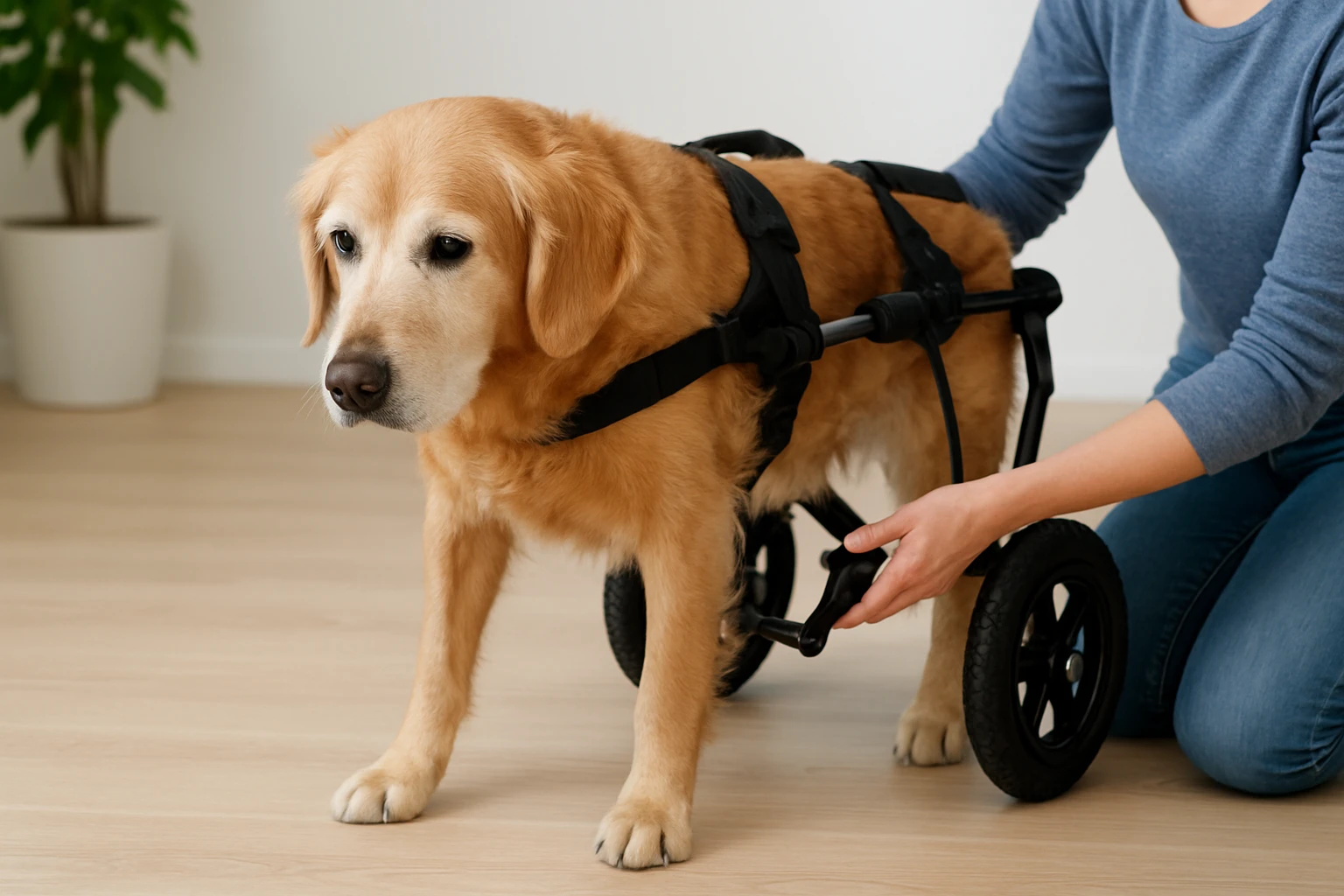
Senior dogs often face reduced mobility due to arthritis, disc disease, or post‑surgical recovery. Introducing a wheelchair can restore independence, improve quality of life, and reduce pain. This guide will teach the reader how to evaluate a dog’s needs, select an appropriate wheelchair, assemble it correctly, and guide the pet through a smooth, gentle transition. By following each step, one will create a supportive environment that encourages confidence and activity while minimizing stress for both dog and owner.
What You’ll Need
- Measuring tape or ruler
- Soft, non‑slip surface for initial fitting
- Adjustable dog wheelchair (see product recommendations)
- Cleaning wipes for harnesses
- Leash and collar for safety during practice walks
- Patience and short training sessions
Step 1: Assess Your Dog’s Mobility Needs
The first task is to observe the dog’s gait, identify which limbs are affected, and consult a veterinarian if the condition is unclear. Look for signs such as dragging hind legs, difficulty rising, or reluctance to climb stairs. Understanding the underlying issue helps determine whether a lightweight frame, extra support, or shock‑absorbing wheels are required. In many cases, a wheelchair designed for small breeds provides sufficient support, while larger dogs may need a sturdier model.
Step 2: Measure for a Precise Fit
Accurate measurements are critical to prevent chafing, slippage, or limited range of motion. Measure the height from the ground to the top of the hip joint, the length from the front of the chest to the base of the tail, and the width across the hips. Record each dimension in centimeters or inches. Most wheelchair manufacturers provide a sizing chart that matches these measurements to specific frame sizes. A well‑fitted wheelchair distributes weight evenly and allows the dog to stand, walk, and run without strain.
Step 3: Choose the Right Wheelchair
Based on the dog’s size and activity level, select a wheelchair that offers the appropriate balance of durability, adjustability, and comfort. For small breeds weighing between 15 and 25 pounds, the Walkin' Wheels Small Dog Wheelchair is an excellent choice. It features an extruded aluminum frame that is both lightweight and chew‑proof, a foldable design for easy transport, and a patented adjustable system that accommodates growth or changes in health. Priced at $271.15 with a 4.2‑star rating from 801 reviews, it provides premium support for active seniors.
For owners seeking a more budget‑friendly option without sacrificing adjustability, the LetPetRun Adjustable Dog Wheelchair offers a lightweight high‑strength frame, soft straps, and a built‑in leash buckle. At $89.99 and a 4.2‑star rating from 240 reviews, it delivers reliable performance for small dogs while remaining easy to assemble and store.
If the dog is medium‑sized or requires a more robust construction, the Inanil Sturdy Dog Wheelchair provides a reinforced plastic frame, all‑terrain shock‑absorbing wheels, and a washable mesh harness. Priced at $199.00 with a 4‑star rating from 22 reviews, it balances strength and comfort for dogs that need extra stability on varied surfaces.
For large or senior dogs up to 65 kg (143 lb), the Tapischion Large Dog Wheelchair offers high‑strength aluminum alloy construction, large rubber wheels, and an open‑crotch harness for easy potty breaks. At $189.99 and a 4.5‑star rating (no reviews yet), it is designed for heavy‑weight dogs requiring maximum load‑bearing capacity.
Step 4: Assemble the Wheelchair Correctly
Follow the manufacturer’s instructions, but most models share common assembly steps: attach the front and rear wheel axles, secure the harness brackets, and tighten all bolts to the recommended torque. The Inanil model advertises tool‑free assembly with simple screw adjustments, while the Walkin' Wheels wheelchair folds for storage after assembly. Ensure that the wheels spin freely and that the harness sits snugly without pinching the skin. A well‑assembled wheelchair reduces the risk of mechanical failure during use.
Step 5: Introduce the Wheelchair Gradually
Place the wheelchair next to the dog in a calm environment and allow the pet to sniff and explore it. Offer treats and praise while gently guiding the dog onto the frame. Initially, keep the harness loose enough for the dog to step off easily, then gradually tighten it as confidence builds. Short sessions of one to two minutes are ideal for the first few days, preventing fatigue and anxiety.
Step 6: Practice Walking Sessions
Begin on a soft, non‑slip surface such as carpet or a rubber mat. Hold the leash attached to the wheelchair’s D‑ring or buckle and encourage the dog to take small steps. Use a calm, encouraging tone and reward each successful movement. Increase the distance gradually, moving to hardwood, then outdoor grass, and finally to uneven terrain if the wheels are designed for all‑terrain use (as with the Walkin' Wheels and Inanil models). Consistent, positive reinforcement helps the dog associate the wheelchair with freedom rather than restriction.
Step 7: Monitor Comfort and Make Adjustments
Observe the dog for signs of rubbing, swelling, or hesitation. Check the harness daily for chafing and adjust the straps to maintain a secure yet comfortable fit. The LetPetRun wheelchair includes soft straps that minimize pressure points, while the Tapischion model’s breathable mesh reduces friction during extended wear. If the dog appears uncomfortable, re‑measure and adjust the height, length, or width according to the product’s adjustable design.
Step 8: Maintain the Equipment
Regular maintenance prolongs the wheelchair’s lifespan and ensures safety. Wipe the frame after each outdoor use, especially if the wheels have encountered mud or sand. The Inanil wheelchair’s mesh harness is machine‑washable; follow the care instructions to keep it fresh. Inspect bolts and joints weekly, tightening any that have loosened. Replace worn wheels promptly to maintain smooth movement, particularly for models with shock‑absorbing tires.
Tips & Pro Tips
- Start training on a short leash to prevent the dog from pulling too hard and destabilizing the frame.
- Use high‑value treats such as soft cheese or chicken pieces to create a strong positive association.
- Schedule short, frequent sessions rather than long, infrequent ones to build stamina gradually.
- Consider a protective cover for the wheels when walking on hot pavement to avoid burns.
- Document the dog’s progress with photos or a journal; visual records help identify improvements and needed adjustments.
Troubleshooting
Problem: The dog refuses to step onto the wheelchair.
Solution: Place the wheelchair on a familiar surface, use treats to lure the front paws, and gently guide the hind legs while keeping the harness loose. Patience is essential; many dogs need several attempts before feeling secure.
Problem: Wheels wobble or make noise.
Solution: Tighten the axle bolts and ensure the wheels are seated correctly. If wobbling persists, inspect the wheel bearings for damage and replace if necessary.
Problem: Harness causes skin irritation.
Solution: Adjust strap tension, add a thin layer of breathable fabric between the harness and skin, or switch to a model with a mesh harness such as the Tapischion or Inanil wheelchair.
Conclusion
Introducing a wheelchair to a senior dog is a compassionate process that restores mobility, confidence, and joy. By assessing the dog’s condition, measuring accurately, selecting a suitable wheelchair, assembling it properly, and guiding the dog through gradual exposure, owners can achieve a seamless transition. Ongoing monitoring, maintenance, and positive reinforcement ensure long‑term success and a happier, more active companion.
Products Mentioned in This Guide
Frequently Asked Questions
How do I know if my senior dog needs a wheelchair?
Observe signs like dragging hind legs, difficulty standing, or reluctance to climb stairs, and confirm with a veterinarian.
What measurements are required to fit a dog wheelchair correctly?
Measure the length from the dog’s chest to the base of the tail and the height from the ground to the elbow, then compare to the wheelchair’s size chart.
How should I introduce the wheelchair to my dog for the first time?
Place the wheelchair on a soft, non‑slip surface, let the dog sniff it, then gently secure the harness for a few minutes while offering treats and praise.
What safety precautions should I take during initial training walks?
Use a leash and collar, keep sessions short (5‑10 minutes), and walk on flat, even terrain to prevent falls or over‑exertion.
How do I keep the wheelchair and harness clean?
Wipe the harness and frame with pet‑safe cleaning wipes after each use and regularly inspect for wear or loose bolts.