Introduction
Senior dogs often experience heightened anxiety during the night because of age‑related changes such as reduced hearing, joint discomfort, and altered circadian rhythms. This guide teaches dog owners how to establish a soothing bedtime routine that reduces stress, promotes relaxation, and improves sleep quality for older canines. Readers will learn practical steps, including environmental preparation, dietary support, and the strategic use of calming products. By following these evidence‑based recommendations, owners can create a nightly ritual that benefits both dog and caregiver.
What You’ll Need
- Calming supplement for anxiety relief (Purina Pro Plan Calming Dog Supplement)
- Chewable calming aid for on‑the‑spot support (GNC Calming Soft Chews)
- Ultra‑soft, non‑slip crate bed (EHEYCIGA XL Plush Dog Crate Bed)
- Low‑level night‑time lighting, a white‑noise machine, and a gentle aromatherapy diffuser (optional)
- Comfortable collar or harness, and a set of treats for positive reinforcement
Step 1: Create a Calm Environment
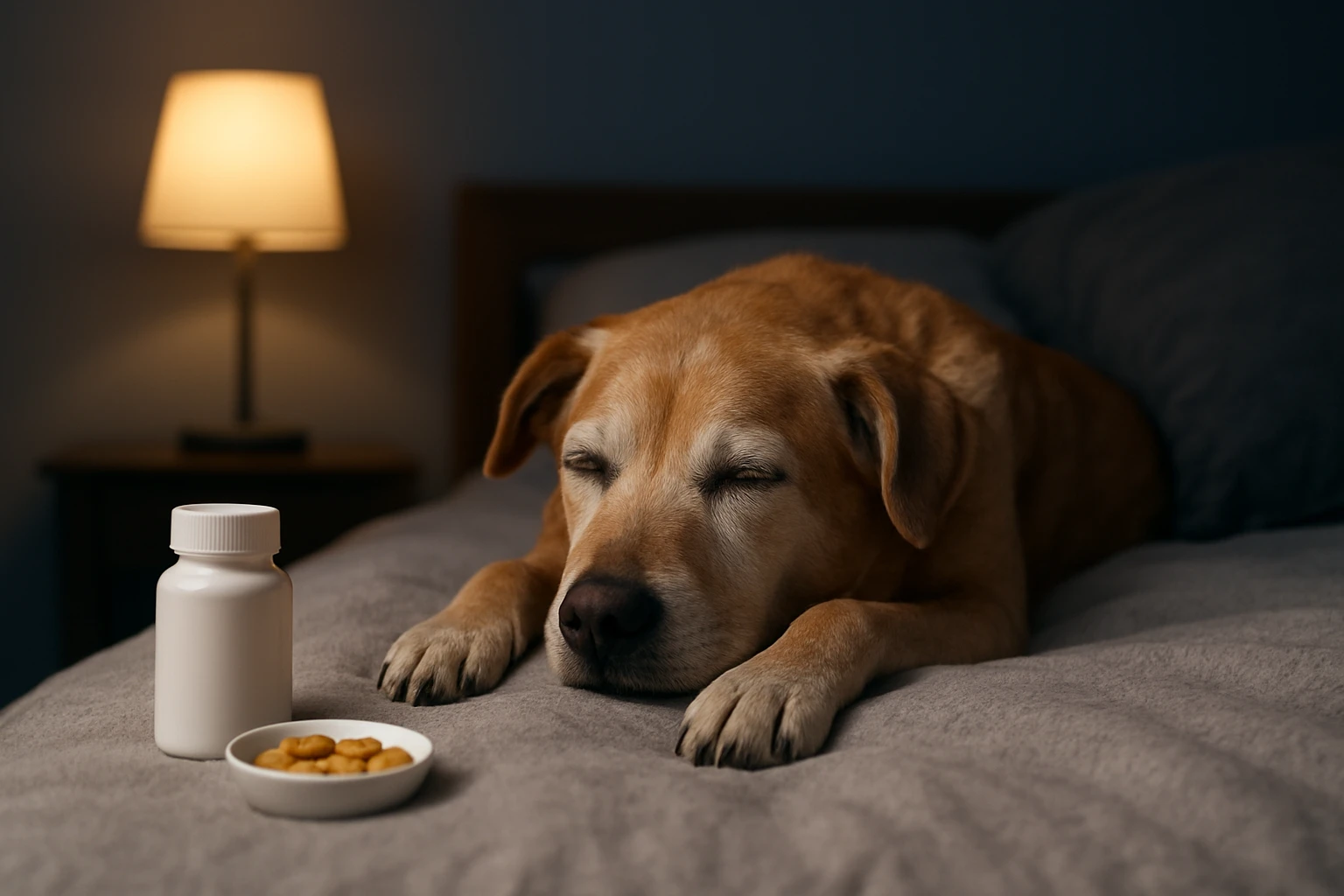
The first priority is to minimize external stressors that can trigger anxiety. Dim the lights to a soft amber hue and consider a low‑intensity night lamp that mimics a sunrise to support the dog’s natural melatonin production. A white‑noise machine can mask sudden outdoor sounds such as traffic or distant sirens, which are often unsettling for senior dogs with diminished hearing. By establishing a predictable auditory backdrop, the dog learns that nighttime is a safe, quiet period.
When the environment is stable, the dog’s physiological stress response, measured by cortisol levels, begins to decline. This reduction is essential because chronic cortisol elevation can exacerbate joint pain and cognitive decline. The calm setting also prepares the dog’s brain to accept supplemental calming aids, enhancing their effectiveness.
Step 2: Offer a Calming Dietary Supplement
Once the environment is set, introduce a daily dose of Purina Pro Plan Calming Dog Supplement. This powder contains the proprietary probiotic strain BL999, which has been shown to modulate the gut‑brain axis and reduce anxiety‑related behaviors. Each packet is mixed into the dog’s regular evening meal, ensuring seamless administration without altering feeding routines.
The supplement also supports cardiac health by promoting a balanced cortisol response, a benefit that is particularly valuable for senior dogs with age‑related heart concerns. With a price of $33.99, a 30‑count box provides a cost‑effective, veterinarian‑recommended solution that carries a 4.3‑star rating from 2,922 reviewers. Positive customer feedback highlights noticeable calmness within a week of consistent use.
Step 3: Provide a Chewable On‑Demand Calming Aid
During particularly stressful moments—such as thunderstorms or a sudden change in household routine—supplementation alone may not be sufficient. In these cases, offer a single GNC Calming Soft Chew approximately 30 minutes before the anticipated stressor. The chew’s bacon flavor encourages rapid acceptance, and its melatonin‑free formula uses chamomile, passion flower, and L‑tryptophan to promote relaxation without causing drowsiness.
Each jar contains 60 chews at $12.48, delivering a budget‑friendly option for occasional use. The product holds a 4.2‑star rating from 917 reviewers, many of whom report rapid calming effects within half an hour. The chewable format is especially useful for dogs that resist powder or tablet administration, ensuring that the calming agent reaches the bloodstream efficiently.
Step 4: Introduce a Dedicated, Ultra‑Soft Sleeping Surface
Physical comfort is a cornerstone of anxiety reduction. Place the EHEYCIGA XL Plush Dog Crate Bed inside the dog’s crate or preferred sleeping area. The bed’s faux‑fur surface mimics the warmth of a mother’s coat, providing tactile reassurance that can lower the dog’s stress hormones.
The bed’s non‑slip bottom prevents movement on hardwood or tile floors, which could otherwise startle a senior dog with reduced proprioception. Its breathable down‑alternative filling offers both softness and temperature regulation, crucial for older dogs that may experience joint stiffness in cold environments. Priced at $23.79 with a 4.5‑star rating from 3,580 reviews, the bed is praised for durability and ease of machine washing, ensuring hygiene without excessive effort.
Step 5: Establish a Predictable Bedtime Routine
Consistency signals safety to the canine brain. Begin the routine 15‑20 minutes before the desired sleep time by turning off bright lights, reducing household activity, and offering a brief, calm walk to expend residual energy. Follow the walk with a light massage focusing on the shoulders and hips, which can alleviate age‑related joint discomfort and promote the release of oxytocin, a hormone associated with relaxation.
After the massage, serve the evening meal mixed with the calming supplement, then allow the dog to settle onto the plush crate bed. Offer a single calming chew if the dog appears unusually nervous. Conclude the routine with a gentle verbal cue such as “night time” and a brief petting session, reinforcing the association between the cue and a safe, restful state.
Tips & Pro Tips
- Gradual desensitization: If the dog is fearful of the crate, introduce the plush bed outside the crate first, allowing the dog to explore it voluntarily.
- Temperature control: In colder months, place a low‑heat pet pad beneath the plush bed to keep joints warm without overheating.
- Hydration: Ensure fresh water is available, but remove it an hour before bedtime to reduce the need for nocturnal bathroom trips.
- Monitor dosage: Follow the manufacturer’s recommended serving size for both the powder supplement and the soft chews; excessive dosing can cause gastrointestinal upset.
- Veterinary check: Consult a veterinarian before starting any new supplement, especially if the senior dog is on medication for heart disease or arthritis.
Troubleshooting
Problem: Dog continues to vocalize despite the routine.
Solution: Verify that the crate bed is positioned away from drafty windows and that the white‑noise machine is functioning at an appropriate volume. Consider adding a second dose of the chewable calming aid, but do not exceed the daily limit.
Problem: Dog refuses the powder supplement.
Solution: Mix the powder with a small amount of wet food or a favorite treat to mask any subtle odor. If refusal persists, the chewable supplement can serve as a temporary alternative while you consult a veterinarian.
Conclusion
By combining environmental control, targeted nutritional support, and a comfortable sleeping surface, owners can dramatically reduce nighttime anxiety in senior dogs. The step‑by‑step routine outlined above provides a structured approach that respects the dog’s physical limitations while addressing psychological stressors. Implementing these practices consistently will foster a sense of security, improve sleep quality, and enhance the overall well‑being of both dog and caregiver.
Products Mentioned in This Guide
Frequently Asked Questions
Why do senior dogs often feel more anxious at night?
Age‑related changes like hearing loss, joint pain, and shifted circadian rhythms can increase nighttime anxiety in older dogs.
What is the best bedtime routine to calm an anxious senior dog?
Create a quiet, dimly lit environment, offer a calming supplement, provide a comfortable non‑slip crate bed, and keep a consistent bedtime schedule.
How do calming supplements help senior dogs at night?
They contain ingredients such as L‑theanine or melatonin that reduce stress hormones and promote relaxation without sedation.
Can chewable calming aids be used for immediate anxiety relief?
Yes, soft chews provide fast‑acting support and can be given when a dog shows sudden signs of anxiety before bedtime.
Is a low‑level night‑time light beneficial for senior dogs?
A soft night light helps dogs with reduced vision feel secure and can prevent disorientation that triggers anxiety.