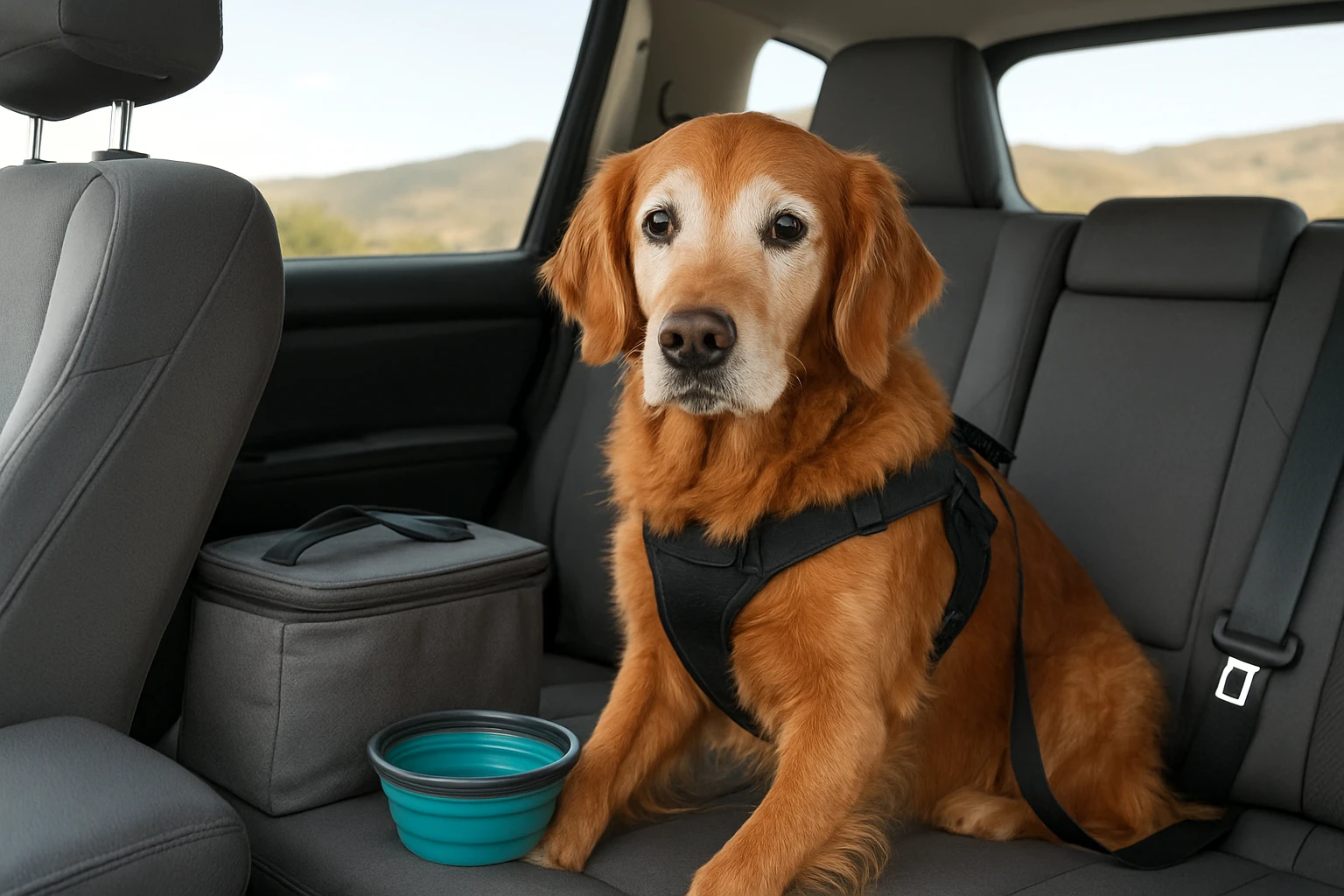
Ultimate Senior Dog Road Trip Mobility Checklist: Essential Gear, Safety Tips & Comfort Hacks for Traveling Senior Dogs
Introduction
Traveling with a senior dog requires careful planning, specialized equipment, and an understanding of age‑related health considerations. This guide explains how to prepare a senior canine for long‑distance journeys, highlights essential gear, and provides actionable safety and comfort strategies. Readers will learn how to assess their dog’s mobility, select appropriate travel accessories, and implement best practices for a stress‑free road trip. By the end of the article, one will possess a complete checklist that addresses health, safety, and comfort for senior dogs on the road.
Background and Context
Senior dogs, typically defined as dogs over seven years of age, often experience reduced joint flexibility, vision changes, and altered stamina. These physiological changes can make conventional travel arrangements uncomfortable or even hazardous. Understanding the specific needs of an aging pet enables owners to mitigate risks such as sudden disorientation, joint strain, or anxiety during transit. Moreover, veterinary recommendations emphasize gradual acclimation to travel environments and the use of supportive equipment to protect vulnerable joints.
Assessing Senior Dog Mobility Before the Trip
Before embarking on any journey, one should conduct a thorough mobility assessment in consultation with a veterinarian. Key indicators include the ability to rise from a seated position, willingness to climb stairs, and any signs of pain when walking on uneven surfaces. Owners should document baseline activity levels, noting any limping, stiffness after rest, or difficulty navigating tight spaces. This information informs the selection of supportive gear and helps determine appropriate trip length and rest intervals.
Vehicle Safety Gear for Senior Dogs
Securing a senior dog within the vehicle is paramount to prevent sudden movement that could aggravate arthritic joints. A well‑designed pet car seat offers a stable platform, elevated view, and protective restraint system. The KANGREST Small Dog Car Seat is engineered for small breeds up to 30 lb, making it suitable for many senior dogs that weigh less than this limit. Its adjustable shoulder straps, buckle‑adjustable leash, and non‑slip base create a secure enclosure that minimizes shifting during sudden stops.
The seat incorporates a seatbelt channel that integrates with the vehicle’s existing safety belt, providing an additional layer of restraint. High‑density resilient foam cushions road vibrations, reducing impact on sensitive joints. The plush fabric surface offers a soft, temperature‑regulating environment, while side storage pockets accommodate treats, medication, and travel documents. Importantly, the seat is fully detachable and machine washable, allowing owners to maintain hygiene without compromising the foam core.
When selecting a car seat, owners should verify that the product fits the specific vehicle model, whether installed in the front passenger seat or the rear. The KANGREST seat’s universal mounting system adapts to sedans, trucks, and SUVs, ensuring broad compatibility. For larger senior dogs, a comparable model with higher weight capacity should be considered, but the principles of secure restraint and cushioning remain consistent.
Comfort Accessories for Long‑Distance Travel
Beyond the primary car seat, additional accessories can enhance a senior dog’s comfort. Orthopedic travel blankets provide extra cushioning for dogs with severe arthritis, while breathable mesh covers prevent overheating on warm days. Portable water dispensers ensure hydration without the need to stop frequently, and collapsible travel bowls simplify feeding routines during rest breaks.
Calming aids such as pheromone spray or anxiety‑relief vests can reduce stress associated with unfamiliar motion. These products work by emitting synthetic versions of the dog’s natural calming pheromones, creating a sense of security. When combined with a familiar blanket or toy, the calming effect is amplified, making the journey more pleasant for the senior companion.
Travel Planning and Itinerary Considerations
Effective trip planning reduces the physical strain on senior dogs. Owners should schedule regular stops every two to three hours to allow the dog to stretch, relieve itself, and hydrate. Selecting rest areas with shaded, level ground prevents additional joint stress caused by uneven terrain.
When possible, choose routes that avoid steep inclines and rough road surfaces, as these can exacerbate joint pain. Packing a travel health kit that includes any prescribed medication, joint supplements, and a first‑aid guide ensures quick response to unexpected health issues. Additionally, maintaining a consistent feeding schedule helps regulate the dog’s energy levels throughout the trip.
Emergency Preparedness for Senior Dogs
Senior dogs are more susceptible to sudden health emergencies, making preparedness essential. A portable emergency kit should contain a copy of the dog’s veterinary records, a list of emergency veterinary clinics along the route, and a basic first‑aid kit with bandages, antiseptic wipes, and a digital thermometer. Owners should also carry a spare leash and collar in case the primary restraints become damaged.
In the event of an emergency, calm communication with the veterinary professional is critical. Providing details such as the dog’s age, weight, known medical conditions, and current medications enables the veterinarian to deliver appropriate care promptly. Practicing a brief emergency drill before departure can reduce panic and improve response time should an incident occur.
Comparison and Selection Guide
Choosing the right travel gear involves evaluating several criteria: weight capacity, restraint system, cushioning quality, ease of cleaning, and vehicle compatibility. The table below compares the KANGREST Small Dog Car Seat with two generic alternatives that are commonly found on the market.
| Feature | KANGREST Small Dog Car Seat | Generic Car Seat A | Generic Car Seat B |
|---|---|---|---|
| Weight Capacity | Up to 30 lb | Up to 25 lb | Up to 35 lb |
| Restraint System | Adjustable shoulder straps, buckle‑adjustable leash, seatbelt channel | Fixed strap, no leash | Adjustable strap, optional leash |
| Cushioning | High‑density foam + plush fabric | Standard foam | Memory foam |
| Cleaning | Fully removable, machine‑washable cover | Spot‑clean only | Removable cover, hand‑wash only |
| Rating (as of review) | 4.5/5 (31 reviews) | 4.0/5 (12 reviews) | 4.2/5 (8 reviews) |
| Price | $27.06 | $22.99 | $34.50 |
For senior dogs under 30 lb, the KANGREST seat offers the most comprehensive restraint system and the highest customer satisfaction rating. Owners of larger senior dogs may need to consider a model with a higher weight capacity, but should still prioritize non‑slip bases and supportive foam. The decision matrix should weigh safety features above price, as the health of the senior dog is paramount.
Best Practices & Tips for Senior Dog Road Trips
- Perform a pre‑trip veterinary check‑up to confirm fitness for travel and update any medications.
- Introduce the car seat and any new accessories at home weeks before departure to allow acclimation.
- Maintain a consistent interior temperature; use sunshades on windows to prevent overheating.
- Carry a portable ramp if the vehicle’s entry height is high, reducing strain on the dog’s joints.
- Use a soft, supportive blanket inside the car seat to provide familiar scent and additional cushioning.
- Monitor the dog’s behavior continuously; signs of excessive panting, whining, or restlessness may indicate discomfort.
- Keep a detailed itinerary with scheduled rest stops, veterinary clinics, and emergency contacts.
Frequently Asked Questions
- 1. Can a senior dog travel in the front passenger seat?
- Yes, if the vehicle’s airbag can be deactivated and the dog is secured in a crash‑tested pet seat such as the KANGREST Small Dog Car Seat. However, many experts recommend the rear seat for added protection.
- 2. How often should I stop for a senior dog on a long drive?
- Stopping every two to three hours is advisable to allow the dog to stretch, relieve itself, and hydrate. Longer intervals may increase joint stiffness and discomfort.
- 3. Is it safe to leave a senior dog unattended in a parked car?
- No, senior dogs are more vulnerable to heat stress and anxiety. Even on mild days, interior temperatures can rise quickly, posing serious health risks.
- 4. What type of bedding is best for a senior dog in a car seat?
- An orthopedic travel blanket or memory‑foam insert provides optimal support for arthritic joints. The bedding should be breathable and easy to clean.
- 5. Should I use a harness in addition to a car seat?
- Using a harness that clips into the car seat’s leash attachment adds an extra layer of security, especially during sudden stops.
- 6. How can I reduce motion sickness in senior dogs?
- Gradual exposure to short trips, feeding a light meal several hours before travel, and using veterinarian‑approved anti‑nausea medication can help.
- 7. What emergency supplies are essential for senior dogs?
- A portable first‑aid kit, copies of veterinary records, a list of nearby emergency clinics, and any prescribed medications are essential.
Conclusion
Traveling with a senior dog demands meticulous preparation, appropriate safety equipment, and a compassionate approach to comfort. By assessing mobility, selecting a secure car seat such as the KANGREST Small Dog Car Seat, and following the outlined best practices, owners can ensure a safe and enjoyable journey for their aging companions. The comprehensive checklist presented in this guide empowers pet owners to address health concerns, mitigate risks, and create memorable road‑trip experiences that respect the unique needs of senior dogs.
Products Featured in This Guide
KANGREST Small Dog Car Seat
Price: $27.06
Rating: 4.5/5.0 (31 reviews)
Why it is featured: This car seat provides a secure, non‑slip platform with adjustable restraints, high‑density foam cushioning, and washable covers, making it ideal for senior dogs up to 30 lb who require extra joint support and safety during travel.