
Veterinary Telehealth Mobility Assessment Checklist for Senior Dogs: The Ultimate Guide
Introduction
The mobility of senior dogs often declines due to arthritis, muscle loss, and age‑related joint degeneration. This guide explains how veterinary telehealth can evaluate canine mobility, outlines a comprehensive checklist for remote assessments, and recommends evidence‑based supplements that support joint health and overall wellness. Readers will learn the essential questions to ask, the visual cues to observe, and the best practices for documenting findings during a virtual visit. By the end of this article, dog owners will be equipped to collaborate effectively with veterinary professionals and to make informed decisions about supportive products.
Background and Context
Mobility impairment in older dogs is a multifactorial condition that involves cartilage erosion, reduced synovial fluid, and chronic inflammation. Traditional in‑person examinations allow veterinarians to manipulate joints and perform gait analysis, yet telehealth platforms now provide real‑time video, high‑resolution imaging, and secure data sharing. These technologies enable clinicians to assess range of motion, weight‑bearing symmetry, and pain‑related behaviors without the stress of travel for the animal. Understanding the physiological basis of canine arthritis and the role of nutraceuticals is essential for interpreting telehealth findings accurately.
Preparing for a Telehealth Mobility Assessment
Before the scheduled video appointment, owners should create a calm environment, gather the dog’s medical history, and prepare a short video demonstrating typical movement patterns. The following items are recommended for optimal assessment:
- Quiet room with even lighting and minimal background distractions.
- Flat, non‑slippery surface where the dog can walk, sit, and lie down.
- Measuring tape or ruler to estimate stride length.
- Device capable of recording at least 720p video for clear joint visualization.
Owners should also have a list of current medications, supplements, and any recent changes in behavior. This preparation ensures that the veterinarian receives reliable data and can focus on clinical interpretation rather than troubleshooting technical issues.
Core Checklist Items for the Telehealth Visit
The mobility assessment checklist consists of eight categories, each designed to capture a specific aspect of joint function. Veterinarians will guide owners through each item, asking targeted questions and observing the video feed.
- History of Mobility Changes: Onset, progression, and triggers of limping or stiffness.
- Weight Management: Current weight, body condition score, and recent fluctuations.
- Range of Motion (ROM): Ability to extend and flex hips, knees, and elbows without resistance.
- Gait Analysis: Observation of stride symmetry, toe‑drag, and compensatory stepping.
- Postural Assessment: Evaluation of standing posture, tail carriage, and spinal alignment.
- Pain Indicators: Vocalization, reluctance to move, and facial expressions of discomfort.
- Functional Activities: Ability to climb stairs, jump onto furniture, and navigate obstacles.
- Owner‑Reported Quality of Life: Changes in playfulness, appetite, and overall demeanor.
Each category should be documented in a structured format, allowing the veterinarian to track trends over successive visits. The checklist can be saved as a PDF and shared securely with the clinic for record‑keeping.
Integrating Nutraceutical Support
When a telehealth evaluation identifies joint inflammation or reduced mobility, veterinarians often recommend nutraceuticals to complement medical therapy. Two products with robust clinical evidence are highlighted below.
Joint Health Chews
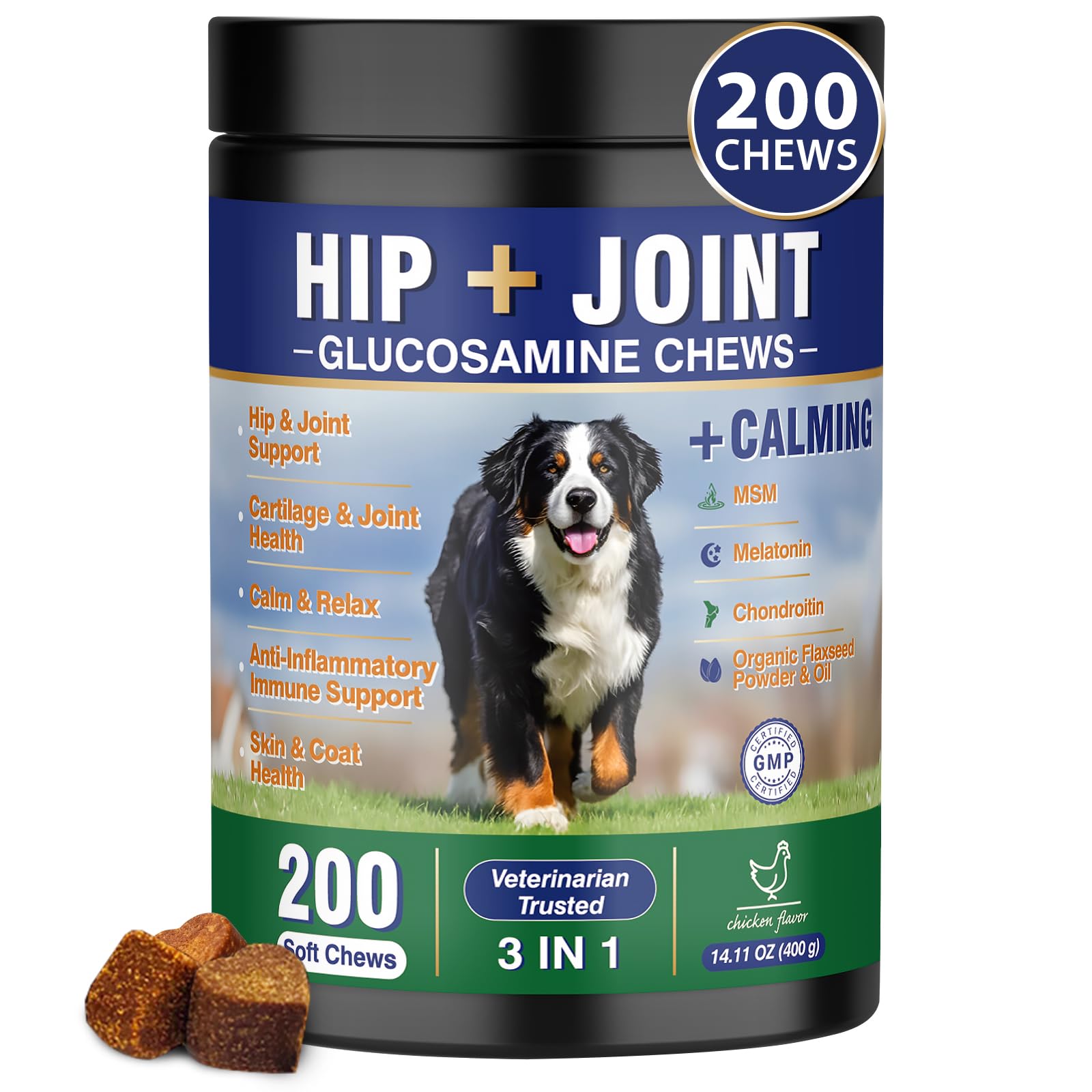
The Tciika Hip & Joint Chews provide a blend of glucosamine, chondroitin, MSM, turmeric, and omega‑3 fatty acids. These ingredients support cartilage synthesis, reduce inflammatory mediators, and improve joint lubrication. The chews also contain calming botanicals such as chamomile and melatonin, which can alleviate anxiety associated with pain. With a rating of 4.6 out of 5 stars from 289 reviews, owners report noticeable improvements in flexibility after four weeks of daily use. Each bottle contains 200 chicken‑flavored chews, making dosing simple for dogs of any size.
Omega‑3 Fish Oil
The Natural Dog Co. Salmon Oil supplies EPA and DHA, essential fatty acids that modulate inflammation at the cellular level. Regular supplementation can enhance skin barrier function, promote a glossy coat, and support cardiovascular health, all of which contribute to an active lifestyle in senior dogs. This product holds a 4.6‑star rating from 13,649 reviewers and is delivered in a 16‑oz bottle with a convenient pump for accurate dosing based on the dog’s weight.
Comparison and Selection Guide
Choosing the appropriate supplement depends on the dog’s specific needs, dietary preferences, and any existing medical conditions. The table below compares the two featured products across key criteria.
| Feature | Tciika Hip & Joint Chews | Natural Dog Co. Salmon Oil |
|---|---|---|
| Primary Benefit | Joint cartilage support and pain relief | Systemic anti‑inflammatory support and skin health |
| Key Ingredients | Glucosamine, chondroitin, MSM, turmeric, omega‑3, melatonin | EPA, DHA, natural salmon and pollock oil |
| Form | Chewable tablet (200 count) | Liquid oil with pump dispenser |
| Dosage Flexibility | One chew per day for most dogs; adjust for size | 1‑3 pumps per day based on weight |
| Price (USD) | $17.99 | $28.95 |
| Customer Rating | 4.6/5 (289 reviews) | 4.6/5 (13,649 reviews) |
| Best For | Dogs with diagnosed arthritis or joint stiffness | Dogs needing overall anti‑inflammatory support and coat health |
Owners of dogs with pronounced joint pain may prioritize the chews for targeted cartilage support, while those seeking a broader wellness boost may find the salmon oil more appropriate. In many cases, a combined regimen provides synergistic benefits, but veterinary guidance is essential to avoid excessive omega‑3 intake.
Best Practices and Tips for Ongoing Mobility Management
Beyond product selection, owners should adopt lifestyle modifications that reinforce joint health. The following recommendations are grounded in current veterinary literature:
- Maintain an optimal body condition score; excess weight increases joint load by up to 20 %.
- Engage in low‑impact exercise such as short leash walks on grass or controlled swimming sessions.
- Provide orthopaedic bedding that distributes pressure evenly across the spine and hips.
- Use non‑slippery floor mats to prevent sudden slips that could exacerbate injuries.
- Schedule regular telehealth follow‑ups every 4‑6 weeks to monitor progress and adjust supplement dosages.
Documenting daily activity levels in a simple log can help the veterinarian identify patterns and intervene early. Owners should also be vigilant for signs of adverse reactions, such as gastrointestinal upset, and report them promptly.
Frequently Asked Questions
- Can telehealth replace an in‑person orthopedic exam? Telehealth provides valuable visual and historical data, but it cannot substitute for tactile joint manipulation or radiographic imaging when severe pathology is suspected.
- How long does it take to see results from joint chews? Most owners report measurable improvement in flexibility and reduced stiffness within 3‑4 weeks of consistent daily administration.
- Is it safe to give both the chews and salmon oil simultaneously? Yes, when dosed according to label instructions; however, consultation with a veterinarian ensures that total omega‑3 intake remains within safe limits.
- What signs indicate that a senior dog’s mobility is worsening? Increased reluctance to climb stairs, prolonged lying periods, vocalization during movement, and visible limping are red flags that warrant veterinary review.
- Do these supplements have any drug interactions? Both products are generally well‑tolerated, but they may potentiate the effects of non‑steroidal anti‑inflammatory drugs (NSAIDs); veterinary oversight is recommended.
- How often should joint supplements be administered? Daily administration is advised for continuous cartilage support; discontinuation may result in a return of symptoms.
- Can I use these products for a dog with a known fish allergy? The chews contain chicken flavor and do not include fish; the salmon oil should be avoided in dogs with fish hypersensitivity.
Conclusion
Veterinary telehealth has transformed the evaluation of senior canine mobility by offering convenient, real‑time assessments that complement traditional care. By following the structured checklist, documenting observations, and incorporating scientifically supported nutraceuticals, owners can significantly improve their dog’s quality of life. Ongoing communication with a veterinarian ensures that interventions remain safe, effective, and tailored to the individual animal’s needs.
Products Featured in This Guide
Tciika Hip & Joint Chews
Price: $17.99 | Rating: 4.6/5 (289 reviews)
Featured because it delivers glucosamine, chondroitin, MSM, turmeric, and calming botanicals that directly address joint pain, stiffness, and anxiety in senior dogs.
Natural Dog Co. Salmon Oil
Price: $28.95 | Rating: 4.6/5 (13,649 reviews)
Featured because its high EPA and DHA content provides systemic anti‑inflammatory benefits, supporting joint health, skin condition, and overall vitality.